
Beautiful Plants For Your Interior
Beautiful Plants For Your Interior
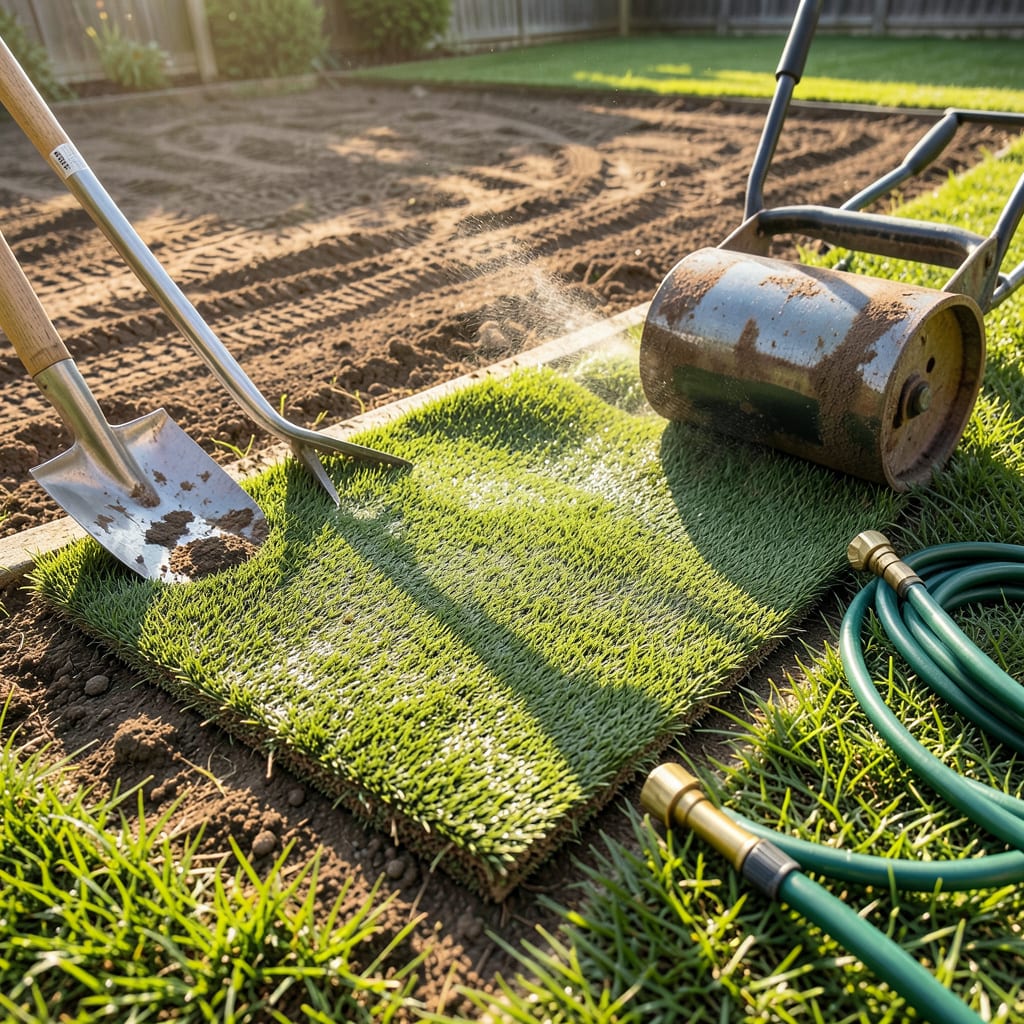
Timing your zoysia sod planting in Georgia can mean the difference between a patchy, struggling lawn and a thick, vibrant carpet of grass. The state’s humid subtropical climate brings unique challenges—plant too early, and late frosts might ruin your investment; wait too long, and summer drought could stress your new sod.
After helping dozens of Georgia homeowners nail their lawn timing, I’ve pinpointed the ideal window—when soil temps hit that critical 70°F mark and frost risks vanish. Let’s break down the exact months for your region, plus the prep steps that’ll ensure your zoysia thrives from day one.
If you’re dreaming of a thick, green zoysia lawn in Georgia, timing your sod installation is the secret to success. Georgia’s diverse climate—from the cooler North Georgia mountains to the balmy coastal plains—means the ideal planting window shifts slightly by region. I’ll break down the best months for each zone so you don’t waste a dime on sod that struggles to root.
Zoysia is a warm-season grass, which means it thrives when soil temperatures hit 65°F or higher. Plant too early in chilly spring soil, and the roots won’t establish; plant too late in fall, and frost could shock your new lawn. In Georgia, that sweet spot typically falls between late April and early July, but let’s get region-specific.
| Georgia Region | USDA Zones | Ideal Planting Months | Soil Temp Threshold | Notes |
|---|---|---|---|---|
| North Georgia (Atlanta, Dahlonega) |
7a–7b | May–June | 65°F+ | Wait until after last frost (April 15). Cooler springs mean slower rooting—avoid March plantings. |
| Central Georgia (Macon, Columbus) |
8a–8b | April–June | 70°F+ | Earlier planting possible here. Late April is ideal for fast establishment before summer heat. |
| Coastal Georgia (Savannah, Brunswick) |
8b–9a | March–May | 75°F+ | Mild winters allow early spring planting. Avoid July—humidity + heat stress new sod. |
In North Georgia, I’d caution against planting before May 1. The risk of a late frost (yes, even in Atlanta!) can stunt root growth. Central Georgia gardeners have more flexibility—mid-April to early June is prime time, as soil warms faster here. Down on the coast? You’re lucky: March plantings often work, but skip the peak of summer (July–August) when heat and humidity make it tough for sod to settle.
Here’s a pro tip: Check your soil temperature before ordering sod. Use a cheap soil thermometer (or ask your local extension office for readings). If it’s consistently below 65°F at 2-inch depth, hold off. Zoysia roots won’t grow in cold soil, and you’ll end up with a lawn that looks great for a week—then turns brown as it fails to establish.
What if you miss the spring window? Early fall (September–October) can work in Central and Coastal Georgia, but it’s riskier. The sod needs 6–8 weeks to root before the first frost. In North Georgia, fall plantings are a gamble—stick to spring unless you’re prepared to babysit your lawn with extra water and frost blankets.
Don’t forget soil prep! A week before your sod arrives, till the top 4–6 inches of soil and amend with compost if your dirt is heavy clay (common in Georgia). Aim for a slightly acidic pH (6.0–6.5)—zoysia hates alkaline soil. Test kits are $10 at any garden center and save you headaches later.
Once your sod is down, watering is critical. For the first two weeks, soak it daily with ½ inch of water (use a rain gauge to measure). After that, taper to every other day. Avoid evening watering—Georgia’s humidity encourages fungal diseases like brown patch if grass stays wet overnight.
If you’re torn between sod and seed, remember: zoysia seed is slow to establish (think 2–3 months vs. 2–3 weeks for sod). In Georgia’s long, hot summers, sod gives you an instant lawn that can handle drought and foot traffic faster. Plus, sod chokes out weeds immediately—seed leaves your soil vulnerable to crabgrass and nutsedge while it germinates.
Finally, choose the right zoysia variety for Georgia. Empire Zoysia handles heat and drought well, making it a top pick for most of the state. Meyer Zoysia (also called Z-52) is cold-hardier, ideal for North Georgia. Zeon Zoysia is finer-textured and shade-tolerant, great for yards with dappled sunlight. Your local sod farm can advise based on your exact location.
Mark your calendar: late spring is zoysia time in Georgia. Plant it right, and you’ll have a lawn so tough it laughs at summer droughts—and so lush your neighbors will ask for your secret. Just don’t tell them how easy it was! 🌱
Planting zoysia sod in Georgia seems straightforward—until you make one of these costly errors. I’ve seen too many homeowners waste hundreds on sod that turns brown within weeks. The good news? These mistakes are 100% preventable if you know what to watch for.
First up: planting at the wrong time. Zoysia is a warm-season grass, but that doesn’t mean you can toss it down anytime it’s warm. Plant too early in spring (before soil hits 65°F), and the roots won’t grow. Plant too late in fall (after September 15 in North Georgia), and frost will kill it before it establishes.
Another big one: ignoring soil prep. Georgia’s notorious red clay soil is a zoysia killer if you don’t amend it. Before sod arrives, till the top 6 inches and mix in 2–3 inches of compost. This improves drainage and gives roots a fighting chance. Skip this step, and you’ll end up with sod that looks great for a week—then turns crispy as roots drown in compacted clay.
Overwatering is a silent lawn assassin. Yes, zoysia needs daily watering for the first 2 weeks (½ inch per day), but after that, back off. Too much water in Georgia’s humid summers invites fungal diseases like brown patch. Use a rain gauge to measure—don’t guess! Water deeply 2–3 times per week after establishment, always in the early morning.
Here’s a mistake I see all the time: choosing the wrong zoysia variety. Not all zoysia is created equal! Meyer Zoysia (Z-52) handles North Georgia’s cooler winters, while Empire Zoysia thrives in the Coastal Plain’s heat. Zeon Zoysia is ideal for shady yards (common in Atlanta’s tree-lined neighborhoods). Ask your sod supplier which variety they’re delivering—and double-check it’s right for your zone.
Finally, don’t walk on new sod for at least 3 weeks. I know it’s tempting to show off your fresh lawn, but foot traffic compacts the soil and tears delicate new roots. If you must cross the lawn, lay down plywood boards to distribute weight. Pets? Keep them off too—urine spots and paw prints can damage young zoysia before it’s fully rooted.
If you’ve already made one of these mistakes, don’t panic. For cold-soil planting, cover the sod with a light frost blanket at night. If you skipped soil prep, aerate and top-dress with compost ASAP. Overwatered? Let the lawn dry out slightly between waterings and apply a fungicide if you spot brown patches. With quick action, most zoysia sod can recover—if you catch the problem early! 🌱
When establishing a zoysia lawn in Georgia, you’ve got two options: sod or seed. While seed might seem cheaper upfront, I’ve found sod is almost always the smarter choice for Georgia’s climate. Let’s compare the pros and cons so you can decide what’s best for your yard—and your patience level.
Sod gives you an instant lawn that’s ready for light use in just 2–3 weeks. In Georgia’s long, hot summers, that’s a game-changer. Seed, on the other hand, can take 2–3 months to fill in. During that time, weeds like crabgrass and nutsedge will invade your bare soil, and you’ll spend more on herbicides than you saved on seed.
If you’re leaning toward seed, timing is everything. In Georgia, plant zoysia seed in late spring (May–June) when soil temps hit 70°F+. Avoid fall seeding—cool nights slow germination, and frost can kill young sprouts. For sod, you’ve got more flexibility: April–July works statewide, with earlier plantings in Coastal Georgia.
Cost is often the deciding factor. Sod runs $2–$4 per square foot installed, while seed costs $0.50–$1 per square foot. But here’s the catch: seed requires more water, herbicides, and patience. I’ve seen homeowners spend less on seed upfront, only to dump hundreds into weed control and extra watering. Sod’s higher initial cost often pays off in less maintenance and faster results.
For Georgia’s climate, I recommend sod for most homeowners—especially if you’ve got kids, pets, or slopes. The instant gratification and weed resistance are worth it. If you’re set on seed, opt for coated zoysia seed (better germination) and plan to overseed by 25% to account for Georgia’s challenging conditions. Either way, soil prep is key: till, amend with compost, and level the area before planting.
Whichever route you choose, watering is critical for the first few weeks. Sod needs ½ inch daily for 14 days, then tapering off. Seed requires light, frequent watering (2–3 times daily) to keep the topsoil moist until germination. In Georgia’s heat, that often means setting up sprinklers or soaker hoses on timers. Skip this step, and your investment—whether sod or seed—will dry out and die.
Zoysia sod thrives when soil temps reach 65°F or higher. In Georgia, this typically happens between late April and early July, depending on your region. Use a soil thermometer to check—planting in colder soil risks poor root growth.
Fall planting is possible in Central and Coastal Georgia (September–October), but it’s riskier. The sod needs 6–8 weeks to root before frost. In North Georgia, stick to spring—fall frosts often arrive too soon for proper establishment.
Water daily with ½ inch of water for the first two weeks. After that, taper to every other day. Always water in the early morning to avoid fungal diseases—Georgia’s humidity makes evening watering risky.
Empire Zoysia handles heat and drought well, making it ideal for most of the state. For North Georgia’s cooler winters, Meyer Zoysia (Z-52) is hardier. Zeon Zoysia is best for shady yards. Check with local suppliers for availability.
Sod gives you an instant lawn in 2–3 weeks, while seed takes 2–3 months and struggles with weeds. In Georgia’s heat, sod’s faster establishment and weed resistance often justify the higher cost. Seed works for small repairs but requires more patience.
