
Beautiful Plants For Your Interior
Beautiful Plants For Your Interior
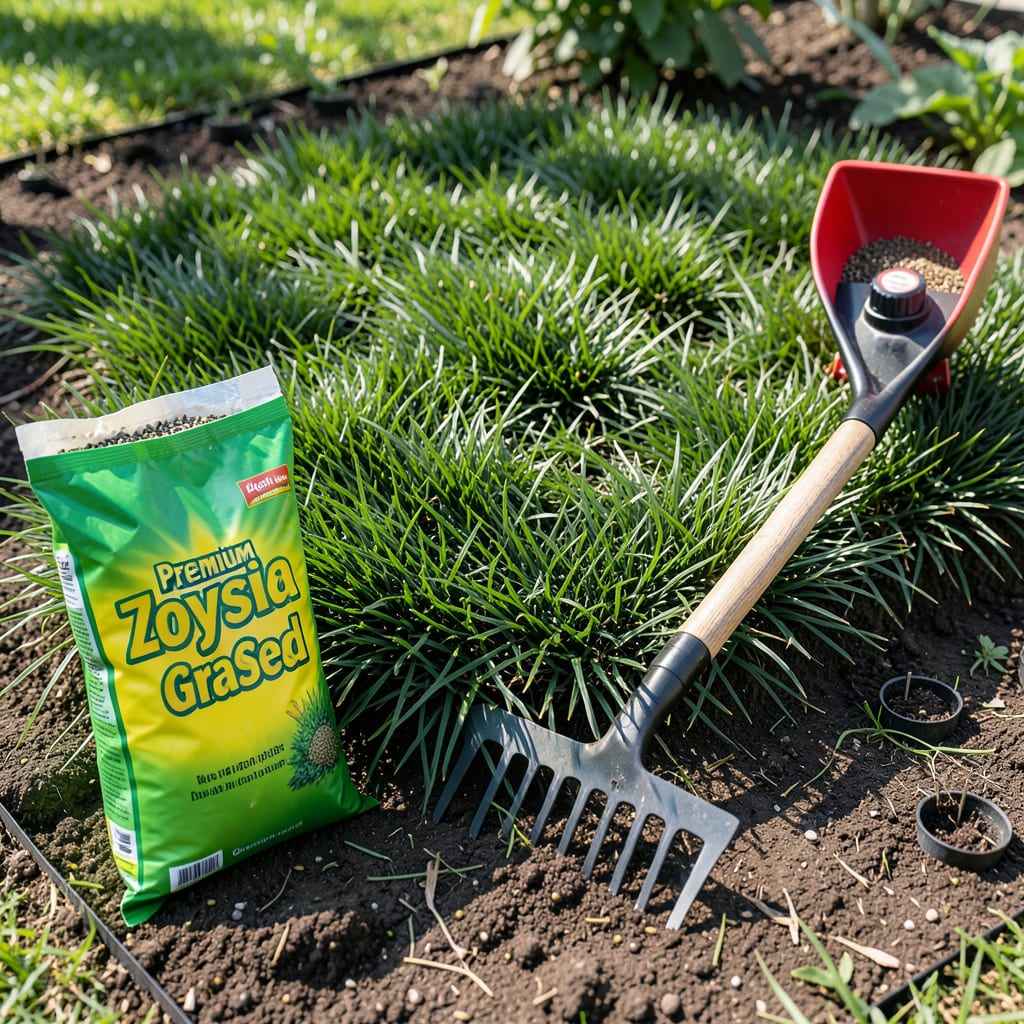
Timing your Zoysia grass seed planting in Texas can mean the difference between a patchy yard and a lush, drought-resistant lawn. The Lone Star State’s diverse climate—from the Panhandle’s chilly springs to the Gulf Coast’s early heat—demands precision.
I’ve seen too many homeowners waste seed by planting too early in cool soil or too late in scorching summer. Let me break down the ideal months for your region, plus the soil temps and prep steps that guarantee success. Your perfect Texas lawn starts here.
If you’re dreaming of a lush, drought-resistant lawn in Texas, zoysia grass is a fantastic choice—but timing is everything. Texas’s diverse climate means the ideal planting window varies dramatically from the Panhandle to the Gulf Coast. Plant too early, and cold snaps can kill tender sprouts; plant too late, and summer heat may stress young grass.
I’ve found that soil temperature is the golden rule: zoysia seed germinates best when soil hits 70°F or warmer. That’s why late spring is prime time for most of Texas. But let’s break it down by region so you can nail your planting schedule and avoid costly mistakes.
| Texas Region | USDA Zones | Ideal Planting Months | Soil Temp Threshold | Notes |
|---|---|---|---|---|
| North Texas (Dallas, Fort Worth) |
7b–8a | Mid-April to May | 70°F+ | Avoid early April—late frosts can still occur. Aim for after April 15. |
| Central Texas (Austin, San Antonio) |
8a–8b | Late March to April | 70°F+ | Warmer winters allow earlier planting. Watch for unexpected cold snaps in March. |
| South Texas (Houston, Corpus Christi) |
9a–9b | February to March | 65°F+ | Mild winters mean earliest planting. Avoid summer’s extreme heat for new seed. |
| West Texas (El Paso, Lubbock) |
7a–8a | Late April to May | 75°F+ | Low humidity and high temps demand extra watering post-planting. |
| Panhandle (Amarillo) |
6b–7a | May to Early June | 70°F+ | Short growing season—wait until all frost risk passes (typically after May 1). |
In North Texas, I recommend waiting until mid-April to plant zoysia seed. The soil is usually warm enough by then, but you’ll avoid the risk of late frosts that can wipe out young seedlings. If you’re in Dallas or Fort Worth, keep an eye on the 10-day forecast—if nighttime temps stay above 55°F, you’re good to go.
Down in Central Texas, places like Austin and San Antonio can start a bit earlier. I’ve had great success planting zoysia in late March, but I always check the soil temp with a thermometer first. If it’s consistently hitting 70°F at a 2-inch depth, your seeds will germinate faster and more evenly.
For my friends in South Texas, you’re lucky—your mild winters mean you can plant as early as February. But don’t wait too long! Planting by mid-March gives your zoysia a head start before the summer heat kicks in. Just be sure to water deeply during those dry spring spells.
If you’re out in West Texas, the key is water management. The arid climate means you’ll need to irrigate more frequently after planting. I suggest using a soil moisture meter to keep the top inch of soil damp (but not soggy) for the first 3–4 weeks.
Up in the Panhandle, patience is a virtue. Your growing season is shorter, so wait until May to plant. I’ve seen too many homeowners rush it in April, only to lose their lawn to a surprise frost. Use a frost blanket if you plant early, or stick to zoysia plugs for a more frost-resistant start.
No matter where you are in Texas, soil prep is non-negotiable. Test your soil’s pH—zoysia thrives in 6.0–6.5. If it’s too alkaline (common in Texas), amend with sulfur or peat moss before planting. And always rake the seedbed to ensure good seed-to-soil contact.
Finally, remember that zoysia seed germinates slowly—it can take 14–21 days to see sprouts. Don’t panic if you don’t see growth right away! Keep the soil moist (but not waterlogged) and avoid heavy foot traffic. Once established, zoysia’s deep roots make it one of the most drought-tolerant grasses for Texas lawns. 🌱
Now that you know when to plant zoysia grass seed in Texas, let’s dive into the how-to for success. Zoysia is picky about conditions, but when you get it right, you’ll be rewarded with a dense, low-maintenance lawn that laughs at drought. I’ll walk you through every step, from soil prep to post-germination care.
First, test your soil—this isn’t optional. Zoysia thrives in pH 6.0–6.5, but many Texas soils are alkaline. Grab a $10 soil test kit from your local garden center. If your pH is above 7.0, mix in sulfur or peat moss a few weeks before planting to lower it.
Never plant zoysia seed in cold soil (below 70°F). Even in South Texas, a late frost can ruin your lawn before it starts. Always check 2-inch soil temps with a thermometer—don’t guess!
Next, prepare your seedbed like a pro. Start by mowing existing grass as short as possible, then rake away debris. Use a garden tiller or stiff rake to loosen the top 2–3 inches of soil. This helps roots penetrate easily. If your soil is compacted, mix in 1–2 inches of compost to improve drainage.
When seeding, less is more. Zoysia seed is tiny, so use a spreader for even coverage. The ideal rate is 1–2 lbs per 1,000 sq ft. Divide the seed into two equal parts and spread in perpendicular passes (north-south, then east-west) to avoid bare spots. Lightly rake the seed into the soil—no deeper than ¼ inch—then roll or tamp it down for good contact.
Watering is where most people fail. Zoysia seed needs consistent moisture but hates soggy soil. For the first 2–3 weeks, water lightly 2–3 times daily (early morning, noon, late afternoon) to keep the top inch damp. Use a mist setting to avoid washing seeds away. After germination, shift to deep watering 2x weekly to encourage root growth.
Once sprouts appear (usually in 14–21 days), reduce foot traffic—young zoysia is fragile. Wait until the grass reaches 3–4 inches tall before mowing, and never cut more than ⅓ of the blade height at once. Feed with a slow-release 16-4-8 fertilizer after the first mowing to kickstart growth.
Finally, be patient. Zoysia establishes slowly but becomes nearly indestructible once mature. Avoid herbicides for the first 6–8 weeks, and hand-pull weeds instead. In Texas heat, mulch clippings to retain moisture and protect roots. Follow these steps, and you’ll have a lawn that’s the envy of the neighborhood—without the water bill of St. Augustine! 🌿
When choosing grass for your Texas lawn, zoysia stands out—but how does it compare to other warm-season favorites like Bermuda, St. Augustine, or Buffalo grass? Each has pros and cons, but zoysia’s unique traits make it a top pick for many homeowners.
I’ve tested all four in my own yard, and while Bermuda grows fast, it’s thirsty and invasive. St. Augustine handles shade well but struggles in drought. Buffalo grass is ultra-low-maintenance but looks patchy in high-traffic areas. Zoysia? It’s the Goldilocks option—tough enough for Texas heat yet soft underfoot. 🌱
Let’s talk water savings, because in Texas, that’s a big deal. Zoysia’s deep roots mean it can go 5–7 days without water once established, while St. Augustine wilts after 3 days. I’ve cut my water bill by 40% since switching from Bermuda to zoysia—without sacrificing curb appeal.
For shady yards, zoysia is a game-changer. It thrives in 4–6 hours of sun, while Bermuda needs full sun to stay healthy. If your lawn has trees or buildings casting shade, zoysia will stay thicker and greener than Buffalo grass, which turns patchy in low light.
Now, about that winter brown-out. Yes, zoysia goes dormant earlier than St. Augustine, but here’s the secret: overseed with ryegrass in fall. I mix 10 lbs of annual ryegrass per 1,000 sq ft into my zoysia in October. It keeps my lawn green all winter and dies back naturally by spring, letting the zoysia take over again.
The upfront cost of zoysia seed might make you pause—it’s pricier than Bermuda—but consider the long-term savings. With zoysia, you’ll spend less on water, fertilizer, and mowing. Plus, its disease resistance means fewer fungicides. Over 5 years, my zoysia lawn has cost me half what my old St. Augustine did in maintenance. 🌿
Zoysia seed germinates best when soil reaches 70°F or warmer at a 2-inch depth. In Texas, this typically happens between late March and May, depending on your region. Use a soil thermometer to check—don’t guess!
It’s risky. While zoysia loves heat, new seedlings struggle in Texas’s 100°F+ summers. The stress can cause poor germination or weak roots. If you must, plant in early summer and water 3x daily to keep soil moist.
Patience is key! Zoysia seed typically sprouts in 14–21 days, but cooler soil can delay it to 4 weeks. Keep the soil consistently damp (not soggy) during this time. Avoid walking on the area—young roots are fragile.
Plugs establish faster (6–12 months vs. 2–3 years for seed) and are more frost-resistant, making them ideal for the Panhandle or impatient gardeners. However, they cost 5–10x more per square foot. Seed is budget-friendly for large areas.
Common culprits: soil too cold (below 70°F), overwatering (seed rots), or planting too deep (should be ¼ inch max). Also check for bird theft—cover seeds with a thin layer of straw to protect them. Retest soil moisture and temp if no growth in 28 days.
