
Beautiful Plants For Your Interior
Beautiful Plants For Your Interior
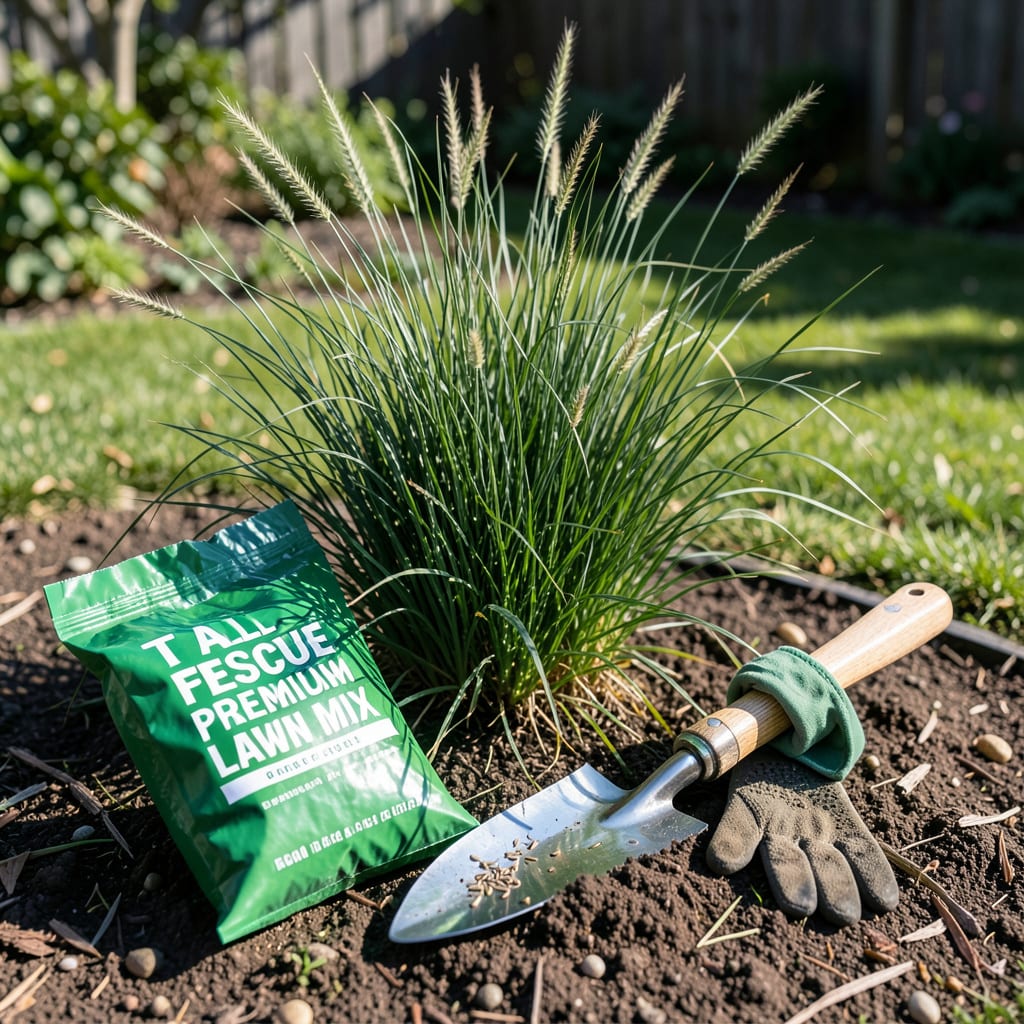
Phoenix homeowners know the struggle: one day your lawn is crispy from summer heat, the next you’re dreaming of that perfect green winter grass. But timing is everything in our desert climate—plant too soon and your seeds will fry, wait too long and they’ll struggle to establish.
I’ve helped dozens of neighbors nail the perfect planting window, and the secret isn’t just about dates—it’s about watching those soil temperatures. Let me show you exactly when to plant for a lawn that’ll make your HOA jealous, plus the 3 critical prep steps most people skip.
If you’re dreaming of a lush green lawn this winter, timing your grass planting is absolutely critical in Phoenix. Our desert climate throws unique challenges at gardeners, with scorching summers that linger and occasional early frosts that can catch you off guard. I’ve seen too many lawns struggle because seeds were planted too early or too late.
The sweet spot for planting winter ryegrass in Phoenix is when soil temperatures drop below 75°F—typically between mid-September and mid-October. This window ensures seeds germinate before the first frost while avoiding the brutal summer heat that can fry tender new sprouts. 🌱
💡 Pro Tip: Use a soil thermometer to check temps at 2-inch depth—this is where seeds germinate!
I always recommend aiming for the last two weeks of September as your prime planting window. This gives your grass 4-6 weeks to establish strong roots before Phoenix’s occasional December freezes. If you miss this window, you can still plant in early October, but you’ll need to be extra diligent with watering.
Remember that Phoenix’s microclimates can vary dramatically. If you’re in higher elevations like North Phoenix or Cave Creek, you might need to plant 1-2 weeks earlier than folks in the valley. The key is watching those soil temperatures, not just calendar dates.
For those overseeding bermudagrass lawns, I suggest scalping your lawn 2 weeks before planting your winter grass. This removes thatch and lets sunlight reach the soil, giving your new seeds the best chance. Just be sure to water deeply after scalping to reduce stress on your existing grass.
Watering is crucial in those first 10-14 days after planting. You want to keep the soil consistently moist but not soggy—think light sprinklings 2-3 times daily for short durations. Once seeds germinate (usually within 7-10 days), you can reduce to daily deep watering.
One mistake I see often is planting too early when monsoon season is still active. Those heavy rains can wash away seeds or create puddles that drown young sprouts. Wait until after September 15 when our rainy season typically ends to avoid this headache.
If you’re using perennial ryegrass, you’ll get better cold tolerance but may need more frequent mowing. Annual ryegrass germinates faster but won’t last as long. For Phoenix lawns, I often recommend a 50/50 blend to balance quick establishment with durability through our mild winters.
Don’t forget about soil prep—Phoenix’s alkaline soil can be tough on new grass. A week before planting, I like to aerate the lawn and top-dress with 1/4 inch of compost. This improves water retention and gives seeds the nutrients they need to thrive in our challenging soil conditions. 🌿
Now that you know the perfect timing, let’s dive into the practical steps for planting winter ryegrass in Phoenix. I’ve found that proper soil preparation makes all the difference between a patchy lawn and a lush green carpet. Start by mowing your existing lawn as short as possible—this is called scalping and it’s crucial for good seed-to-soil contact.
The next step is aerating your lawn, which I recommend doing about 1 week before planting. This creates small holes for seeds to nestle into and helps water penetrate our compacted desert soil. For Phoenix lawns, I prefer core aeration over spike aeration because it removes actual soil plugs, giving your new grass better growing conditions. 🌱
Mow bermudagrass to 1/2 inch height to expose soil and remove competition.
Use core aerator to create 2-3 inch deep holes every 3-4 inches across lawn.
Use 10-10-10 fertilizer at half strength to avoid burning tender new roots.
Use broadcast spreader at 8-10 lbs per 1,000 sq ft for even coverage.
Cover seeds with 1/4 inch compost to protect from birds and retain moisture.
Begin light watering 2-3x daily for 5-10 minutes until germination (7-10 days).
⏰ Timing Tip: Complete all steps by noon to prevent seeds from drying out in afternoon heat.
When selecting your ryegrass seed, I recommend choosing a Phoenix-adapted blend from local nurseries. These blends often include drought-tolerant varieties that handle our alkaline soil better than generic mixes. For most homeowners, a 70/30 mix of perennial to annual ryegrass gives the best balance of durability and quick establishment.
Watering is where I see most people struggle. During the first 2 weeks, you’ll want to keep the soil surface moist but not waterlogged. Set your sprinklers for short cycles (5-10 minutes) 3 times daily—early morning, midday, and late afternoon. Once you see sprouts (usually within 7-10 days), switch to daily deep watering of about 20 minutes per zone.
For fertilization, I use a slow-release nitrogen fertilizer about 4 weeks after planting. This gives the young grass time to establish roots before pushing top growth. Avoid high-nitrogen fertilizers early on—they can burn tender seedlings. Instead, look for a balanced 10-10-10 ratio and apply at half the recommended strength for the first application.
One common mistake is mowing too soon. Wait until your new grass reaches 3-4 inches tall before the first cut, and never remove more than 1/
Choosing the right winter grass for Phoenix isn’t just about timing—it’s about selecting varieties that can handle our alkaline soil, intense sun, and temperature swings. After testing different types in my own yard, I’ve found that not all winter grasses perform equally in our desert climate. 🌿
The most popular choice is perennial ryegrass, which offers excellent cold tolerance and durability. However, it requires more frequent mowing and water than some alternatives. For those wanting lower maintenance, annual ryegrass germinates quickly but won’t last through multiple seasons like its perennial cousin.
💡 Local Tip: Many Phoenix nurseries sell custom blends with 70% perennial and 30% annual ryegrass for the best balance of durability and quick establishment.
For shaded areas, I recommend considering tall fescue blends. While not as common for overseeding, tall fescue handles Phoenix’s partial shade better than ryegrass and has deeper roots for drought resistance. The trade-off is slower germination and coarser texture, but it’s worth it for problematic shaded spots. ☀️
If you’re dealing with high-traffic areas, look for ryegrass varieties labeled as ‘turf-type’. These have been bred for better wear tolerance and faster recovery. I’ve had great success with ‘Pennfine’ and ‘Manhattan 4’ perennial ryegrass in my backyard where the kids play frequently.
Don’t overlook soil compatibility when choosing your grass. Phoenix’s alkaline soil can cause iron chlorosis in some varieties. I always recommend adding chelated iron to your fertilizer regimen, especially for the first few months after planting. This keeps your lawn that vibrant green color we all love.
For those wanting to experiment, fine fescue is gaining popularity in Phoenix for its low water needs and shade tolerance. While it establishes more slowly than ryegrass, it requires about 30% less water once established—perfect for our conservation-minded climate. Just be prepared for a slightly different texture underfoot. 💧
Planting before mid-September risks seed failure due to Phoenix’s lingering summer heat. Soil temps above 80°F can prevent germination or fry tender sprouts. Wait until soil cools below 75°F at 2-inch depth for best results.
Keep soil consistently moist but not soggy for the first 10-14 days. Water 2-3 times daily in short 5-10 minute cycles. After germination, switch to daily deep watering of about 20 minutes per zone.
Many Phoenix nurseries recommend a 70/30 blend of perennial to annual ryegrass. This combines the durability of perennial with the quick establishment of annual varieties. Just ensure even distribution when seeding.
Uneven growth often stems from poor seed distribution or inconsistent watering. Use a broadcast spreader for even coverage and check for clogged sprinkler heads. Shady spots may need tall fescue blends instead of ryegrass.
Wait 4 weeks after planting before fertilizing. Use a balanced 10-10-10 at half strength initially. Avoid high-nitrogen fertilizers early—they can burn tender seedlings. Apply chelated iron if yellowing occurs from alkaline soil.
