
Beautiful Plants For Your Interior
Beautiful Plants For Your Interior
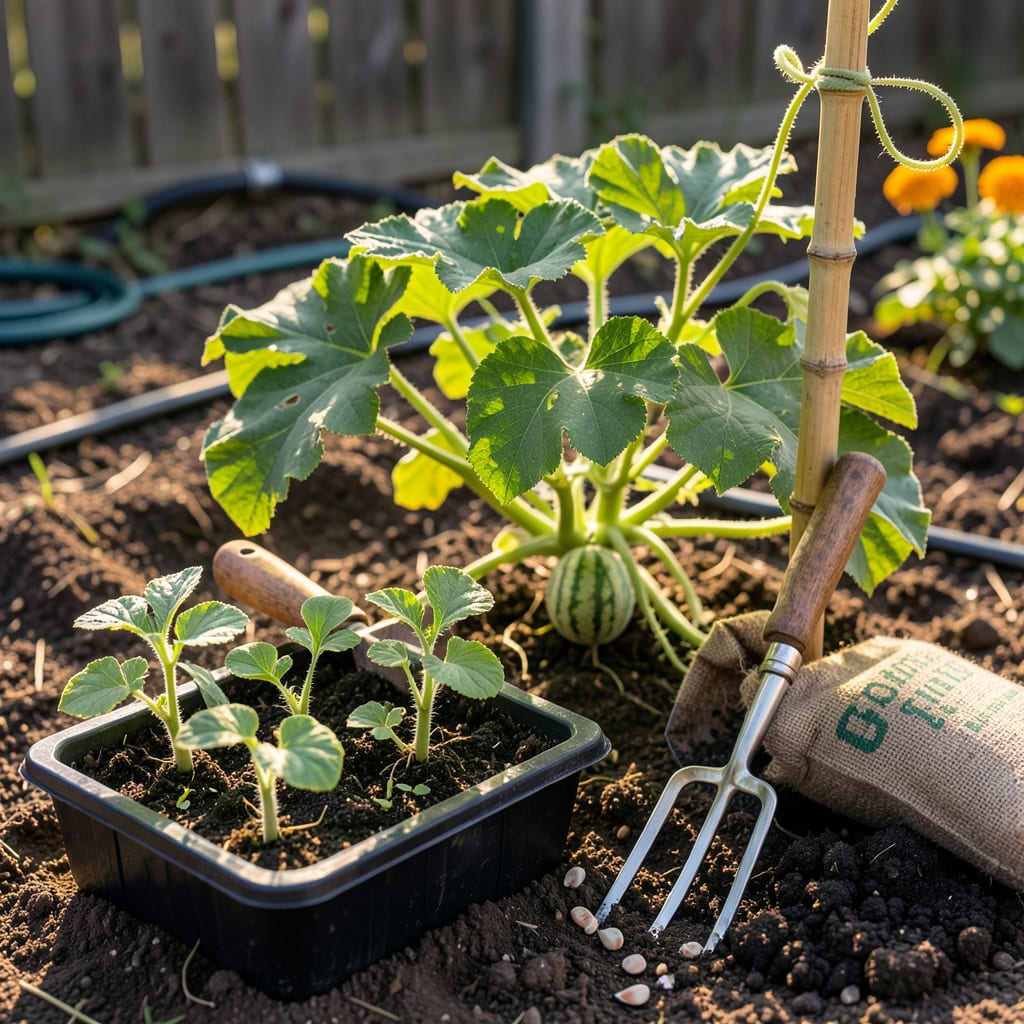
Houston’s blazing summers don’t have to sabotage your 🍉 dreams—planting at the right time is your secret weapon. In our humid, heat-drenched climate, even a week’s difference can mean the difference between a thriving vine and a disappointing harvest.
I’ve tested the timing myself, and what I’ll share will save you months of trial and error. We’ll cover the exact window for Zone 9a, how to prep your soil for success, and why Houston’s microclimates can work in your favor. Let’s get those vines growing.
If you’ve ever bitten into a homegrown watermelon, you know it’s worth the effort—but Houston’s hot, humid climate demands precise timing. As a USDA Zone 9a region, we enjoy a long growing season, but soil temperature and last frost dates still dictate success. Plant too early, and cold snaps stunt growth; too late, and summer’s 100°F+ heat stresses vines before fruiting.
Here’s the golden rule: Wait until soil reaches 70°F—typically late February to early April for spring planting. Houston’s last average frost is around February 15, but I always check the 10-day forecast for unexpected dips. Fall planting? Aim for late August to early September to avoid peak summer scorchers.
| Season | Ideal Dates | Soil Temp | Days to Harvest |
|---|---|---|---|
| Spring | Late Feb–April | 70°F+ | 80–100 days |
| Fall | Late Aug–Sept | 75°F+ | 75–90 days |
Pro Tip: Use a soil thermometer—don’t guess! Urban areas (like downtown) warm faster than suburbs.
Houston’s clay-heavy soil can be a challenge, but amending with compost or sand improves drainage. I’ve found raised beds warm up faster in spring, giving seeds a head start. If you’re planting in coastal areas (like Galveston), watch for salt spray—it can stunt young plants.
For spring planting, start seeds indoors 3–4 weeks before your planned outdoor date. Use peat pots to minimize transplant shock. Fall plantings skip this step—direct-sow seeds into warm soil. Either way, space vines 3–5 feet apart; they’ll spread like crazy!
Watermelons crave full sun (8+ hours), but Houston’s afternoon heat can scorch leaves. I use 30% shade cloth from 2–5 PM in July/August. Drip irrigation keeps roots moist without wetting foliage (a fungal disease risk in our humidity). Mulch with straw or grass clippings to retain moisture.
Variety matters! For Houston, I swear by ‘Crimson Sweet’ (classic, heat-tolerant) and ‘Sugar Baby’ (smaller, faster-maturing). Avoid giant varieties like ‘Carolina Cross’—our season’s too short for their 100+ day maturity. Check the seed packet for “disease-resistant” labels to fight powdery mildew.
Watch for squash vine borers—they’re brutal here. Wrap aluminum foil around stems at planting to deter egg-laying. Cucumber beetles? Try yellow sticky traps. And if leaves yellow between veins, it’s likely manganese deficiency—foliar spray fixes it fast.
Harvest timing varies by season. Spring-planted melons ripen in June–July, while fall plantings yield in October–November. Test ripeness by checking the tendril near the stem—if it’s brown and dry, your watermelon’s ready! Thump it too: a deep, hollow sound means sweet success.
Remember, Houston’s 300+ frost-free days give us a leg up, but heat stress is the real enemy. If temps hit 95°F+ for weeks, vines may drop flowers. Don’t panic—just keep soil moist and provide afternoon shade. Your patience will pay off with sweeter, juicier melons than any grocery store offering! ☀️🌱
Houston’s relentless summer heat and sticky humidity can turn watermelon vines into crispy critters—or worse, fruitless disappointments. But with a few localized tweaks, you can outsmart Mother Nature. I’ve learned the hard way that mulching isn’t optional here; it’s your first line of defense against moisture loss and soil temperature swings.
Start with a 3–4 inch layer of straw or shredded leaves around plants. This keeps roots cool and reduces evaporation by up to 30%. Avoid hay—it often harbors weed seeds that’ll compete with your vines. For extra heat protection, I lay down cardboard under mulch to block weeds and reflect sunlight away from roots.
Texas A&M Tip: Add 1 tbsp Epsom salt per plant at flowering to boost magnesium—critical for Houston’s sandy loam.
Watermelons are 92% water, so inconsistent moisture = bland, cracked fruit. I use a moisture meter ($10 at garden centers) to check soil at 4-inch depth. If it reads “dry,” it’s time to water—even if the surface looks damp. During heat waves, I add a soaker hose on a timer for 20 minutes every other day.
Houston’s humidity also means fungal parties on leaves. Combat this with neem oil sprays (mix 1 tbsp per gallon) every 10–14 days. Apply in early morning to avoid burning leaves. If you spot powdery mildew (white fuzzy patches), remove infected leaves immediately and spray with baking soda solution (1 tsp baking soda + 1 quart water + dash of soap).
Pests? Oh, we’ve got ‘em. Squash vine borers are public enemy #1. Wrap aluminum foil around stems at planting—it confuses egg-laying moths. For cucumber beetles, interplant with radishes (they repel beetles) or use yellow sticky traps. And if you see ants farming aphids on leaves, blast them off with water and apply diatomaceous earth at the base.
Here’s a Houston-specific fertilizer trick: Our soils often lack potassium and calcium. At planting, mix in 1 cup bone meal (for phosphorus) and ½ cup kelp meal (for potassium) per hill. When vines start running, side-dress with compost tea every 3 weeks. Avoid high-nitrogen fertilizers after flowering—they’ll give you lush vines but no fruit!
Finally, harvest timing changes with our seasons. Spring-planted melons ripen in June–July; fall plantings in October–November. Test ripeness by checking the ground spot (should be creamy yellow) and the tendril nearest the stem (brown = ready!). And here’s my secret: Harvest in the morning—melons are 10% sweeter when picked cool. Store uncut melons in a shady spot (not the fridge!) for up to 2 weeks. 🌱☀️
Houston gardeners face a unique dilemma: spring planting means battling rising heat, while fall planting races against shorter days. Both seasons work, but each has trade-offs. I’ve grown watermelons in both, and here’s what I’ve learned about maximizing yields in our Zone 9a climate.
Spring planting (late February–April) gives vines a longer growing window, but pest pressure is higher. Fall planting (late August–September) avoids peak heat but requires faster-maturing varieties. The key? Match your goals to the season’s strengths.
Texas A&M Tip: Fall-planted melons often have higher sugar content due to cooler nights—ideal for ‘Sugar Baby’ varieties.
For spring plantings, I recommend ‘Crimson Sweet’ or ‘Charleston Gray’—they handle heat well and produce 20–30 lb fruits. Fall calls for faster varieties like ‘Sugar Baby’ (75 days) or ‘Golden Midget’ (70 days). Both seasons benefit from black plastic mulch to warm soil early or retain heat late.
Pest pressure differs dramatically. Spring brings squash vine borers and cucumber beetles, while fall plantings face fewer borers but more aphids. I’ve found row covers work well in fall—remove them when flowers appear for pollination. Spring plantings need weekly pest patrols and neem oil sprays.
Flavor varies too! Spring melons grow fast in heat, often yielding lighter, waterier flesh. Fall’s cooler nights concentrate sugars, creating denser, sweeter fruit. If you love deep red, crisp texture, fall wins. For juicy, refreshing slices, spring’s your season. Either way, harvest in the morning for peak sweetness.
My verdict? Plant both seasons! Spring for big yields, fall for sweeter flavor. Use succession planting: start seeds indoors in late January for spring, direct-sow in late August for fall. With Houston’s 300-day growing season, you’ve got time for two crops—and double the watermelon joy! 🌱☀️
May is cutting it close for spring planting in Houston. While you can still plant, expect smaller yields due to summer heat stress. For best results, opt for fast-maturing varieties like ‘Sugar Baby’ (75 days) and provide afternoon shade.
Yes, but choose compact varieties like ‘Bush Sugar Baby’ and use containers at least 5 gallons deep. Ensure containers have drainage holes and place them in full sun. Container-grown melons need daily watering in Houston’s heat.
Check three signs: the tendril near the stem turns brown, the underside changes from white to creamy yellow, and the melon produces a hollow sound when thumped. Houston’s heat can speed ripening, so monitor closely!
Planting too early or too late! Houston’s last frost is around February 15, but soil must reach 70°F. Many rush to plant in January, only to lose seeds to cold snaps. Always use a soil thermometer—don’t guess!
Houston’s native bees and honeybees are essential for pollination. If you notice poor fruit set, hand-pollinate by transferring pollen with a small brush. Avoid pesticides during flowering to protect these helpers.
