
Beautiful Plants For Your Interior
Beautiful Plants For Your Interior
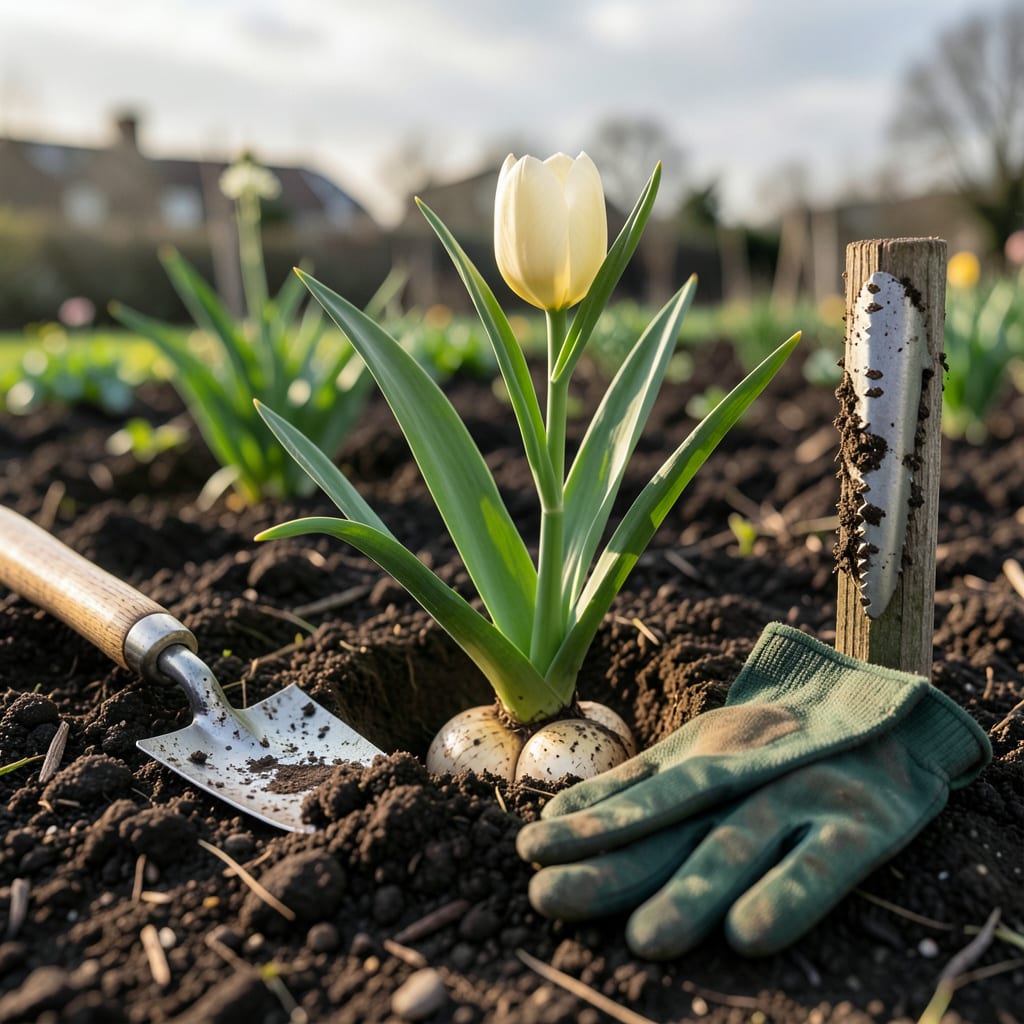
North Texas gardeners know the struggle: plant your 🌷 tulip bulbs too soon, and they’ll sprout before winter. Wait too long, and you’ll miss spring’s spectacular show. The difference between disappointment and breathtaking color? Just a few weeks.
After years of testing (and a few failed attempts), I’ve nailed the perfect window for Zone 8a’s unpredictable climate. Here’s exactly when to dig in—and how to outsmart Texas’ wild temperature swings. Let’s get those bulbs in the ground right.
If you’ve ever wondered why your tulip bulbs fizzle out before spring, timing is likely the culprit. North Texas’ USDA Zone 8a climate demands a precise window—plant too early, and bulbs may sprout before winter; too late, and roots won’t establish. The sweet spot? October through early December, when soil temps dip below 60°F.
Here’s the kicker: North Texas’ first frost date (around November 15) isn’t your only guide. You’ll want bulbs in the ground 6–8 weeks before that first frost to ensure roots develop before dormancy. That’s why mid-October to early November is ideal for most varieties like ‘Darwin Hybrid’ or ‘Fosteriana’ tulips.
Why does this window work? Tulip bulbs need 12–16 weeks of chilling (below 50°F) to bloom properly. North Texas’ mild winters often lack consistent cold, so planting early ensures bulbs get enough chill hours. I’ve found that ‘Red Emperor’ and ‘Pink Impression’ varieties thrive here because they’re more heat-tolerant.
Pro tip: If you’re planting in Dallas, Fort Worth, or Denton, watch for microclimates. Urban areas with heat islands (like downtown Dallas) may need bulbs planted 1–2 weeks later than rural spots. Always check your local soil temperature—not just the calendar!
What if you miss the window? Don’t panic. You can still plant bulbs up to Christmas if the ground isn’t frozen. Just add a 2–3 inch mulch layer (shredded leaves or straw) to insulate them. Avoid wood chips—they can trap too much moisture and rot bulbs.
For container-grown tulips, the rules bend slightly. You can plant bulbs as late as January if you pre-chill them in the fridge for 8–10 weeks. Wrap bulbs in a paper bag (no fruit nearby—ethylene gas ruins them!) and store at 35–45°F. This mimics winter for bulbs like ‘Tulipa gesneriana’.
Ever noticed tulips blooming poorly the second year? That’s because North Texas’ hot summers often “bake” bulbs in the ground. To combat this, I dig up bulbs after foliage yellows (usually late May), store them in a cool, dry place, and replant in fall. It’s extra work, but guarantees bigger blooms.
One last thing: Squirrels and bulbs are a real battle here. If critters dig up your tulips, try planting bulbs in wire cages or layering them beneath daffodil bulbs (which squirrels avoid). I’ve also had success with a light chicken wire barrier just below the soil surface.
Remember, North Texas’ unpredictable winters mean some years you’ll get a hard freeze in December, and others might stay mild until February. That’s why I always water bulbs deeply after planting—it helps roots establish before whatever winter throws our way. Now grab those bulbs and get planting!
Still unsure? Test your soil with a $10 thermometer from any garden center. When the top 6 inches hit 55–60°F, it’s go time. Your future self will thank you come spring when those vibrant tulips steal the show! 🌷
Now that you know when to plant, let’s tackle the how-to for North Texas’ unique conditions. Our clay-heavy soil and temperature swings demand extra prep. Start by selecting a sun-drenched spot—tulips crave 6+ hours of direct sunlight daily to fuel those spring blooms.
First, test your soil’s drainage. Dig a 12-inch hole, fill it with water, and time how long it takes to drain. If water sits for more than 30 minutes, you’ll need to amend the soil. I mix in 2–3 inches of compost and 1 inch of coarse sand to break up our notorious North Texas clay.
Loosen soil to 12 inches deep. Mix in compost and sand for drainage. Aim for a pH of 6.0–7.0 (test with a kit!).
Place bulbs 6–8 inches deep (pointy end up!). Space them 4–6 inches apart for full-sized tulips, closer for dwarf varieties.
Give bulbs a deep soak after planting to settle soil. Avoid overhead watering—keep foliage dry to prevent fungal issues.
Cover the area with 2–3 inches of mulch (straw or shredded leaves). This insulates bulbs from North Texas’ temperature fluctuations.
Lay chicken wire over the bed if squirrels are a problem. Remove it once shoots emerge in early spring.
Here’s a North Texas twist: Our clay soil can suffocate bulbs if not amended. I’ve had the best luck with raised beds or mounded rows to improve drainage. If you’re planting in containers, use a mix of 60% potting soil and 40% perlite for airflow.
After planting, resist the urge to water daily. Tulips need moisture to establish roots, but soggy soil causes rot. I water once weekly unless we’re in a drought. If we get a late-winter warm spell, check soil moisture—bulbs may dry out faster than you think!
Come spring, you’ll see green shoots emerge around February or March. That’s when I switch to a balanced fertilizer (like 10-10-10) to fuel blooms. But here’s the secret: Stop fertilizing once flowers fade. Let foliage yellow naturally—this feeds the bulb for next year!
If your tulips flop over in our spring winds, don’t fret. I use low plant supports or interplant with ornamental grasses for natural staking. And if blooms are sparse? It’s likely our hot summers—dig up bulbs after foliage dies back and store them in a cool, dry place until fall.
One final tip: Pair tulips with companion plants like pansies or dianthus. They’ll hide fading tulip foliage while adding extra color. Now go enjoy that spring spectacle—you’ve earned it! 🌷
Even with perfect timing, small errors can sabotage your tulip bulbs in North Texas. The biggest mistake I see? Planting too shallow. Our clay soil compacts easily, so bulbs need that 6–8 inch depth to avoid freezing or drying out during winter swings.
Another critical misstep: Ignoring soil prep. Skipping amendments in our heavy clay leads to rotten bulbs or weak roots. I’ve lost count of how many gardeners tell me their tulips “just disappeared”—usually because waterlogged soil suffocated them. Always mix in compost and sand before planting.
Here’s a mistake that surprises folks: Fertilizing at planting. Tulip bulbs already contain all the nutrients they need for their first year. Adding fertilizer now can actually burn tender roots. Wait until early spring when shoots appear, then use a low-nitrogen fertilizer (like 5-10-10).
North Texas’ late-winter heat waves trick many gardeners. If we get a 70°F week in February, don’t panic when you see sprouts! Resist the urge to remove mulch—those tender shoots still need protection from potential late frosts. I keep mulch in place until nighttime temps stay above 50°F.
Ever had tulips bloom beautifully the first year, then fizzle out? That’s often because gardeners cut foliage too soon. Those ugly yellow leaves are feeding next year’s blooms! Let them die back naturally—usually 6 weeks after flowering. I mark my calendar to remind myself not to tidy up too early.
Finally, don’t overlook container-specific rules. Potted tulips dry out faster than in-ground bulbs. In our windy North Texas springs, I check container moisture daily once shoots appear. Use pots with drainage holes and elevate them to avoid waterlogging during our sudden downpours. 🌷
Planting too soon (before October) risks premature sprouting. Our warm fall soil can trick bulbs into growing before winter, leaving them vulnerable to freeze damage. Wait until soil temps drop below 60°F for best results.
Yes, but act fast! You can plant until Christmas if the ground isn’t frozen. Add a 3-inch mulch layer (straw or leaves) to insulate bulbs. Avoid wood chips—they retain too much moisture in our clay soil.
Squirrels love tulip bulbs! Try planting them in wire cages or layering them beneath daffodil bulbs (which critters avoid). A light chicken wire barrier just below the soil surface also works well.
Only for container-grown tulips. If planting in pots after January, pre-chill bulbs in the fridge for 8–10 weeks at 35–45°F. Wrap them in a paper bag (keep fruit away—ethylene gas ruins them!).
Our hot summers often “bake” bulbs in the ground. Dig them up after foliage yellows (late May), store in a cool, dry place, and replant in fall. This extra step guarantees bigger blooms next spring.
