
Beautiful Plants For Your Interior
Beautiful Plants For Your Interior
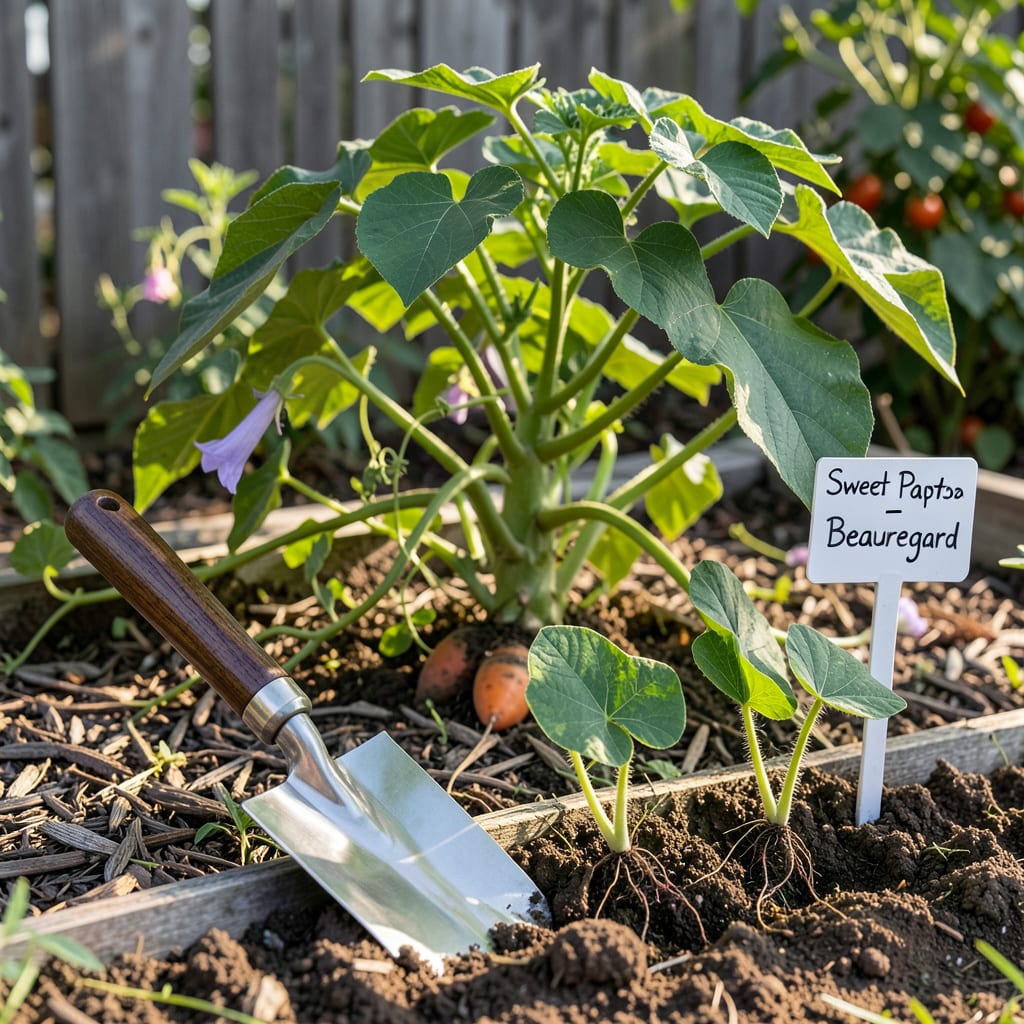
Timing your sweet potato planting in Kansas can mean the difference between a bumper crop and a disappointing harvest. Plant too early, and chilly soil stunts growth; wait too long, and your 🍠 won’t have enough warm days to mature.
After testing different approaches in my own garden, I’ve nailed down the perfect window for zones 6a-7a. Let me show you how to use soil temps—not just the calendar—to lock in your best yield yet.
If you’re growing sweet potatoes in Kansas, timing isn’t just important—it’s everything. Plant too early, and cold soil will stunt your slips. Wait too long, and your tubers won’t mature before fall. The sweet spot? Late May to early June, when soil temps hit 60°F+ at 4-inch depth.
Kansas spans USDA zones 5b–7a, meaning planting dates shift slightly across the state. Eastern Kansas (like Kansas City) can plant 1-2 weeks earlier than western regions (Dodge City). Let’s break down the ideal windows for your area—because a well-timed planting means bigger harvests come September.
In eastern Kansas, gardeners near Kansas City can often plant as early as May 10, thanks to milder springs. But don’t rely on air temps—soil temperature is the real deal. I use a $10 soil thermometer to check daily. If it reads 58°F, wait another week.
Central Kansas, including Wichita, should target May 15–30. This region’s clay-heavy soils warm slower, so I recommend black plastic mulch to speed things up. Lay it 2–3 weeks before planting to trap heat. Remove it once slips are established to avoid overheating roots.
Out west in Dodge City or Garden City, the rule is simple: wait until June. The higher elevation and cooler nights mean soil stays chilly longer. I’ve seen gardeners lose entire crops by planting in May—don’t risk it. Aim for soil temps of 65°F+ here.
No matter where you are, avoid planting after June 15. Sweet potatoes need 90–120 days to mature, and Kansas’s first frost (around October 15) will damage tubers. If you miss the window, opt for a fast-maturing variety like ‘Georgia Jet’ (90 days) instead of ‘Beauregard’ (100+ days).
Wondering how to track soil temps without a thermometer? Here’s my trick: Check your local weather station’s soil data (many Kansas State University extensions provide this). Or, plant a few slips in pots first—if they thrive after a week, your in-ground soil is ready.
Remember, sweet potatoes hate wet feet. If Kansas’s spring rains leave your soil soggy, build raised rows (12″ high) to improve drainage. I’ve found this also warms soil faster. In drought-prone western KS, drip irrigation ensures consistent moisture without waterlogging.
Finally, mark your calendar for harvest in late September. Kansas’s first frost usually hits by October 15, and tubers must be dug before then. I start checking soil temps in early fall—when they drop below 55°F, it’s time to harvest, even if vines still look green.
By nailing your planting date, you’re setting up for plump, sweet tubers that store well all winter. And if you’re curious about curing sweet potatoes after harvest (a must for best flavor!), I’ve got a guide for that too. Happy planting! 🌱
Kansas soil isn’t always sweet potato-friendly—especially with our clay-heavy and sometimes alkaline conditions. But with a few tweaks, you can transform even the toughest dirt into a tuber-producing powerhouse. The key? Mimicking the loose, well-draining soil these plants crave.
First, test your soil’s pH. Sweet potatoes thrive in 5.8–6.5 range, but many Kansas gardens skew alkaline (7.0+). A simple $15 test kit from your local extension office gives you the answers. If your pH is too high, amend with elemental sulfur or pine needles—just don’t overdo it.
If your garden has poor drainage, consider raised beds filled with a mix of topsoil, compost, and sand. I’ve seen Kansas gardeners double their yields just by lifting sweet potatoes out of waterlogged clay. For container growing, use 5-gallon buckets with drainage holes and a soilless mix (60% coconut coir, 30% compost, 10% perlite).
Don’t skip the pre-planting soil test—it’s your roadmap. Kansas State University’s extension office offers free or low-cost testing. Their reports include custom amendments for your specific soil type. I once assumed my garden was “fine” until a test revealed severe potassium deficiency, which explained my puny tubers!
For western Kansas gardeners, where soils are often sandy and dry, focus on moisture retention. Mix in 2–3″ of composted manure and use drip irrigation to deliver water directly to roots. Mulch with straw or grass clippings to reduce evaporation—just keep it 2″ away from slips to prevent rot.
Remember, sweet potatoes are not heavy feeders like tomatoes. Over-fertilizing leads to lush vines but tiny tubers. I stick to one light feeding at planting and another when vines start running (about 4 weeks in). After that, let the plants focus on tuber development without extra nitrogen.
By prepping your soil right, you’ll give slips the best start possible. And when harvest time rolls around, you’ll be pulling up plump, sweet tubers instead of stringy disappointments. Next up: Let’s talk about the biggest planting mistakes Kansas gardeners make—and how to avoid them! 🌱
Even experienced Kansas gardeners make costly mistakes with sweet potatoes. The worst part? Most are easily avoidable once you know what to watch for. I’ve seen entire crops lost to simple errors like ignoring soil temps or overwatering in our humid summers.
Let’s tackle the top 5 blunders that sabotage Kansas harvests—plus how to fix them if you’ve already messed up. Trust me, I’ve made a few of these myself, and the lessons were hard-earned but valuable. 🌱
The #1 mistake I see? Planting slips too deep or too shallow. Slips should be buried just enough to cover the root ball—about 1–2 inches deep. Plant deeper, and stems rot; plant shallower, and roots dry out. In Kansas’s wind-prone areas, press soil gently around slips to anchor them.
Next up: Soil temperature neglect. I can’t stress this enough—air temperature ≠ soil temperature. Even if it’s 80°F outside, your soil might still be 55°F. Use a soil thermometer (or check K-State’s extension data) to confirm 60°F+ at 4″ depth before planting. Cold soil = slow growth or slip death.
Kansas summers bring humidity and heat, which means overwatering is deadly. Sweet potatoes need 1–1.5 inches of water weekly, but our clay soils hold moisture. Stick your finger 2″ into the soil—if it’s damp, skip watering. Drip irrigation works best here; avoid overhead sprinklers to prevent foliar diseases like leaf spot.
Finally, variety selection trips up many gardeners. ‘Beauregard’ is popular but needs 100+ days—risky in Kansas’s short season. Opt for ‘Georgia Jet’ (90 days) or ‘Centennial’ (95 days). If you’ve already planted a long-season variety, extend the season with row covers in early fall to protect from light frosts. ✂️
Sweet potatoes need soil temps of 60°F+ at 4-inch depth before planting. In Kansas, this typically happens late May to early June. Use a soil thermometer for accuracy—air temps can be misleading!
Row covers can warm soil 2–3°F, but don’t plant before mid-May in eastern Kansas or late May elsewhere. Cold snaps can still damage slips. Remove covers once temps consistently exceed 70°F to avoid overheating.
Amend clay with 3 inches of compost and 1 inch of coarse sand to improve drainage. Plant in raised rows (12″ high) to prevent waterlogging. In western KS, add organic mulch to retain moisture in sandy soil.
Don’t plant after June 15—sweet potatoes need 90–120 days to mature. For late plantings, choose fast varieties like ‘Georgia Jet’ (90 days) and use black plastic mulch to speed growth.
Wilting often means cold shock or overwatering. Check soil temps—if below 60°F, replant in pots indoors. If soil is soggy, improve drainage with raised beds or perlite. Water only when the top 2 inches of soil are dry.
