
Beautiful Plants For Your Interior
Beautiful Plants For Your Interior
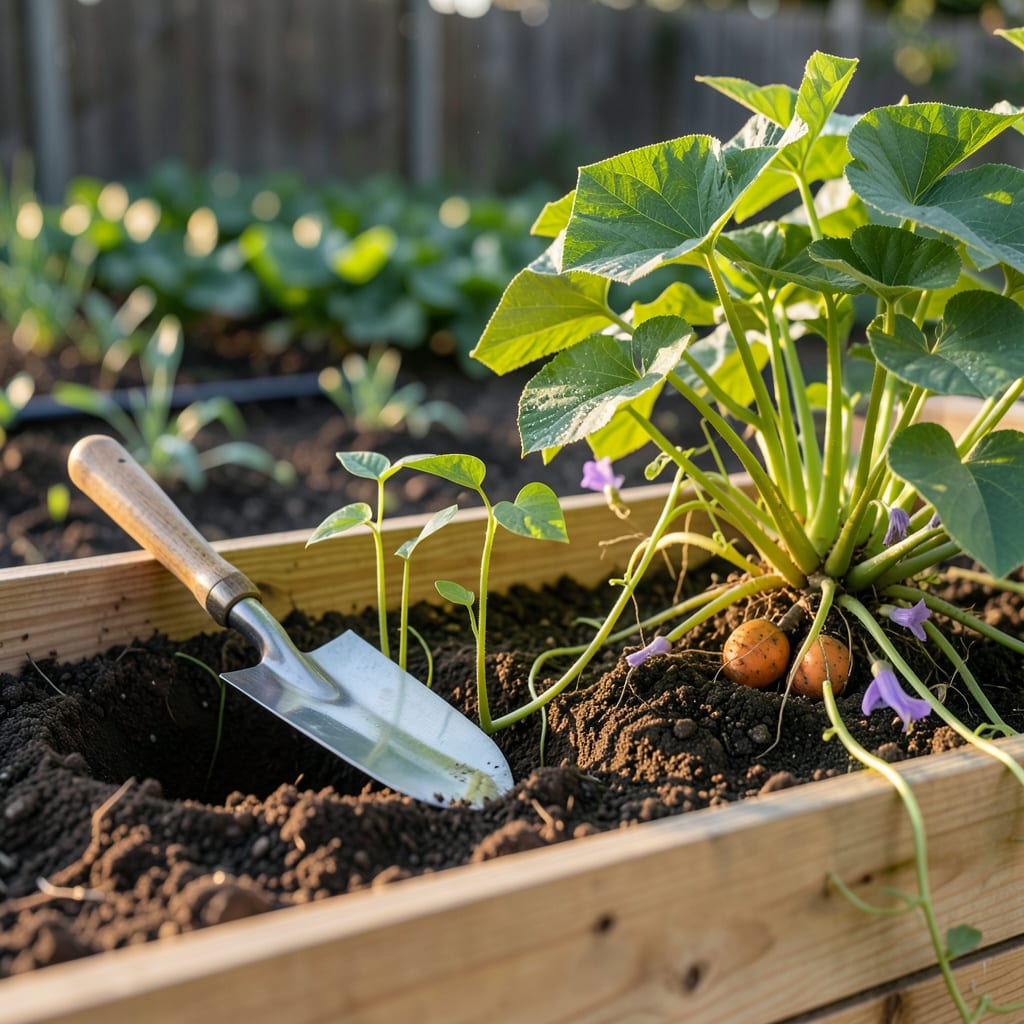
If you’ve ever pulled up tiny, underdeveloped sweet potatoes instead of the plump, vibrant 🍠 you dreamed of, timing might be your hidden problem. Florida’s unique climate means planting too early or late can sabotage your harvest before you even start.
After years of testing what works (and what doesn’t) in Zone 9b, I’ve nailed down the perfect windows for North, Central, and South Florida. Whether you’re in Jacksonville or Miami, I’ll show you exactly when to get those slips in the ground for your biggest yield yet.
Florida’s three distinct climate zones mean what works in Tallahassee won’t fly in Tampa. I’ve tested planting windows across the state, and the differences are shocking. North Florida gardeners need to watch frost dates, while South Florida growers battle summer heatwaves.
The secret? Soil temperature—not just air temp. Sweet potatoes refuse to grow until soil hits 65°F consistently. That’s why Pensacola gardeners plant in late March, but Miami folks can start in January. Let’s break down the exact windows for your region.
| Region | Ideal Planting Window | Last Frost Date | Soil Temp Threshold | Variety Recommendation |
|---|---|---|---|---|
| North Florida (Zones 8a-9a) |
March 15 – April 15 | March 10 | 65°F+ | Beauregard, Covington |
| Central Florida (Zone 9b) |
February 15 – March 30 | February 15 | 60°F+ | Georgia Jet, Bonita |
| South Florida (Zones 10a-11) |
January 15 – March 1 | None | 55°F+ | Porto Rico, Vardaman |
💡 Pro Tip: Use a soil thermometer—don’t guess! Plant when temps stay above thresholds for 5+ days.
In North Florida, I wait until mid-March to avoid late frosts that can kill young slips. The Central Florida window is wider, but I stop planting by March 30 to beat summer’s extreme heat. Down south? You can plant as early as January 15—but watch for cold snaps!
For fall planting, adjust these windows by 6-8 weeks. North Florida gardeners can try a second crop in late July, while South Florida folks might squeeze in an October planting for winter harvests. Just remember: sweet potatoes need 100-150 days to mature.
The soil prep timing matters too. I start amending beds 4 weeks before planting with compost and sand (Florida’s native soil is too heavy). Test your soil pH—sweet potatoes thrive at 5.8-6.5. Too acidic? Add lime. Too alkaline? Sulfur does the trick.
Don’t forget about moon planting if you’re into lunar gardening! I’ve had great results planting slips during the waxing moon in Cancer or Scorpio signs. While not scientifically proven, many Florida gardeners swear by this method for bigger tubers.
For container growers, you can start 2-3 weeks earlier than in-ground planting. Use 15-gallon containers with drainage holes, and place them where they’ll get full sun (6+ hours daily). I like using coconut coir mixed with perlite for container sweet potatoes.
Remember: slips need consistent moisture their first two weeks. I set up drip irrigation on a timer—15 minutes daily at dawn works perfectly in Florida’s sandy soil. Avoid overhead watering to prevent fungal diseases in our humid climate.
Want to push your season? Use black plastic mulch to warm soil faster in spring, or shade cloth to protect fall plantings from intense sun. I’ve extended my harvest by 3 weeks using these simple tricks. Just monitor soil temps closely!
Finally, mark your calendar for harvest time—about 100-120 days after planting. In Florida, that usually means digging around Halloween for spring-planted crops. Look for yellowing vines and test-dig one tuber to check size before harvesting the whole plant.
🌱Even with perfect timing, I’ve seen Florida gardeners lose entire sweet potato crops to avoidable mistakes. After talking with dozens of growers and testing methods myself, I’ve identified the three biggest blunders that sabotage harvests.
The worst part? These errors often look harmless at first. You might not realize your slips are struggling until it’s too late. Let me show you exactly what to watch for—and how to fix each issue before it destroys your fall harvest.
Sweet potatoes won’t grow roots until soil reaches 60°F. I’ve lost slips by planting too early in North Florida’s late February chills. Always use a soil thermometer!
Our native soil drains too fast. I boost yields by mixing in 30% compost and 10% sand before planting. Without this, tubers stay small and misshapen.
New slips need consistent moisture, but soggy soil causes rot. I water every 3 days for 10 minutes at dawn—never in evenings when humidity spikes.
That first mistake about cold soil hits gardeners hardest in Central Florida, where late frosts can surprise us. I once planted Beauregard slips in early March after a warm spell—only to lose them all to a 32°F night. Now I wait until soil stays above 65°F for 5 days straight.
The soil issue is especially critical in South Florida, where our “soil” is often just sugar sand. I’ve had best results with raised beds filled with a mix of topsoil, compost, and perlite. This combo holds moisture better while preventing compaction that stunts tuber growth.
For watering mistakes, the fix is simple but precise. I use drip irrigation set to run 15 minutes at 6 AM, 3 times weekly. The key is letting the top inch of soil dry between waterings. Stick your finger in the dirt—if it feels dry at your first knuckle, it’s time to water.
Bonus tip: If you’re growing in containers, these mistakes get amplified. I use fabric grow bags to prevent overwatering, and I never plant until nighttime temps stay above 55°F. Container sweet potatoes need even more attention to soil quality than in-ground plants.
🌱Florida’s long growing season gives us a rare advantage: we can often harvest two sweet potato crops in one year. The key is understanding how to leverage our mild winters and hot summers to your benefit.
I’ve successfully grown both spring and fall crops by adjusting planting times and varieties. Spring planting gives you larger tubers, while fall planting can produce sweeter, more flavorful sweet potatoes if timed right.
For spring planting, I start slips indoors 6 weeks before my last frost date. In Central Florida, that means beginning in early January. I use grow lights to keep slips stocky and prevent legginess.
Fall planting requires more strategy. I plant slips in late July for North Florida or early August for South Florida. The trick is getting them established before daylength shortens. I use 30% shade cloth to protect young slips from intense summer sun.
To extend your season even further, try succession planting. I plant a new batch of slips every 2 weeks from February through April. This staggers harvest times and prevents gluts. Just remember each planting needs 100-120 days to mature.
For container growers, fall planting works exceptionally well. I’ve had great success with Georgia Jet in 15-gallon containers. The key is moving containers to partial shade during September’s intense heat while maintaining consistent moisture.
🌱Sweet potatoes need soil consistently above 60°F to thrive. In Florida, this typically means waiting until mid-February in South Florida or late March in North Florida. Use a soil thermometer to check—don’t guess!
Yes, but timing is critical. Plant slips by late July in North Florida or early August in South Florida. Use 30% shade cloth to protect young plants from intense summer heat while they establish.
Mix in 30% compost and 10% sand to improve moisture retention. Raised beds work best for better drainage and root development. Test soil pH—aim for 5.8-6.5 for optimal growth.
Beauregard and Georgia Jet perform exceptionally well statewide. For South Florida’s heat, try Porto Rico—it handles humidity better. Always choose disease-resistant varieties to combat Florida’s fungal pressures.
Water deeply every 3-4 days during establishment, then reduce to twice weekly. Use drip irrigation in early morning to prevent fungal diseases. Let the top inch of soil dry between waterings for best results.
