
Beautiful Plants For Your Interior
Beautiful Plants For Your Interior
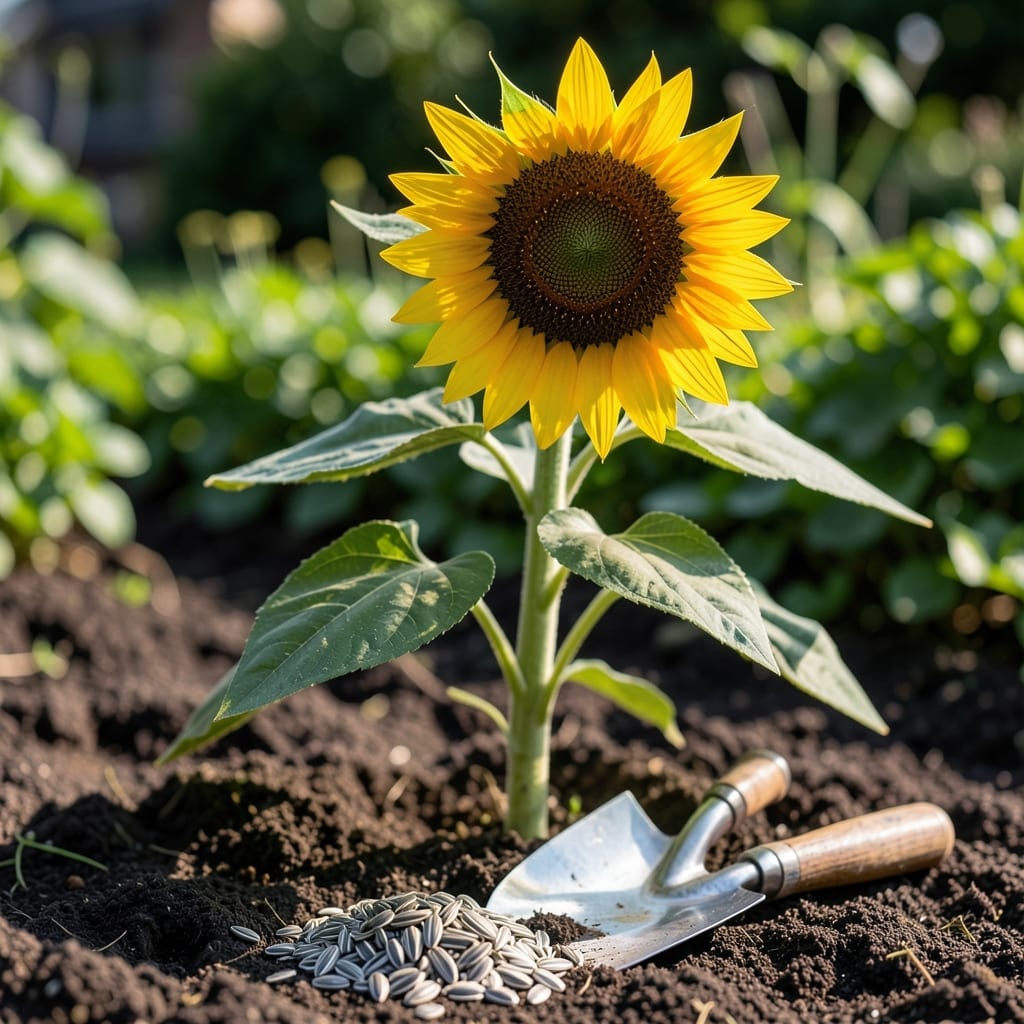
Timing is everything when planting Sunflowers in Montana’s varied climate. Get it right, and you’ll be rewarded with towering 🌻 blooms that thrive in the Big Sky Country’s unique growing conditions.
Montana’s 4b zone brings its own set of challenges, from late frosts to short growing seasons. Knowing when to start can make all the difference between a lackluster garden and a vibrant display.
I’ve tested the best windows for Sunflowers here, and the results might surprise you. The key lies in understanding your local frost dates and soil temperatures.
Discover the exact timing that works for Montana’s climate, and learn how to give your Sunflowers the strongest start possible this spring.
Montana’s USDA zones 3-6 create a patchwork of planting windows for sunflowers. The key is matching your last frost date with the right soil temperature. I’ve found 55-60°F soil is the sweet spot for germination.
In Zone 4b (most of central Montana), May 15 is your magic date. Western valleys in Zone 6 can start 2-3 weeks earlier, while high elevations in Zone 3 should wait until early June. 🌻
| Zone | Last Frost | Planting Window | Soil Temp |
|---|---|---|---|
| 3 | June 1 | Early June | 55°F+ |
| 4a | May 20 | Mid-May to June | 55°F+ |
| 4b | May 15 | Mid-May | 55-60°F |
| 5a | May 10 | Early to Mid-May | 60°F |
| 6 | April 25 | Late April | 60°F+ |
For early blooms, I start ‘Moulin Rouge’ indoors 4 weeks before the last frost. This dwarf variety handles Montana’s short season beautifully. Just harden off seedlings before transplanting.
Direct sowing is my preferred method for most sunflower types. Plant seeds 1 inch deep and 6 inches apart. Thin to 12-18 inches once true leaves appear. This spacing prevents fungal issues in our humid summers.
Montana’s unpredictable weather means I always keep row covers handy. A light frost can damage young plants, but mature sunflowers tolerate temps down to 25°F. Watch for late season surprises! 🌡️
Soil prep is crucial. I amend with compost and ensure good drainage. Sunflowers hate wet feet, especially in our clay-heavy western soils. A raised bed can be a game-changer.
For giant varieties like ‘Mammoth’, I recommend Zone 5+ locations. These need 120 days to mature, which is tight for Montana. Stick to 60-80 day varieties for reliable results.
Remember, microclimates matter. South-facing slopes or urban heat islands may allow earlier planting. I’ve had success pushing the envelope by 1-2 weeks in protected spots. ✂️
Finally, don’t forget succession planting. Sow a new batch every 2-3 weeks until mid-July for continuous blooms. This works especially well with ‘Autumn Beauty’, which thrives in Montana’s cool falls.
Montana’s short growing season demands fast-maturing and cold-hardy sunflower varieties. I’ve tested dozens and found these stand out in our Zone 4b climate with 120 frost-free days. 🌻
Look for varieties that mature in 60-80 days. These will reliably produce blooms before our early September frosts arrive. Dwarf types often outperform giants here.
| Variety | Days to Maturity | Height | Best For |
|---|---|---|---|
| Moulin Rouge | 60-70 | 3-4 ft | Cut flowers, containers |
| Teddy Bear | 65-75 | 2-3 ft | Dwarf, double blooms |
| Autumn Beauty | 70-80 | 5-7 ft | Multi-colored, pollinator-friendly |
| Lemon Queen | 70-80 | 5-6 ft | Pale yellow, branching |
| Sunspot | 50-60 | 2 ft | Super dwarf, early bloomer |
I always recommend ‘Moulin Rouge’ for beginners. Its early maturity and compact size make it perfect for Montana’s unpredictable springs. Plus, it’s disease-resistant in our humid summers.
‘Autumn Beauty’ is my top pick for continuous color. Its branching habit produces multiple blooms per plant. Start these 2 weeks after your last frost for best results. ☀️
For giant sunflower lovers, ‘Russian Giant’ can work in Zone 5+ areas. But be prepared to babysit it through cool spells. I’ve had mixed success with these in my Zone 4b garden.
Avoid varieties needing 90+ days. These rarely mature in Montana. Stick to the proven winners above, and you’ll enjoy reliable blooms from July through September.