
Beautiful Plants For Your Interior
Beautiful Plants For Your Interior
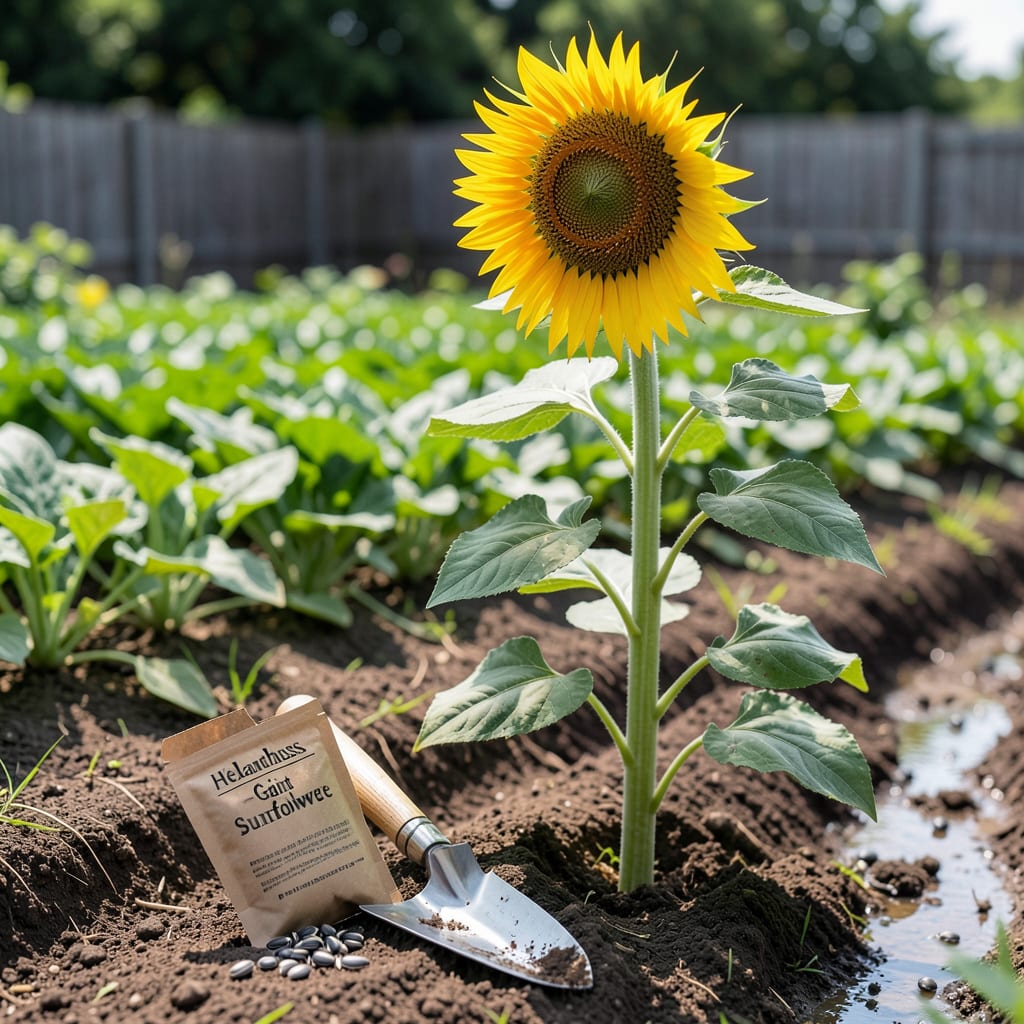
Timing your sunflower planting in New Jersey can mean the difference between sky-high blooms and disappointing sprouts. Our state’s unpredictable springs make it tricky—plant too soon, and late frosts might strike; wait too long, and you’ll miss peak growing conditions.
After years of testing in Zone 6b-7a, I’ve nailed the perfect window for those iconic 🌻 faces. Whether you’re in coastal Monmouth County or inland Sussex, I’ll show you exactly when to sow for sunflowers that steal the show from July through October.
If you’re dreaming of a backyard filled with towering sunflowers this summer, timing is everything in New Jersey’s Zone 6 climate. Our state’s unpredictable springs mean you’ll need to balance frost dates with soil temperature for the best results. I’ve found that mid-April through late May is the sweet spot for most NJ gardeners.
New Jersey’s last frost date typically falls between April 15-30, but coastal areas often warm up faster than inland regions. Before planting, I always check that my soil has reached at least 55°F—sunflower seeds won’t germinate well in colder ground. A simple soil thermometer takes the guesswork out of this crucial step.
| Planting Window | Region | Soil Temp | Notes |
|---|---|---|---|
| Mid-April to Early May | Coastal NJ | 55°F+ | Earliest safe window for direct sowing |
| Late April to Mid-May | Central NJ | 58°F+ | Ideal for most varieties |
| Early to Late May | Northwest NJ | 60°F+ | Wait for warmer soil |
| June (Early Varieties) | All Regions | 65°F+ | For late summer blooms |
*Soil temps measured at 2″ depth in morning sunlight
For early blooms, I start some seeds indoors 3-4 weeks before our last frost date. Use biodegradable pots to avoid disturbing roots during transplant. The ‘Moulin Rouge’ variety does particularly well with this method, giving me vibrant red blooms by early July. Just
If you’re planting giant sunflowers like ‘Mammoth’ or ‘Russian Giant’, aim for the early May window. These varieties need the full growing season to reach their impressive 10-12 foot heights. I’ve found they perform best when direct-sown, as their long taproots don’t like being transplanted.
For continuous blooms through summer, try succession planting. I sow a new batch of seeds every 2-3 weeks until early July. This works especially well with dwarf varieties like ‘Teddy Bear’ or ‘Sunspot’, which mature faster than their giant cousins. They’re perfect for containers if you’re short on garden space.
Watch out for late spring rains—New Jersey’s wet springs can delay planting. I always check the 10-day forecast before sowing. If heavy rain is predicted, I’ll wait a few days to avoid seed rot. Well-draining soil is your best defense against our sometimes soggy spring weather.
Don’t forget about microclimates in your yard! South-facing areas warm up faster, while north-facing spots stay cooler longer. I’ve had success planting sunflowers near paved surfaces that absorb heat, giving seeds a warmer start. Just be mindful of afternoon shade from nearby structures.
For the most accurate timing, I recommend using Rutgers University’s NJ Frost Date Calculator. It provides hyper-local frost dates based on your specific zip code. I’ve bookmarked it on my phone for quick reference during planting season. Remember, these dates are averages—always be prepared to protect young plants if a late frost threatens.
If you’re growing sunflowers for cut flowers or seed harvest, planting in early May typically gives you blooms from July through September. For pollinator gardens, I like to plant a mix of early, mid, and late-season varieties to provide continuous nectar sources. The bees and butterflies in my NJ garden certainly appreciate this approach!
Now that you know when to plant your sunflower seeds in NJ, let’s talk about how to plant them for the best results. The key to growing those impressive 10-foot giants—or even charming dwarf varieties—starts with proper soil preparation and planting techniques. I’ve learned through trial and error that sunflowers thrive when given the right start.
Begin by choosing a sunny location that gets at least 6-8 hours of direct sunlight daily. Sunflowers are sun worshippers! I prepare my planting area by loosening the soil to about 12-15 inches deep, mixing in compost for nutrients. Our NJ clay soil benefits from this extra attention. For drainage improvement, I add some coarse sand if my soil feels particularly heavy.
*For container planting, use pots at least 12″ deep with drainage holes
For direct sowing, which I recommend for most varieties, create small holes with your finger or a stick. Drop 2-3 seeds per hole—this gives you backup in case some don’t germinate. In NJ’s sometimes unpredictable springs, this insurance policy has saved me many times! Cover the seeds and press the soil gently to ensure good seed-to-soil contact.
If you’re starting seeds indoors (great for early blooms or in cooler NJ microclimates), use 3-4″ pots filled with seed-starting mix. Keep them in a sunny window or under grow lights, maintaining 70°F soil temperature for best germination. I’ve had great success with heat mats to maintain consistent warmth during our chilly early springs.
Watering is crucial in those first few weeks. Keep the soil consistently moist but not soggy—overwatering can cause seeds to rot. I water my newly planted sunflower seeds every 2-3 days unless we get significant rain. Once seedlings emerge, you can reduce to weekly deep watering. Our NJ summers can get dry, so I always check soil moisture by sticking my finger 1-2 inches into the ground.
Don’t forget about support systems for taller varieties! When plants reach about 2 feet tall, I install stakes or use a trellis system. Our NJ winds—especially in coastal areas—can topple even sturdy sunflowers. For giant varieties, I use bamboo stakes and soft ties to support the heavy heads as they develop. This prevents that heartbreaking sight of your prized sunflower bent over after a summer storm.
For container gardening, which works well for NJ urban gardeners, choose dwarf varieties like ‘Teddy Bear’ or ‘Sunspot’. Use containers at least 12 inches deep and wide—sunflowers develop extensive root systems. I’ve grown beautiful container sunflowers on my Jersey City balcony using a mix of potting soil and compost, with a slow-release fertilizer mixed in at planting time.
Not all sunflowers perform equally in our New Jersey gardens. After testing dozens of varieties across our Zone 6-7 climate, I’ve identified five standout performers that handle our humid summers and variable spring weather with ease. These picks offer something for every NJ gardener.
Our state’s growing season—typically 180 frost-free days—is perfect for both quick-blooming dwarf varieties and towering giants. I’ve selected options that resist common NJ garden challenges like powdery mildew and wind damage, while providing maximum pollinator appeal. Let’s explore the best choices.
*All varieties perform best when planted after soil reaches 55°F
For coastal NJ gardeners, I particularly recommend ‘Moulin Rouge’ and ‘Autumn Beauty’. These varieties handle the salt air and higher humidity of our shore regions better than most. Their strong stems resist the coastal winds that can topple other varieties.
If you’re gardening in Northwest NJ where summers can be slightly cooler, focus on early-maturing varieties. ‘Teddy Bear’ and ‘Lemon Queen’ both perform exceptionally well in these conditions. I’ve grown them successfully in Sussex County where our growing season is slightly shorter than coastal areas.
For urban gardeners with limited space, container-friendly varieties like ‘Teddy Bear’ and ‘Sunspot’ (not listed but excellent) are perfect choices. Use containers at least 12 inches deep and place them where they’ll get full sun. I’ve grown stunning container sunflowers on my Jersey City balcony using these compact varieties.
Remember that giant varieties like ‘Mammoth’ need extra care in our sometimes windy NJ summers. I recommend planting them near a fence or wall for wind protection, or be prepared to stake them. The reward of those massive 12-inch flower heads is worth the extra effort!
Sunflower seeds need soil that’s at least 55°F to germinate properly. In NJ, this typically happens between mid-April and early May. Use a simple soil thermometer to check—it’s the best way to avoid planting too early in our unpredictable springs.
Start seeds indoors 3-4 weeks before our last frost date (around April 15). Use biodegradable pots to avoid root disturbance when transplanting. This method works especially well for varieties like ‘Moulin Rouge’ that mature quickly.
Cover seedlings with frost cloth or plastic jugs with the bottoms cut off if cold nights are forecasted. Remove covers during the day so plants get sunlight. Our NJ springs can be tricky, so always check the 10-day forecast after planting.
Mix in compost and coarse sand to improve drainage before planting. Our NJ clay can stay too wet in spring, which may cause seeds to rot. Plant seeds slightly shallower (1 inch deep) in clay than in sandy soil for better results.
You can plant as late as early July for fall blooms, but stick to fast-maturing varieties like ‘Teddy Bear’. These will flower before our first frost (around October 15). Later plantings may not have time to fully mature in our Zone 6 climate.
