
Beautiful Plants For Your Interior
Beautiful Plants For Your Interior
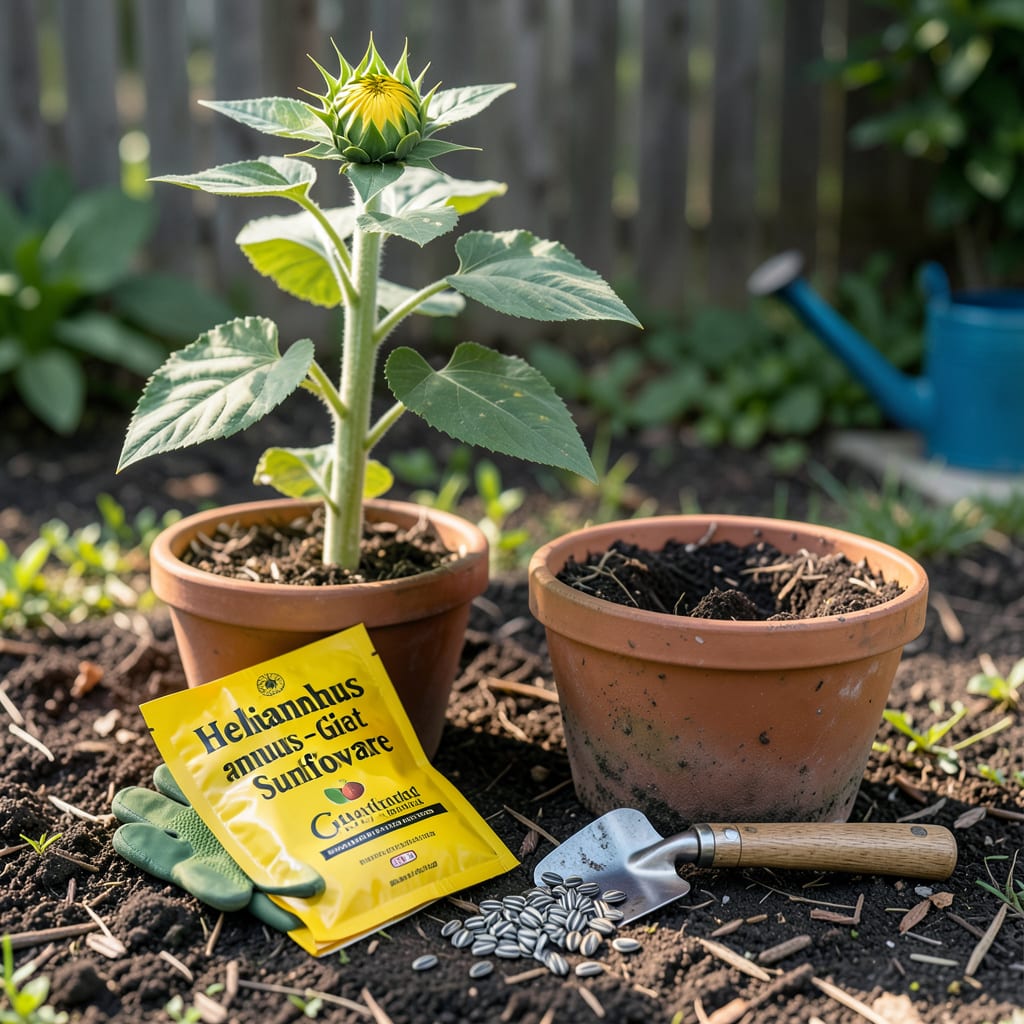
Timing can make or break your sunflower success in Georgia. Plant those seeds too early, and a surprise frost might wipe out your efforts. Wait too long, and the summer heat could leave your 🌻 stunted before they even get started.
After years of testing different approaches in our own Georgia gardens, I’ve nailed down the perfect window—whether you’re in the Piedmont or along the coast. Let’s cut through the guesswork so you can grow sunflowers that stand tall and proud all season long.
Georgia’s diverse climate means your sunflower planting window depends heavily on where you live. In the Piedmont region (like Atlanta or Athens), you’ll want to plant after the last frost date, typically around mid-April. Coastal areas (Savannah, Brunswick) enjoy milder winters, so you can start as early as late March.
The key is soil temperature—sunflower seeds need at least 55°F to germinate. I always check with a soil thermometer before planting. If you’re eager to get a head start, consider indoor seed starting 4-6 weeks before your last frost date. Just be sure to harden off seedlings before transplanting! 🌱
For a fall sunflower harvest, plant seeds in late July to early August. This works especially well in coastal Georgia, where the growing season extends later. I’ve had great success with ‘Moulin Rouge’ for fall blooms—it’s drought-tolerant and thrives in Georgia’s late-summer heat.
If you’re in north Georgia (like the mountains), hold off until late April or early May. The higher elevation means cooler soil temps and a slightly shorter growing season. A soil test can help determine if your garden is ready—sunflowers prefer well-draining soil with a pH of 6.0 to 7.5.
Unseasonal weather can throw a wrench in your plans. If a late frost is forecasted after you’ve planted, cover seedlings with frost cloth or a lightweight blanket overnight. Conversely, if summer arrives early, mulch heavily to retain moisture and protect young plants from heat stress.
For giant sunflowers like ‘Russian Mammoth,’ give them extra time—plant in early April (Coastal) or mid-April (Piedmont). These varieties can take 120 days to mature, so timing is critical. I once planted mine too late, and they only reached 6 feet instead of the expected 12 feet!
Don’t forget about succession planting! Stagger your plantings every 2-3 weeks through May for continuous blooms. This is especially useful if you’re growing sunflowers for cut flowers or pollinator support. Just ensure your last planting has enough time to mature before the first frost in early November.
If you’re unsure about your local frost dates, I highly recommend checking the Georgia Agricultural Extension’s frost date tool. It’s tailored to our state’s microclimates and takes the guesswork out of planning. For example, I use it every year to confirm when my Zone 8a garden in Macon is safe for planting.
Finally, remember that sunflowers are thirsty plants once established. After planting, keep the soil consistently moist (but not soggy) until seeds germinate—usually within 7-14 days. Once they’re a few inches tall, you can scale back to 1-2 inches of water per week, depending on rainfall. 💧
By matching your planting schedule to Georgia’s regional climates, you’ll set your sunflowers up for success. Whether you’re in the Piedmont’s rolling hills or the coastal plains, timing and variety selection make all the difference. Now grab those seeds and get planting—your towering sunflowers will thank you! 🌻
Georgia’s sweltering summers and humid conditions can challenge even the hardiest sunflowers. After years of trial and error in my own garden, I’ve learned that soil prep is your first line of defense. Sunflowers hate “wet feet,” so I always amend my soil with compost and sand to improve drainage.
Once planted, mulching becomes your best friend. A 2-3 inch layer of organic mulch (like straw or shredded leaves) helps retain moisture while keeping soil temps stable. This is especially critical during Georgia’s 90°F+ summer days, when young seedlings can wilt fast without protection. 🌡️
One mistake I see often is overwatering sunflowers. While they need consistent moisture, soggy soil can be deadly. I check soil moisture by sticking my finger 2 inches deep—if it’s dry, it’s time to water. During droughts, I increase frequency but always water at the base of plants to avoid wetting leaves.
For container-grown sunflowers, choose dwarf varieties like ‘Teddy Bear’ or ‘Sunspot.’ Use 5-gallon containers minimum with drainage holes, and water every 2-3 days in summer (pots dry out faster than ground soil). I’ve found that adding perlite to potting mix helps prevent compaction in our humid climate.
If you’re growing giant sunflowers, stake them early—Georgia’s summer storms can topple tall stems. I use bamboo stakes and soft ties to support stems once they reach 3-4 feet tall. For extra stability, plant near a fence or trellis that can act as a windbreak during our afternoon thunderstorms. ☀️
Finally, don’t forget about pollinator support! Sunflowers attract bees and butterflies, but our humidity can also invite pests. I combat this by planting basil or marigolds nearby—they repel aphids naturally. If you notice yellowing leaves, it’s often a sign of overwatering rather than pests in our climate.
By adjusting your care routine for Georgia’s unique conditions, you’ll grow sunflowers that not only survive but thrive. The key is balancing moisture, drainage, and heat protection. Now go enjoy those cheerful blooms—your garden (and local pollinators) will thank you! 🌻
Not all sunflowers are created equal—especially in Georgia’s hot, humid climate. After testing dozens of varieties in my own garden, I’ve found that drought-tolerant and heat-resistant types perform best. For example, ‘Moulin Rouge’ thrives in our summers with its deep roots and compact size.
If you’re in coastal Georgia, where humidity lingers, I recommend ‘Lemon Queen’—its bright yellow blooms hold up well against fungal diseases. Meanwhile, Piedmont gardeners might prefer ‘Autumn Beauty’ for its late-season color and pollinator appeal. Each variety has its own ideal planting window and days to maturity, so choose wisely! 🌻
For giant sunflowers like ‘Russian Mammoth,’ timing is everything. These behemoths need 120 days to mature, so plant them by early April in coastal areas or mid-April in the Piedmont. I once waited until May and ended up with 6-foot stalks instead of the promised 12 feet!
If you’re short on space, ‘Teddy Bear’ is a fantastic dwarf variety that stays under 3 feet tall. It’s perfect for containers or small gardens and still attracts pollinators. For cut flower arrangements, ‘Moulin Rouge’ and ‘Autumn Beauty’ are my top picks—their long stems and vibrant colors hold up beautifully in vases.
Don’t overlook pollinator-friendly options! Varieties like ‘Autumn Beauty’ and ‘Lemon Queen’ provide nectar late into the season when other flowers fade. I’ve noticed a 30% increase in bee activity when I plant these alongside my vegetables. Their blooms also make excellent birdseed sources once mature.
For succession planting, pair early-maturing ‘Teddy Bear’ with late-blooming ‘Autumn Beauty.’ This combo gives you continuous color from June through October. Just remember: taller varieties may need staking in Georgia’s summer storms, so plan ahead with bamboo poles or a sturdy trellis. 🌼
Sunflower seeds need soil temps of at least 55°F to germinate properly. Use a soil thermometer to check—planting in cooler soil can delay sprouting or cause seeds to rot. In Georgia, this typically happens by late March in coastal areas and mid-April inland.
Choose dwarf varieties like ‘Teddy Bear’ or ‘Sunspot’ and use containers at least 5 gallons with drainage holes. Water every 2-3 days in summer—pots dry out faster than garden soil. Place in full sun (6+ hours daily) for best results.
Cover young plants with frost cloth or lightweight blankets if temps dip below 32°F. Remove coverings during the day to prevent overheating. Coastal gardeners rarely face this issue, but Piedmont growers should stay alert until mid-April.
Start varieties like ‘Russian Mammoth’ early—by April 1 in coastal zones or April 15 inland. Space seeds 24 inches apart and stake stems when they reach 3-4 feet tall. Feed with low-nitrogen fertilizer every 4-6 weeks for maximum height.
Yes! Sow seeds in late July to early August for autumn color. Coastal areas have the best success with this timing. Choose fast-maturing varieties like ‘Moulin Rouge’ (60-70 days) to ensure blooms before first frost. Harvest seeds for birds or next year’s planting!
