
Beautiful Plants For Your Interior
Beautiful Plants For Your Interior
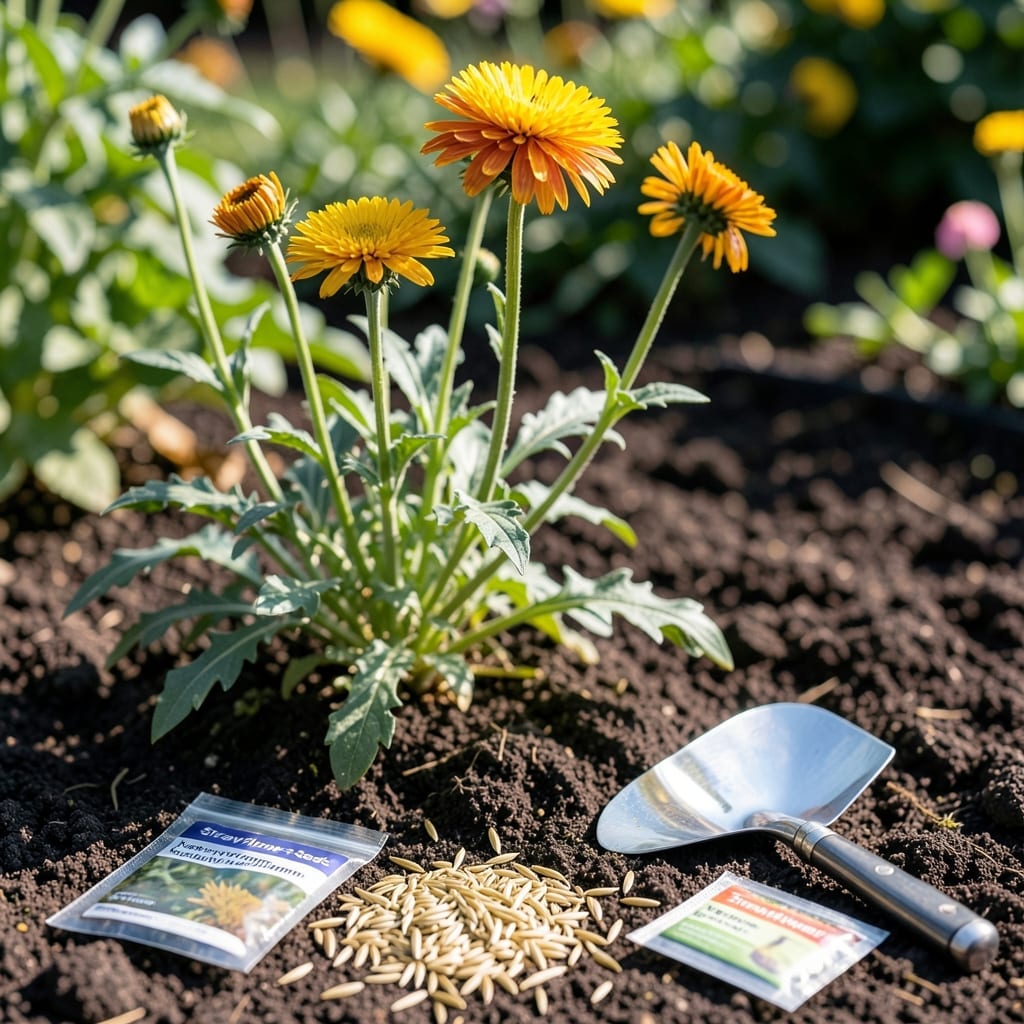
Timing is everything when it comes to planting 🌼 Strawflower seeds. Get it right, and you’ll be rewarded with months of vibrant, papery blooms that brighten any garden.
Whether you’re a seasoned gardener or just starting out, knowing the optimal window ensures your Strawflowers thrive. In USDA Zone 6, the sweet spot is April through May.
Discover how to align your planting with the season for the best results, no matter your climate. Let’s dig into the details.
Getting your strawflower seeds in the ground at the right time is key to vibrant, long-lasting blooms. These drought-tolerant annuals thrive when started after the last frost in most regions.
For USDA Zone 6, I recommend planting in April or May. In warmer zones like 9-11, you can start as early as March. Cooler climates may need indoor starts 6-8 weeks before the last frost.
| Climate Zone | Planting Window | Method |
|---|---|---|
| Zones 3-5 | May – June | Direct sow after frost |
| Zones 6-8 | April – May | Indoor start or direct sow |
| Zones 9-11 | March – April | Direct sow early |
In cooler zones, starting seeds indoors gives your strawflowers a head start. Use seed trays with well-draining soil and keep them under grow lights until temperatures warm up.
For direct sowing, wait until soil temperatures reach at least 60°F. This ensures faster germination and stronger seedlings. I’ve found that morning planting helps reduce stress on young seeds.
If you’re in a hot climate, consider planting in partial shade during peak summer. Strawflowers love sun but can struggle in extreme heat without some afternoon relief.
Always check your local frost dates for precision. I use the USDA Plant Hardiness Zone Map as my go-to reference. It’s a game-changer for planning.
Remember, strawflowers are fast growers. With the right timing, you’ll see blooms in as little as 8-10 weeks. That’s one of the reasons I love them!
For succession planting, sow a new batch every 2-3 weeks until midsummer. This keeps your garden glowing with continuous color throughout the season.
Finally, don’t forget to harden off indoor-started seedlings before transplanting. A week of gradual outdoor exposure makes all the difference for healthy, resilient plants ☀️
Planting strawflower seeds properly sets the stage for healthy growth and abundant blooms. I always start with well-draining soil to prevent waterlogging, which can rot the seeds before they even sprout.
Sow your seeds at a depth of 1/8 inch, as they need light to germinate. Space them about 12-18 inches apart to allow for good air circulation. This spacing helps prevent fungal diseases later on.
After sowing, water gently but thoroughly to settle the soil around the seeds. I use a spray bottle for even moisture without displacing the seeds. Keep the soil consistently moist until germination, which typically takes 7-14 days.
Once seedlings emerge, thin them out to the strongest plants. This can be tough, but it ensures the remaining plants have enough space to thrive and bloom abundantly. I often transplant the extras to other spots in my garden.
For early starts indoors, use seed trays and place them under grow lights or in a sunny window. Transplant outdoors only after the last frost date has passed and seedlings are hardened off.
Finally, mulch around your strawflowers to retain moisture and suppress weeds. With proper care, you’ll enjoy vibrant, long-lasting blooms from summer to fall 🌼