
Beautiful Plants For Your Interior
Beautiful Plants For Your Interior
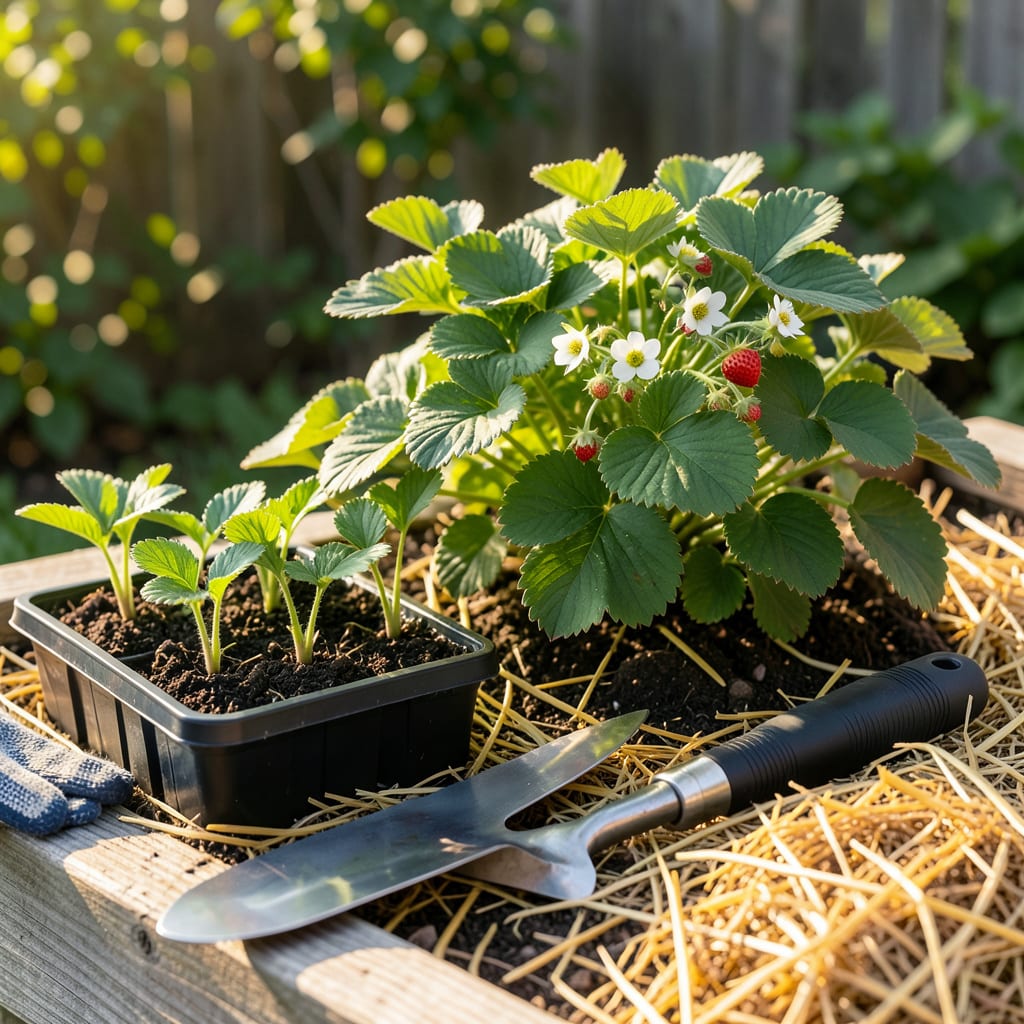
Timing your strawberry planting in Illinois can mean the difference between a bountiful harvest and a disappointing one. Plant too early, and late frosts might wipe out your 🍓 plants; plant too late, and they won’t establish before summer heat hits.
After years of testing what works best in our unpredictable Midwest climate, I’ve nailed down the ideal windows for both spring and fall planting. Whether you’re in Chicago or downstate, I’ll show you exactly how to sync your planting schedule with Illinois’ unique growing conditions.
Illinois spans three USDA zones (5a–7a), meaning your planting window shifts dramatically from Chicago to Carbondale. In Northern Illinois, you’ll need to wait until mid-April to early May after the last frost. Central regions can start 1–2 weeks earlier, while Southern Illinois gardeners often plant in late March.
Fall planting offers a second chance, especially for everbearing varieties. Aim for early September in the north and late September to early October downstate. This gives roots time to establish before winter without triggering new foliage growth that frost could damage.
| Region | Spring Planting Window | Fall Planting Window | Last Frost Date |
|---|---|---|---|
| Northern IL (Zone 5a–6a) | Mid-April to early May | Early September | April 15–30 |
| Central IL (Zone 6a–6b) | Late March to mid-April | Mid-September | April 1–15 |
| Southern IL (Zone 6b–7a) | Late March to early April | Late September to early October | March 15–30 |
*Adjust dates by 1–2 weeks based on microclimates (urban areas warm faster).
For spring planting, focus on June-bearing varieties like ‘Honeoye’ or ‘Jewel’. These need 6–8 weeks of cool weather to establish before summer heat. In fall, opt for day-neutral types such as ‘Albion’ or ‘Seascape’, which produce fruit until frost if planted by early September.
Soil temperature matters more than air temp. Use a soil thermometer to confirm 50°F+ at 4″ depth before planting. In heavy clay soils common in Illinois, raised beds warm faster and improve drainage—critical for preventing root rot in wet springs.
Watch the 10-day forecast before planting. If nighttime temps will dip below 28°F, delay planting or use frost blankets. I’ve lost entire patches to late April frosts in Zone 5—don’t risk it! Southern gardeners can push limits slightly but should still avoid planting during late frost warnings.
Pro tip: Bare-root plants establish faster in spring if soaked in water for 1 hour before planting. For fall, potted plants from local nurseries often perform better because they’ve already acclimated to Illinois’ humidity levels.
If you miss the spring window, don’t panic. Container-grown strawberries can be planted as late as early June in Northern Illinois if you provide afternoon shade and consistent water. Just expect a smaller first-year harvest.
For hyper-local advice, check your county’s Illinois Extension office for frost date updates. They often publish real-time soil temperature maps—a game-changer for precise planting. Urban gardeners in Chicago’s heat islands might plant 7–10 days earlier than rural areas.
Remember: Strawberries are perennials in Illinois if properly mulched. A 3–4″ layer of straw applied after the first hard frost (usually late November) protects crowns from winterkill, ensuring stronger production in year two.
Choosing between spring and fall planting in Illinois depends on your goals. Spring planting works best for June-bearing varieties like ‘Allstar’ or ‘Chandler’, giving you a concentrated harvest in year two. But fall planting often produces stronger root systems before winter dormancy.
I’ve found that fall-planted strawberries frequently outperform spring-planted ones in their first full season. The cooler temps and consistent moisture help roots establish without the stress of summer heat. Just be sure to plant 6–8 weeks before first frost (early September in most of Illinois).
For everbearing varieties like ‘Ozark Beauty’, fall planting is ideal. These plants will produce a small crop the following spring, then a larger harvest in fall. Spring-planted everbearers often struggle to establish before summer heat, reducing their first-year yield by 30–50% in my experience.
Day-neutral strawberries (like ‘Tristar’) thrive with fall planting in Illinois. They’ll start producing fruit 30 days after planting if temperatures stay above 40°F. I’ve harvested day-neutral strawberries as late as December in Southern Illinois with row covers!
Here’s my rule of thumb: If you want biggest possible harvests in year two, plant in fall. If you need strawberries ASAP and can baby them through summer, spring planting works. Either way, mulch heavily (3–4″ of straw) to protect plants from Illinois’ temperature swings.
Don’t forget about container planting! In Illinois’ unpredictable springs, containers let you move plants to shelter during late frosts. I use 5-gallon buckets with drainage holes for patio strawberries—just monitor soil moisture daily, as containers dry out faster than garden beds.
For both seasons, prepare your soil with 2–3 inches of compost and test pH (aim for 5.5–6.5). Illinois’ clay-heavy soils benefit from gypsum to improve drainage. And always—always—plant crowns above soil level to prevent rot.
Even experienced gardeners make costly errors with strawberries in Illinois. The biggest mistake I see? Planting too deep or too shallow. Strawberry crowns must sit exactly at soil level—bury them, and they rot; expose them, and they dry out.
Another common blunder is ignoring soil preparation. Illinois’ heavy clay needs 3–4 inches of compost worked in before planting. Skipping this step leads to poor drainage and stunted growth. Test your pH too—strawberries thrive in 5.5–6.5 range.
Crowns must sit level with soil. Bury them = rot. Expose them = drought stress.
Illinois clay needs compost + gypsum. Without it, roots suffocate in wet springs.
South-facing slopes warm 2 weeks earlier. Urban areas may plant 7–10 days sooner than rural.
Many gardeners also overlook microclimate differences. A south-facing slope in your yard might be 2 weeks ahead of flat areas. I’ve seen strawberries planted in urban heat islands (like Chicago) thrive when rural plants got frostbitten.
Watering mistakes kill more strawberries than pests. New plants need 1 inch of water weekly, but avoid wetting leaves to prevent fungal diseases. Drip irrigation works best—soaker hoses reduce fruit rot by keeping berries dry.
Finally, don’t crowd your plants! Strawberries need 12–18 inches between plants and 3 feet between rows. Overcrowding leads to smaller berries and disease spread. I use a grid pattern for best airflow and sunlight penetration.
Remember: Strawberries are perennials in Illinois if protected. A thick mulch layer (straw or pine needles) prevents winter heaving. Remove it gradually in early spring to avoid smothering new growth. This simple step can double your harvest in year two!
Spring planting works best for June-bearing varieties with a concentrated summer harvest. Fall planting gives plants time to establish roots before winter, often leading to bigger yields in year two. Fall-planted strawberries also handle Illinois winters better when properly mulched.
Containers are perfect for Illinois’ unpredictable springs. Use 5-gallon buckets with drainage holes and move them to shelter during late frosts. Container strawberries need daily watering in summer and afternoon shade to prevent overheating.
Use frost blankets or old bedsheets when temps drop below 28°F. For extra protection, add a 2-3 inch layer of straw mulch around plants. Remove covers during the day to allow sunlight and airflow.
For spring planting, try June-bearing varieties like ‘Honeoye’ or ‘Jewel’. For fall planting, day-neutral types such as ‘Albion’ or ‘Seascape’ perform well. These varieties handle Illinois’ climate swings and produce reliably across the state’s different zones.
New plants need 1 inch of water weekly, but avoid wetting leaves to prevent disease. Use drip irrigation or soaker hoses for best results. In hot summers, you may need to water every 2-3 days to keep soil consistently moist.
