
Beautiful Plants For Your Interior
Beautiful Plants For Your Interior
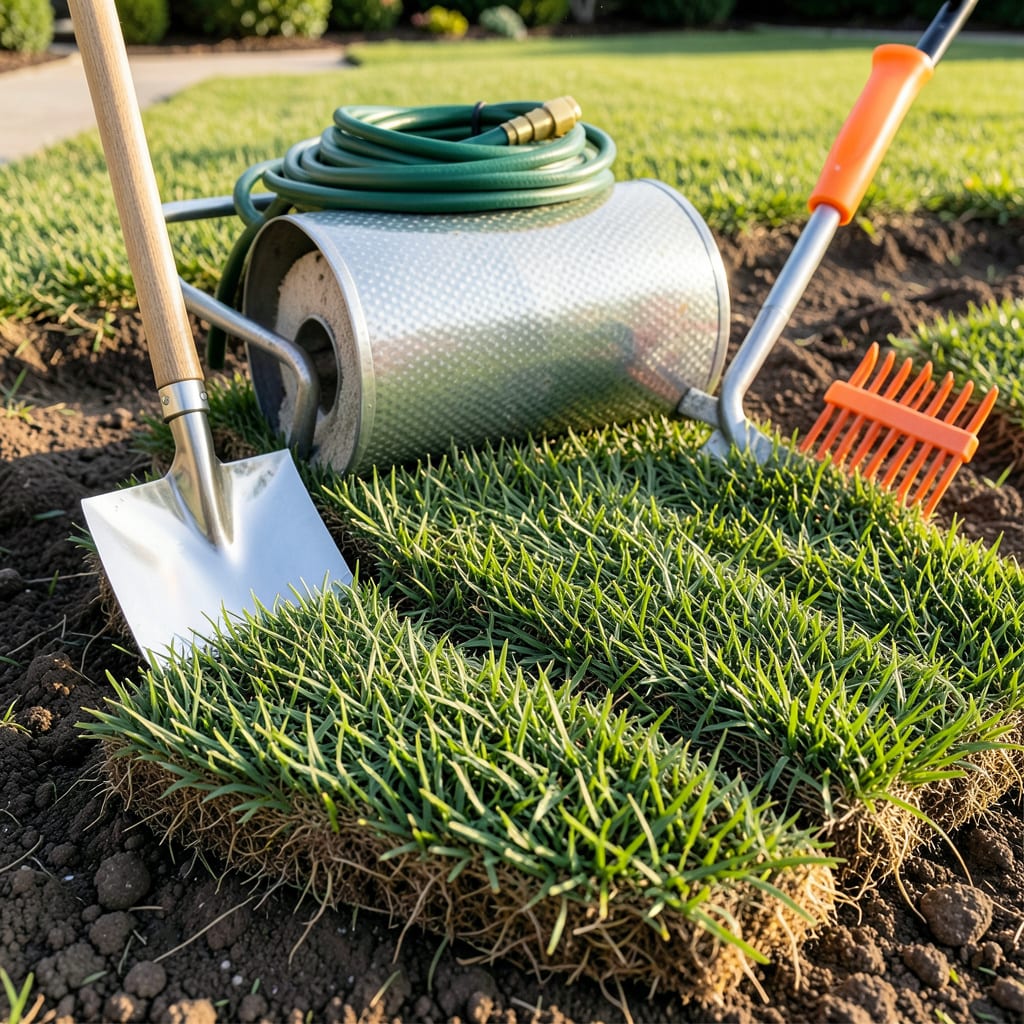
Timing your sod planting in Texas can mean the difference between a lush, green lawn and a patchy, struggling mess. With our state’s extreme heat and unpredictable weather, even a few weeks can make or break your results.
After helping dozens of Texas homeowners transform their yards, I’ve pinpointed the exact windows for success—whether you’re in the Panhandle or the Gulf Coast. Let’s cut through the guesswork so you can plant with confidence and enjoy a thriving lawn year-round.
If you’ve ever wondered why your neighbor’s lawn looks like a golf course while yours resembles a patchwork quilt, timing is likely the culprit. In Texas, our diverse climate zones mean what works in Dallas won’t fly in Houston. The secret? Aligning your sod planting with local temperature patterns and frost dates.
Texas spans USDA zones 6a to 9b, so while South Texas homeowners can plant sod in February, North Texas folks should wait until March. The ideal soil temperature for sod establishment is 60-80°F—too cold and roots stall; too hot and grass burns. Let’s break down the perfect windows by region.
| Texas Region | USDA Zone | Best Months | Good Months | Avoid Months | Key Considerations |
|---|---|---|---|---|---|
| North Texas (Dallas, Fort Worth) |
7b-8a | March–May September–October |
June, November | July–August, December–February | Avoid summer heat (100°F+). Watch for late frosts in March. |
| Central Texas (Austin, San Antonio) |
8a-8b | February–April September–November |
May, December | June–August | Hill Country clay soil needs extra prep. Drought risk in summer. |
| South Texas (Corpus Christi, Brownsville) |
9a-9b | January–March October–December |
April, September | May–August | Mild winters allow year-round planting, but hurricane season (June–Nov) brings salt spray risks. |
| Gulf Coast (Houston, Galveston) |
8b-9a | March–April September–October |
February, May, November | June–August, December–January | High humidity helps establishment but watch for fungal diseases in summer. |
| West Texas (El Paso, Lubbock) |
7a-8a | April–May September |
March, October | June–August, November–February | Low rainfall and high winds demand extra watering. Bermuda grass thrives here. |
Notice how South Texas has a longer planting window thanks to its milder winters? That’s because St. Augustine and Bermuda grass stay active nearly year-round there. Meanwhile, North Texas homeowners must dodge late frosts in March and scorching summers that can fry new sod.
For Central Texas, the Hill Country’s rocky clay soil is your biggest challenge. I always recommend tilling in 2-3 inches of compost before laying sod to improve drainage. Without this step, you risk root rot during our sudden downpours.
The Gulf Coast’s humidity is a double-edged sword—it helps sod establish faster but also invites fungal diseases like brown patch. If you’re planting in Houston or Galveston, space your watering sessions to let the grass dry between cycles.
Out in West Texas, water conservation is king. The low annual rainfall (less than 20 inches in El Paso) means you’ll need to install sprinklers before laying sod. I’ve seen too many homeowners plant sod only to watch it crisp up in the dry winds.
Here’s my pro tip: Call your county’s AgriLife Extension office for hyper-local advice. They track microclimates and can tell you if your neighborhood runs warmer or cooler than the regional averages. For example, urban heat islands in Dallas can extend the planting window by 2-3 weeks!
Remember, fall planting (September–November) often gives better results than spring because the cooler temps reduce stress on new grass while soil stays warm for root growth. Just be sure to get your sod in the ground at least 4-6 weeks before the first frost in your area.
If you’re tempted to plant in summer, resist the urge unless you’re prepared for daily watering (1 inch per day!) and potential heat stress. The exception? Zoysia grass, which handles heat better than most—but even it struggles in 100°F+ temperatures.
Finally, always check the forecast before scheduling your sod delivery. You want 5-7 days of mild weather (no extreme heat or cold snaps) post-installation. Trust me, your wallet—and your lawn—will thank you for waiting for the perfect window! 🌱
Even with perfect timing, small missteps can sabotage your new Texas sod. I’ve seen homeowners waste thousands because they overwatered in summer or planted cool-season grass in Houston. Let’s break down the seasonal pitfalls that trip up most DIYers.
Spring planting seems ideal, but it comes with hidden dangers. The biggest mistake? Planting too early before soil warms to 60°F. Cold soil prevents root growth, leaving your sod vulnerable to disease and drought when summer hits.
Summer sod installation is possible but risky. The #1 killer is inconsistent watering. New sod needs 1 inch of water daily for the first two weeks, but many homeowners either underwater (leading to crispy grass) or overwater (causing fungal outbreaks).
For fall planting, the critical error is skipping soil prep. Texas soils vary wildly—from East Texas clay to West Texas sand. Always test your soil pH and amend accordingly. St. Augustine prefers pH 6.0-7.5, while Bermuda tolerates up to pH 8.0.
Another fall mistake is using winterizer fertilizer too early. Wait until 4-6 weeks after planting to apply any fertilizer. Early applications can burn new roots before they establish. I recommend a slow-release 16-4-8 formula for Texas lawns.
Regardless of season, mowing too soon is a universal error. Wait until your sod reaches 3-4 inches tall before the first cut, and never remove more than 1/3 of the blade height. For Bermuda grass, set your mower to 1-1.5 inches; for St. Augustine, 2.5-3 inches.
Finally, don’t forget about post-planting traffic control. New sod needs 2-3 weeks to root firmly. Keep pets, kids, and heavy equipment off the lawn during this critical period. I’ve seen too many homeowners ruin their investment by hosting a backyard BBQ too soon! 🌱
You’ve picked the perfect time and laid your sod—now the real work begins. Those first 30 days determine whether your lawn becomes a lush carpet or a patchy disappointment. Texas’ extreme weather demands specialized care, especially during establishment.
I’ve helped dozens of homeowners save their sod by following this 5-step post-planting routine. The key? Mimicking the ideal growing conditions while protecting against Texas’ heat, drought, and soil challenges. Let’s dive into what your new sod absolutely needs to thrive.
The first 48 hours are critical—your sod is essentially a living bandage that needs immediate contact with soil. After laying, roll the entire area with a water-filled lawn roller to eliminate air pockets. I’ve seen DIYers skip this step, only to find dead patches where roots couldn’t reach soil.
For Texas heatwaves, here’s my emergency protocol: If temps exceed 95°F, water twice daily (6 AM and 6 PM) and apply shade cloth (30% density) for the first week. In drought conditions, prioritize deep, infrequent watering over frequent shallow sessions—this trains roots to grow deeper into our often-dry soils.
Don’t forget about soil testing! Texas A&M’s Soil Testing Lab offers $15 tests that reveal your soil’s pH and nutrient levels. I once helped a client in San Antonio whose sod kept dying—turns out his soil pH was 8.5 (too alkaline for St. Augustine). A simple sulfur application fixed it!
Finally, be patient with root establishment. In ideal conditions, sod roots fully in 2-3 weeks, but Texas’ clay soils can double that time. Test rooting by gently tugging a corner—if it resists, you’re good to gradually reduce watering. Celebrate this milestone: your lawn is now officially Texas-tough! 🌱
It’s not recommended due to extreme heat risks. Summer temps above 95°F stress new sod, requiring 3x more water to survive. If unavoidable, plant early morning, use shade cloth, and water twice daily for the first two weeks.
Under ideal conditions, sod roots in 2-3 weeks. However, Texas’ clay soils and summer heat can extend this to 4-6 weeks. Test by gently tugging a corner—resistance means roots have established.
For most regions, Bermuda (drought-tolerant) or St. Augustine (shade-tolerant) work best. West Texas does well with Zoysia for heat resistance, while Gulf Coast homeowners often choose Centipede for salt tolerance.
Wait 4-6 weeks before fertilizing! New sod needs time to establish roots. Early fertilization can burn tender grass. Use a slow-release 16-4-8 formula when ready, and avoid weed-and-feed products during establishment.
