
Beautiful Plants For Your Interior
Beautiful Plants For Your Interior
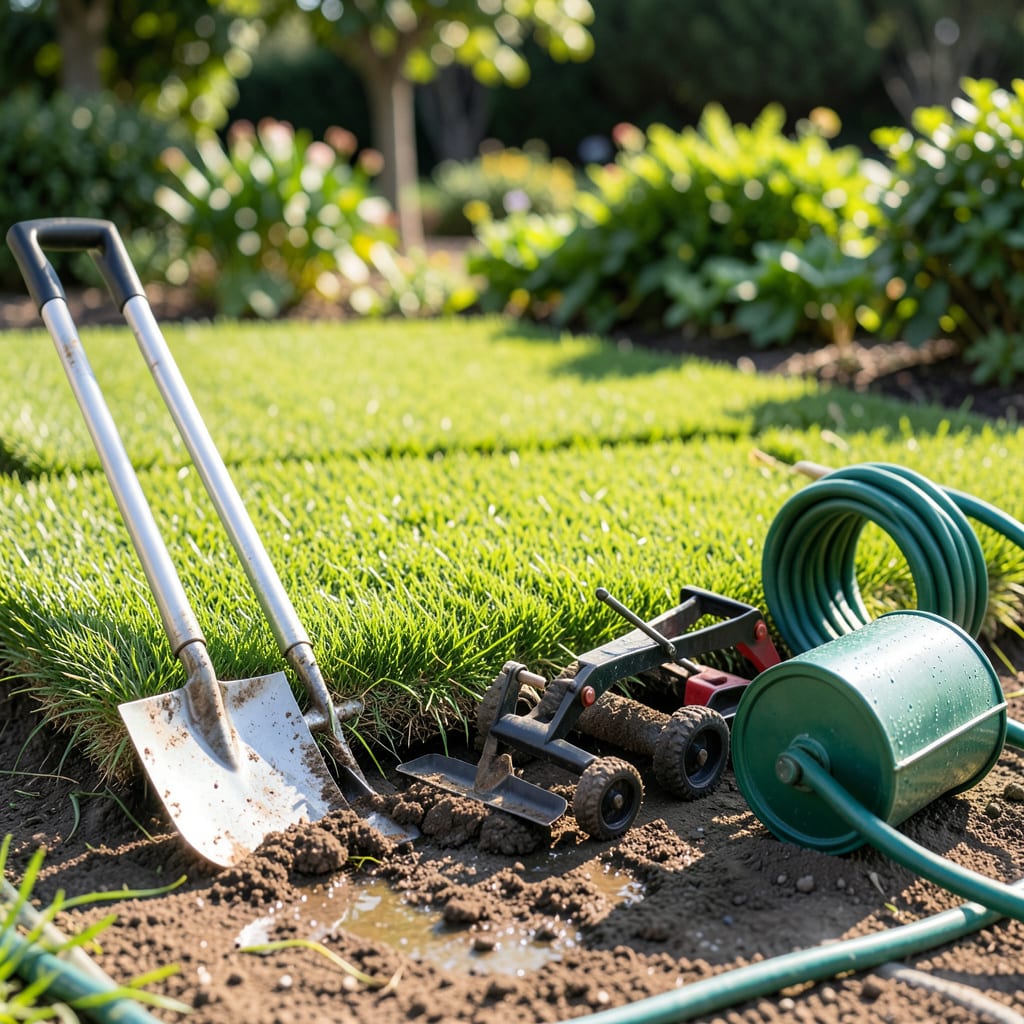
Timing isn’t just important—it’s everything when laying sod in North Texas. Plant too early or too late, and you’re fighting an uphill battle against heat, drought, or frost. I’ve seen too many homeowners waste time and money on sod that never takes root simply because they missed the ideal window.
The good news? There’s a perfect 6-month stretch where North Texas soil and climate align for sod success. Whether you’re prepping for spring or planning a fall refresh, I’ll show you exactly when to roll it out—and why those weeks make all the difference for a lawn that thrives, not just survives.
If you’re laying sod in North Texas, timing isn’t just important—it’s the difference between a thriving lawn and a costly mistake. Our USDA Zone 8a climate means scorching summers and mild winters, so choosing the right window ensures your sod roots deeply before stress hits.
The ideal months for sod installation are late September through early November and March to early May. These periods offer moderate soil temperatures (60-75°F) and consistent moisture—perfect for root establishment without heat stress.
| Season | Best Months | Soil Temp | Pros | Cons |
|---|---|---|---|---|
| Early Fall | Sept-Nov | 65-75°F | Cool weather, fewer pests, ideal root growth | Limited by first frost (Nov 15) |
| Early Spring | Mar-Apr | 60-70°F | Warm soil, longer growing season | Risk of late frosts (until March 15) |
| Summer | Jun-Aug | 85°F+ | Fast growth if watered heavily | Heat stress, high water needs, weed competition |
Avoid planting in July-August—extreme heat requires 3x more water for survival.
Fall planting (September-November) is my top recommendation because the cooler air temperatures reduce stress on new sod while the warm soil promotes root growth. I’ve seen sod planted in October establish twice as fast as summer installations.
For spring planting, aim for March 15-April 30 to avoid late frosts. The key is watching soil temperature—use a soil thermometer to confirm it’s consistently above 55°F at 2-inch depth before laying sod.
What about winter planting? While North Texas winters are mild, December-February brings dormancy. Sod can survive but won’t actively root until spring. If you must plant then, choose cold-hardy varieties like Tall Fescue.
The absolute worst time is summer (June-August). I’ve rescued countless lawns planted during heatwaves—the sod requires daily watering (sometimes twice!) just to survive, and roots often fail to establish deeply.
Pro tip: Check the 10-day forecast before planting. You want mild, overcast days with occasional rain—not the 100°F heat waves North Texas is famous for. Your sod will thank you with faster establishment and fewer brown patches.
Remember, soil prep matters more than timing. Even in the perfect window, compacted or nutrient-poor soil will sabotage your lawn. Test your soil’s pH (aim for 6.0-7.5) and amend with compost before installation.
After planting, maintain consistent moisture for 2-3 weeks—this is when roots develop. I use the “screwdriver test”: if you can’t push a screwdriver 6 inches into the soil easily, your sod needs more water.
For Bermuda or Zoysia sod, fall planting gives roots a head start before winter dormancy. St. Augustine prefers spring’s warmer soil. Match your grass type to the season for best results.
You’ve picked the perfect planting window for your North Texas sod—now let’s talk dirt. I mean that literally! Soil preparation is what separates lush lawns from patchy disappointments. Skipping these steps is like building a house without a foundation.
Start with a soil test—it’s your lawn’s blueprint. North Texas soils often need pH adjustments (aim for 6.0-7.5) and nutrient boosts. I use the Texas A&M AgriLife Extension service for accurate results. For $15, you’ll know exactly what your soil lacks.
Pro tip: Lay sod within 24 hours of delivery to prevent drying out.
The tilling step is where most DIYers cut corners—don’t be that person! Compacted North Texas clay is the #1 enemy of new sod roots. I once saw a lawn fail because the homeowner only tilled 2 inches deep. Roots couldn’t penetrate, and the sod dried out within weeks.
For compost selection, avoid fresh manure—it burns young roots. Instead, use well-aged compost or plant-based options. In our alkaline soils, pine bark fines can help lower pH naturally while improving drainage.
Don’t forget the grading step! Poor drainage creates puddles that drown sod. I use this trick: after grading, walk the area during a light rain to spot low spots. Adjust before laying sod—it’s much harder to fix afterward.
After compacting, your soil should feel like a firm mattress—springy but not hard. Test by walking on it: your footprints should be visible but not deeper than ½ inch. This balance ensures good sod-to-soil contact without suffocating roots.
Finally, timing your watering matters. Water the prepared soil the day before sod arrives, then keep it consistently moist (not soggy) during installation. I use a soil moisture meter to take the guesswork out—aim for 30-50% moisture in the top 4 inches.
Not all sod is created equal—especially in North Texas, where our USDA Zone 8a climate demands heat-tolerant, drought-resistant grasses. Choosing the wrong variety can mean constant watering, patchy growth, or even total lawn failure during our brutal summers.
I’ve tested all the major sod types in my own yard and client projects, and four varieties consistently outperform the rest. Each has unique strengths, so matching the grass to your specific conditions (sun exposure, traffic, water budget) is key to long-term success.
| Grass Type | Best For | Drought Tolerance | Shade Tolerance | Maintenance |
|---|---|---|---|---|
| Bermuda | High-traffic, full sun | ⭐⭐⭐⭐⭐ | ⭐ | High (mow weekly) |
| Zoysia | Moderate traffic, sun/partial shade | ⭐⭐⭐⭐ | ⭐⭐⭐ | Medium (mow biweekly) |
| St. Augustine | Shaded areas, coastal regions | ⭐⭐⭐ | ⭐⭐⭐⭐⭐ | High (thatch-prone) |
| Tall Fescue | Cool-season, partial shade | ⭐⭐⭐ | ⭐⭐⭐⭐ | Medium (stays green winter) |
*Avoid Kentucky Bluegrass—it struggles with our heat and requires excessive watering.
Bermuda grass is the king of heat tolerance in North Texas, thriving in our 100°F summers when properly established. It recovers quickly from foot traffic, making it ideal for active families. However, it turns brown during winter dormancy and demands frequent mowing (weekly in peak season).
For shaded yards, St. Augustine is my top pick—it’s the only grass that stays lush under trees where others thin out. The trade-off? It needs more water than Bermuda and is prone to chinch bugs. I recommend the ‘Raleigh’ cultivar for better disease resistance in our humid summers.
Zoysia offers the best balance for most North Texas lawns—it handles moderate shade and drought better than St. Augustine while staying greener longer than Bermuda in fall. The ‘Empire’ cultivar is particularly well-suited to our clay soils. Just be patient: Zoysia establishes slower than other grasses.
Tall Fescue is the oddball—it’s a cool-season grass that stays green year-round in North Texas. While it requires more water than warm-season grasses, its deep roots make it surprisingly drought-tolerant once established. I use it for clients who want winter color without overseeding.
Remember: Planting time matters for each variety. Bermuda and Zoysia do best when planted in late spring (April-May), while Tall Fescue and St. Augustine prefer early fall (September-October) to avoid summer stress. Always match your grass choice to both your yard’s conditions and the optimal planting window.
Summer planting in North Texas is risky due to extreme heat. Sod requires 2-3x more water just to survive, and roots often fail to establish deeply. If you must plant then, choose heat-tolerant varieties like Bermuda and water twice daily for the first 2 weeks.
Under ideal conditions, sod typically roots within 2-4 weeks. The “tug test” helps check establishment: gently lift a corner—if it resists, roots are forming. Fall plantings often root faster than spring due to cooler air and warm soil temperatures.
Avoid walking on new sod for at least 2 weeks to prevent damaging tender roots. After that, light foot traffic is fine, but wait 4-6 weeks for heavy use. Use stepping stones if you need access to planted areas during establishment.
For North Texas yards with shade, St. Augustine is the top performer. It thrives under trees where other grasses thin out. The ‘Raleigh’ cultivar offers better disease resistance, though it requires more water than sun-loving varieties like Bermuda.
