
Beautiful Plants For Your Interior
Beautiful Plants For Your Interior
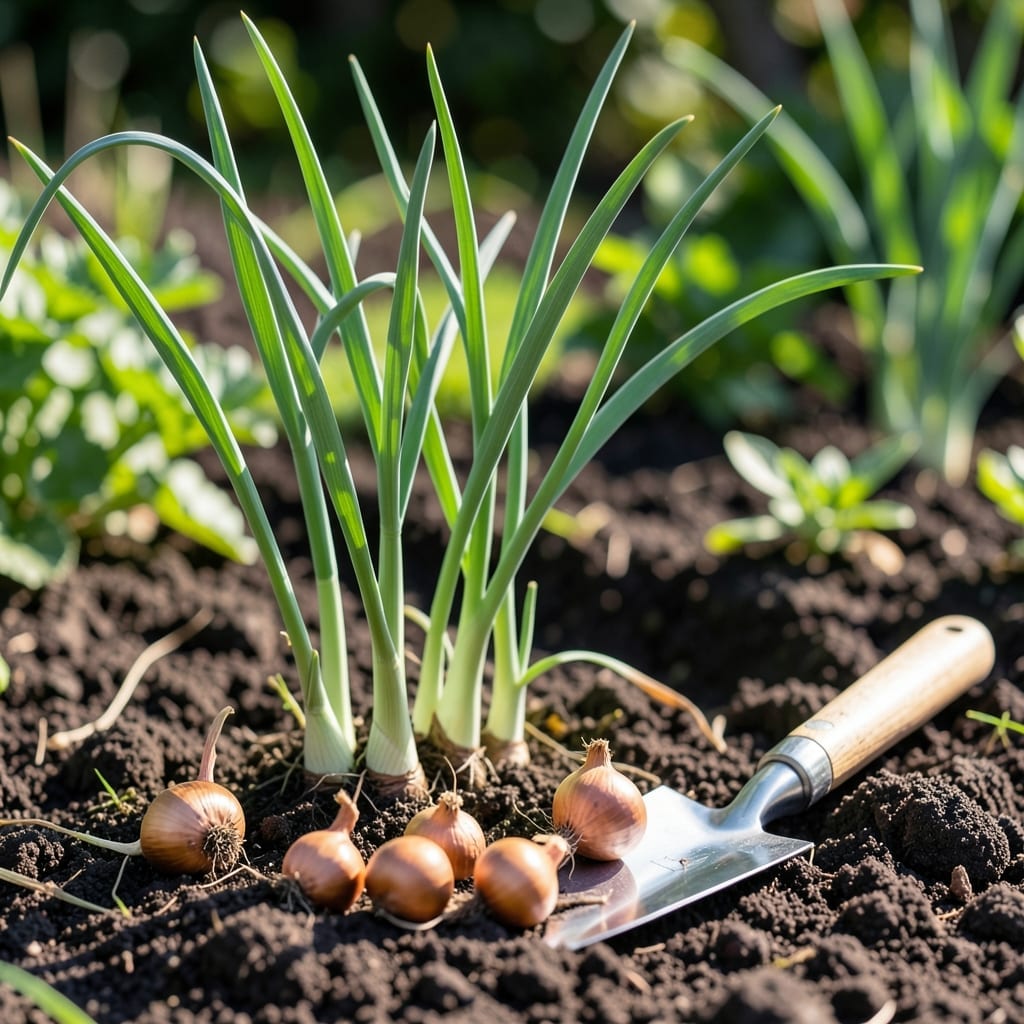
Timing is everything when growing Shallot 🧅—plant too early or late, and you risk missing that perfect flavor. I’ve learned the hard way that getting this right makes all the difference.
Whether you’re in zone 6 or just starting out, knowing when to get those sets in the ground is the key to success. The good news? It’s simpler than you think.
Let me walk you through the ideal windows and what to watch for. You’ll be harvesting those gourmet bulbs before you know it.
Getting shallots in the ground at the right time is crucial for optimal bulb development. I’ve found that timing varies significantly depending on your USDA hardiness zone and local climate patterns.
In cooler zones like 3-5, fall planting is ideal, while warmer zones 7-9 thrive with spring planting. Understanding these windows ensures your shallots mature properly without stress.
| Zone | Best Planting Time | Notes |
|---|---|---|
| Zones 3-5 | Early fall | Plant 4-6 weeks before first frost |
| Zones 6-7 | Fall or early spring | Both seasons work well here |
| Zones 8-9 | Late fall to winter | Avoid summer heat stress |
For zone 6, which many gardeners call home, I recommend planting in March or April for spring or September to November for fall. This gives your shallots enough time to establish before extreme temperatures hit.
In milder climates, you can push the envelope a bit. I’ve had success planting as late as December in zone 8, as long as the soil isn’t frozen. The key is ensuring the bulbs get 6-8 weeks of growth before dormancy.
If you’re in a very cold zone, don’t risk leaving shallots in the ground over winter. Instead, plant in early spring as soon as the soil is workable. This prevents frost damage to young shoots.
Soil temperature is another critical factor. Shallots prefer 40-50°F for root development. I use a soil thermometer to check conditions before planting. If it’s too cold, wait a week or two.
For fall planting, aim to get shallots in the ground when soil temps are still above 50°F. This gives them time to develop strong root systems before winter dormancy. In spring, plant as soon as the soil can be worked.
Remember that daylight hours affect bulb formation. Shallots need 10-12 hours of daylight to form proper bulbs. In regions with short winter days, spring planting often yields better results.
I’ve learned that local microclimates matter too. If you’re near a body of water or in a sheltered valley, your planting window might be slightly different. Observe your specific conditions and adjust accordingly.
Finally, always check your last frost date and count backward. For spring planting, aim for 4-6 weeks before your last frost. For fall, plant 4-6 weeks before your first expected frost. This timing has never failed me. 🌱
Timing your shallot planting perfectly depends on more than just the calendar. I’ve discovered that soil temperature is the most critical factor for strong root development.
The ideal soil temperature range is 40-50°F. Below this, growth stalls; above it, bulbs may split. I always check with a soil thermometer before planting.
Daylight hours significantly impact bulb development. Shallots need 10-12 hours of light daily. In short-day regions, spring planting often yields better results than fall.
Frost tolerance varies by variety. Most established shallots can survive light frosts, but young plants are vulnerable. I always protect new plantings if cold snaps are forecasted.
Soil moisture is another key player. While shallots need consistent moisture, waterlogged soil leads to rot. I water deeply once a week, adjusting for rainfall.
Lastly, don’t overlook soil pH. Shallots prefer slightly acidic to neutral soil (pH 6.0-7.0). A simple test kit helps me adjust amendments before planting. 🌱