
Beautiful Plants For Your Interior
Beautiful Plants For Your Interior
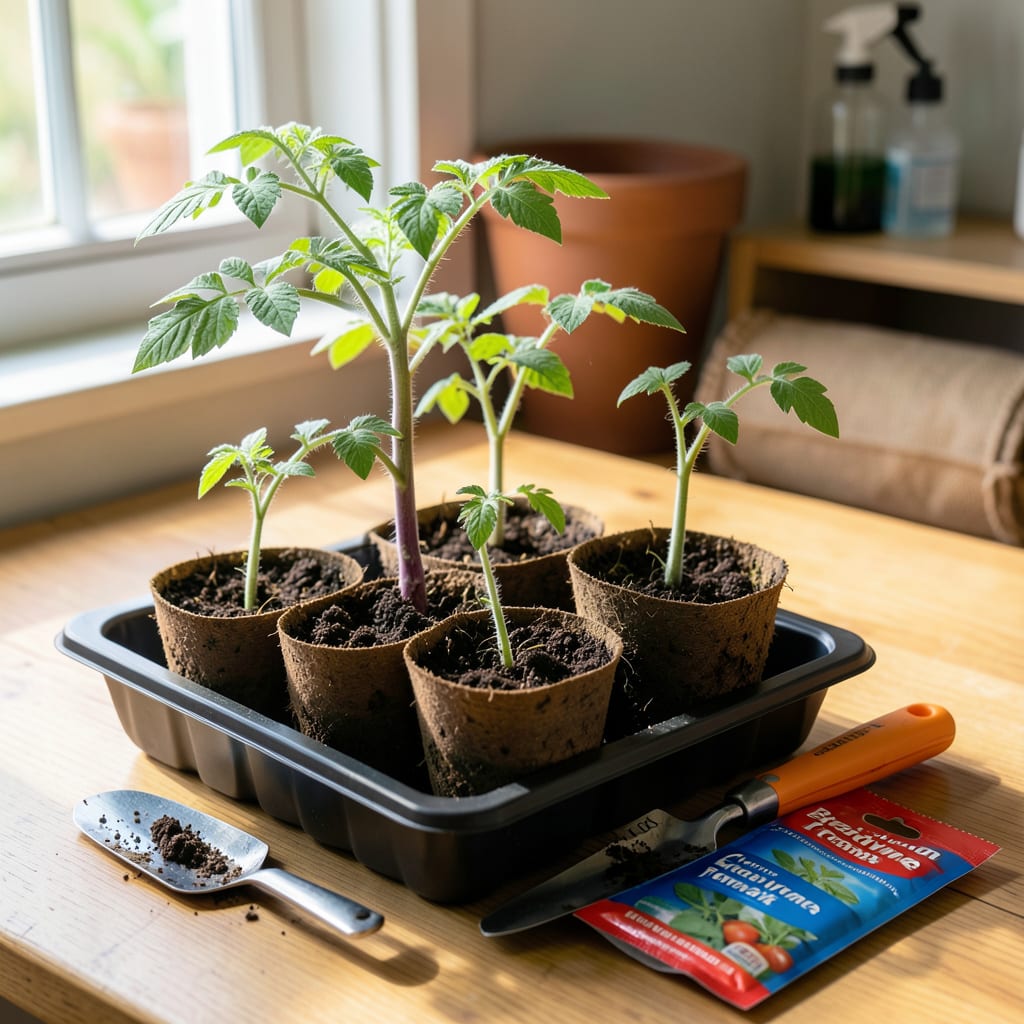
Timing your greenhouse seed planting can mean the difference between thriving plants and a disappointing harvest. Start too early, and your 🌱 Greenhouse Seedlings may become leggy or weak; wait too long, and you’ll miss your ideal growing window.
After years of trial and error, I’ve nailed down the perfect schedule for faster growth and stronger seedlings. Whether you’re in Zone 6 or adjusting for a heated setup, this guide will show you exactly when to sow for a bountiful season. Let’s get started.
Getting your greenhouse seed planting timing right can make or break your growing season. I’ve found that even a two-week difference can mean stronger seedlings or stunted growth. The key is matching each plant’s needs with your local last frost date and greenhouse conditions.
For most gardeners in USDA Zones 5-9, the sweet spot for starting seeds spans February through April. But not all plants follow the same rules—cold-hardy crops like kale can go in earlier, while tender tomatoes need warmth. Let’s break it down by category.
| Crop Type | Start Indoors | Transplant Outdoors | Notes |
|---|---|---|---|
| Cold-Hardy Vegetables (Lettuce, Spinach, Kale) | 6-8 weeks before last frost | 2-4 weeks before last frost | Tolerates 40-50°F nights |
| Half-Hardy Crops (Cabbage, Broccoli, Cauliflower) | 5-7 weeks before last frost | 2 weeks before last frost | Needs 50-60°F soil |
| Tender Crops (Tomatoes, Peppers, Eggplant) | 8-10 weeks before last frost | 1-2 weeks after last frost | Requires 60-70°F days |
| Herbs (Basil, Parsley, Cilantro) | 6-8 weeks before last frost | After last frost | Basil needs 70°F+ soil |
| Flowers (Marigolds, Petunias, Zinnias) | 8-12 weeks before last frost | After last frost | Most need 6-8 hours sun |
*Adjust for heated vs. unheated greenhouses—add 2-3 weeks for unheated setups.
If you’re in a cooler climate (Zones 3-5), I recommend adding 2-3 extra weeks to these schedules. Your unheated greenhouse will warm up slower than one in Zone 7. For example, I start my tomato seeds in early March in Zone 6, but a Zone 4 gardener should wait until late March.
For heated greenhouses, you’ve got more flexibility. I’ve successfully grown lettuce and spinach year-round by maintaining 50-60°F nights. The table above assumes a standard unheated greenhouse, so adjust if you’ve got heat mats or supplemental lighting.
Here’s a pro tip: Always check your seed packets for specific “days to maturity” info. I cross-reference that with my last frost date (April 15 in Zone 6) to fine-tune timing. For instance, slow-growing peppers need that full 10-week head start, while fast radishes only need 4 weeks.
Don’t forget about succession planting! In my greenhouse, I stagger lettuce and herb seeds every 2 weeks from February through April. This ensures a continuous harvest rather than one giant glut. The same goes for flowers like zinnias—plant a new batch monthly for nonstop color.
For warm-season crops like cucumbers and squash, I wait until 3-4 weeks before transplanting. These plants grow so fast they’ll outgrow their pots if started too early. The exception? If you’re growing in a large greenhouse with room for bigger containers, you can start them 5-6 weeks early.
Remember that greenhouse humidity plays a role too. I keep mine around 50-70% for most seeds, but drop it to 40-50% once seedlings emerge to prevent damping-off. A small hygrometer is worth its weight in gold for monitoring these conditions.
Finally, if you’re new to greenhouse growing, start with easy crops like lettuce, radishes, and marigolds. They’re forgiving with timing and will build your confidence. Once you’ve mastered those, move on to the fussier plants like peppers and celery that demand precise conditions.
🌱Even with perfect timing, your greenhouse seedlings can fail if you make these common errors. I’ve seen gardeners waste weeks of effort by overlooking simple details. The good news? Each mistake has an easy fix if you know what to watch for.
First, let’s talk about overwatering—the number one killer of young seedlings. Many beginners assume more water equals faster growth, but soggy soil leads to damping-off disease. Your goal is consistently moist (not wet) soil, with good drainage.
💡 Pro Tip: Use a soil thermometer—seedlings care more about soil temp than air temp!
Another critical error is ignoring temperature fluctuations. Greenhouses can swing from 90°F at noon to 40°F at night—especially unheated ones. I use a simple min/max thermometer to track these shifts. For heat-loving plants like peppers, add a heat mat under trays if nights dip below 50°F.
Leggy seedlings are a red flag for insufficient light. If your seedlings are tall, thin, and flopping over, they’re stretching toward light. The fix? Provide 12-16 hours of bright light daily. In winter, I supplement with LED grow lights 4-6 inches above trays, adjusting height as plants grow.
Don’t overlook ventilation—stagnant air breeds mold and weak stems. I run a small fan on low for 2-3 hours daily to strengthen seedlings and prevent fungus. Just avoid pointing it directly at tender plants. High humidity (above 70%) also encourages disease, so crack a vent on warmer days.
Finally, skipping the hardening-off process shocks seedlings when moved outdoors. Even greenhouse-grown plants need acclimation. I start with 1 hour of shade on day 1, gradually increasing to full sun by day 7. Watch for wilting—it means they’re not ready for transplanting yet.
🌱Moving your greenhouse seedlings outside too quickly can send them into shock. I’ve lost count of how many gardeners I’ve seen wilt their carefully nurtured plants by skipping this critical step. The secret? A gradual hardening-off process that prepares seedlings for real-world conditions.
The process should start 1-2 weeks before your planned transplant date. I begin when my seedlings have 2-4 true leaves and stems that feel sturdy. In Zone 6, that’s typically late April for most crops. Cooler zones should wait until nighttime temps stay above 50°F consistently.
⚠️ Watch for wilting—if it occurs, reduce exposure time by 30% the next day.
For tender plants like tomatoes and peppers, I extend this to 10-14 days. These crops are especially sensitive to temperature drops. I use cloches or row covers the first few nights outdoors to protect them from unexpected chills. Remove covers during the day to prevent overheating.
Here’s my pro trick for windy locations: Place a cardboard barrier on the windward side for the first 3 days. This prevents stem damage while still allowing air circulation. I also mist seedlings with water before taking them out—this helps reduce transpiration stress during the transition.
Don’t forget to adjust watering during this period. Outdoor conditions dry soil faster than your greenhouse. Check moisture levels twice daily and water when the top inch feels dry. I use a spray bottle for gentle watering that doesn’t disturb delicate roots.
🌿In an unheated greenhouse, begin 6-8 weeks before your last frost date for cold-hardy crops like kale or spinach. For tender plants like tomatoes, wait until daytime temps reach 60°F+ consistently. Use a soil thermometer to confirm conditions.
Most seeds germinate best between 65-75°F during the day and 55-65°F at night. Heat-loving plants (peppers, eggplants) need 70-80°F soil. A heat mat helps maintain consistent warmth for faster sprouting.
Yes, but sterilize them first with a 10% bleach solution or hot soapy water to kill pathogens. Rinse thoroughly and dry in sunlight. This prevents damping-off and other diseases that linger in used containers.
Leggy seedlings result from insufficient light or excessive heat. Provide 12-16 hours of bright light daily and maintain temps below 75°F. Use grow lights 2-4 inches above trays, raising them as plants grow. A small fan improves stem strength too.
Start fertilizing when seedlings develop their first true leaves (not cotyledons). Use a balanced 10-10-10 or 5-10-5 fertilizer at ¼ to ½ strength. Feed every 2-4 weeks, but skip fertilizing the week before transplanting outdoors.
