
Beautiful Plants For Your Interior
Beautiful Plants For Your Interior
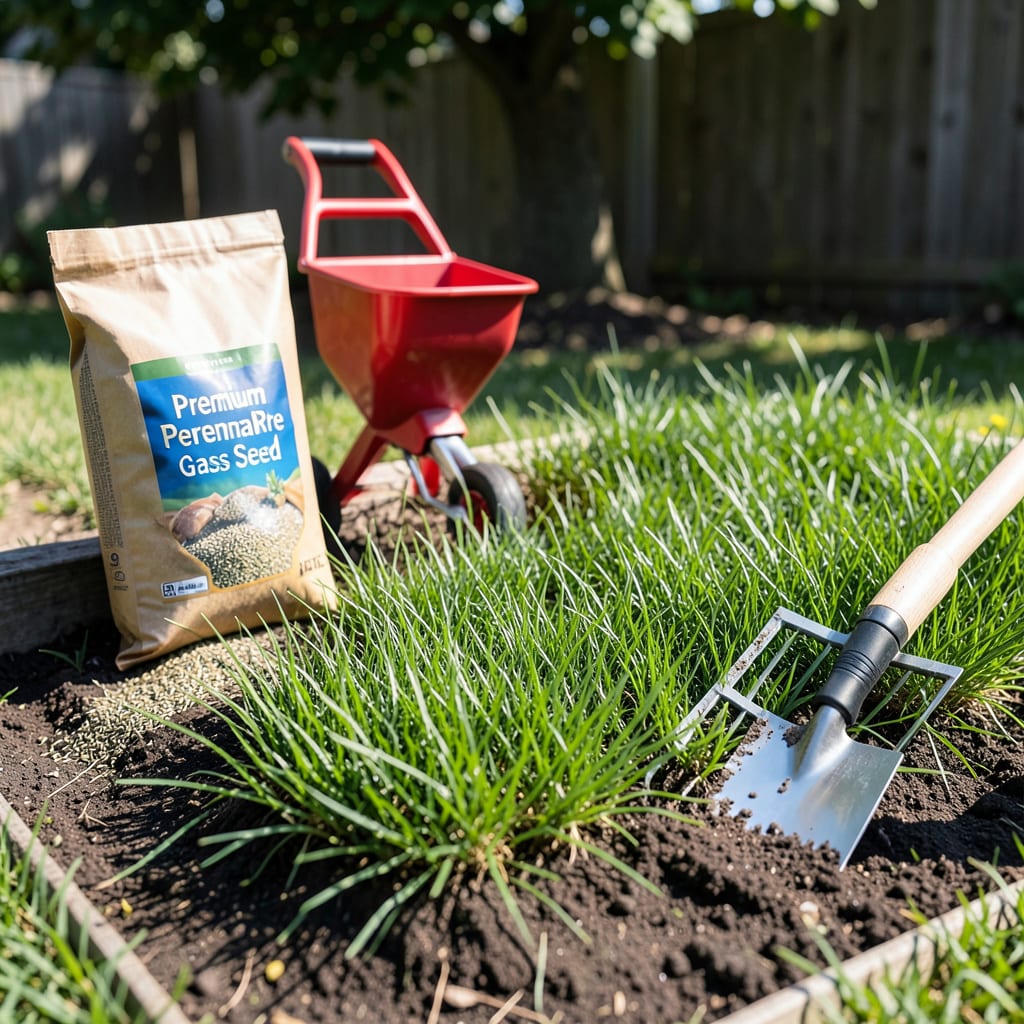
Timing your rye grass planting in Oklahoma can mean the difference between a lush winter lawn and a patchy disappointment. Plant too early, and summer’s lingering heat might wipe it out. Wait too long, and frost could stunt its growth before it even gets started.
After years of testing and local research, I’ve nailed down the perfect window for Oklahoma’s unpredictable climate—especially in Zone 7a. Whether you’re overseeding a lawn or prepping pasture, I’ll show you exactly when to sow for faster germination and stronger winter cover. Let’s get it right the first time.
If you’re looking to plant rye grass in Oklahoma, timing is critical. This cool-season grass thrives when planted in early fall, giving roots time to establish before winter. Oklahoma’s diverse climate means planting windows vary by region—Northern, Central, and Southern areas each have unique frost dates and soil conditions.
For most of the state, September through mid-October is ideal. This window ensures seeds germinate in warm soil but avoids late-summer heat stress. I’ll break down the specifics by region so you can plan with confidence. The key is to plant 4–6 weeks before the first frost in your area.
In Northern Oklahoma, aim to plant by early October. This region experiences earlier frosts, so seeds need extra time to establish. I’ve seen gardens struggle when planted after October 10—the grass often fails to root deeply before dormancy.
Central Oklahoma has a slightly longer window, thanks to milder falls. Here, you can push planting to mid-October without major risks. Just monitor soil temps—if they dip below 50°F, germination slows dramatically.
Down in Southern Oklahoma, you’ve got until early November to plant. The warmer climate allows for later seeding, but don’t wait too long. November-planted rye grass may not mature enough to survive winter cold snaps.
Soil temperature is your best planting guide. Use a soil thermometer to check depths of 2–3 inches. If it’s consistently between 55°F–65°F, you’re in the sweet spot. Planting in cooler soil risks poor germination.
If you’re using rye grass for lawn overseeding, plant 2–3 weeks earlier than for pasture or cover crops. This gives it a head start to compete with dormant warm-season grasses like Bermuda.
For erosion control or cover cropping, timing is less critical, but earlier planting ensures better winter coverage. I recommend seeding by mid-October statewide to maximize benefits.
Pro tip: If you miss the fall window, dormant seeding in late winter (February) can work, but results are less reliable. The grass may not establish as strongly before summer heat arrives.
Finally, always check your local frost dates—Oklahoma’s weather can be unpredictable! The OSU Extension offers county-specific guides if you need hyper-local advice. Happy planting! 🌱
Planting rye grass in Oklahoma isn’t just about timing—it’s also about preparation. I’ve found that proper soil prep and seed selection make all the difference between a patchy lawn and lush winter cover. Let’s walk through the key steps to ensure your rye grass thrives.
Start with a soil test to check pH levels. Rye grass prefers slightly acidic soil (pH 6.0–7.0). If your soil is too alkaline, amend it with sulfur or peat moss a few weeks before planting. This gives amendments time to work into the soil.
Don’t skip tilling! Planting rye grass on compacted soil leads to poor germination. Till to 2–3 inches deep and rake smooth for best seed-to-soil contact.
Over-seeding is wasteful. Stick to 8–10 lbs per 1,000 sq ft—more isn’t better and can cause fungal issues.
Choose between annual rye grass (faster germination, shorter lifespan) or perennial rye grass (slower start, returns yearly). For Oklahoma winters, I recommend annual varieties like ‘Gulf’ or ‘Marshall’ for quick coverage.
Broadcast seeds evenly using a spreader for large areas or by hand for small patches. Lightly rake seeds into the soil—1/4 inch depth is ideal. Too deep, and they won’t sprout; too shallow, and birds may eat them.
Water immediately after planting with a gentle spray to avoid washing seeds away. Keep soil consistently moist (not soggy) for the first 10–14 days. I use a timer to water early mornings for 10–15 minutes daily.
Fertilize lightly at planting with a 16-4-8 starter fertilizer (1 lb per 1,000 sq ft). Avoid high-nitrogen mixes until after germination. Once established, feed every 6–8 weeks with a balanced fertilizer for winter hardiness.
For lawn overseeding, mow existing grass to 1–2 inches before planting. This reduces competition and helps rye grass reach sunlight. If using for pasture, graze lightly once grass reaches 6–8 inches to encourage tillering.
Monitor for pests like armyworms or leaf spot fungus. Treat early with neem oil or fungicides if needed. With proper care, your rye grass will provide vibrant winter cover until spring! 🌿
When choosing a winter cover crop in Oklahoma, rye grass is a top contender—but how does it stack up against alternatives like winter wheat, clover, or fescue? Each has unique strengths depending on your goals, whether that’s erosion control, livestock forage, or lawn beauty.
I’ve tested these options in Oklahoma’s Zone 7a climate and found that rye grass excels in fast germination and quick green-up, making it ideal for overseeding lawns. But if you need cold hardiness or long-term pasture, other crops might win. Let’s compare the best choices for Oklahoma growers.
Rye grass is my go-to for quick winter color in lawns. It germinates in under 10 days and stays green until hard freezes. However, it’s less cold-hardy than wheat or fescue, so it may brown in sub-15°F snaps. For Oklahoma’s mild winters, this is rarely an issue.
If you’re planting for livestock forage or soil improvement, winter wheat is the winner. It handles single-digit temps and provides high-quality grazing all winter. The trade-off? Slower establishment and a less lush appearance than rye grass.
For nitrogen fixation and pollinator support, crimson clover shines—but it’s not frost-tolerant. In Southern Oklahoma, it thrives, but north of I-40, it often winter-kills. Tall fescue is the most drought-resistant but grows slowly and can be invasive.
For most Oklahoma gardeners, I recommend rye grass for lawns and winter wheat for pastures. Mixing them? Try 50% rye grass + 50% wheat for a balance of speed and hardiness. Always match your choice to your primary goal—beauty, forage, or soil health! 🌿
Planting before September risks heat stress and poor germination. Rye grass thrives in cool weather, so summer’s high temps can cause seeds to dry out or fail to sprout. Wait until soil temps drop below 70°F for best results.
Spring planting is possible but less ideal. The grass will grow quickly but often dies in summer heat. For year-round coverage, overseed in fall and consider mixing with heat-tolerant grasses like Bermuda.
Check two key factors: temperature (55°F–65°F at 2-inch depth) and moisture (damp but not soggy). Use a soil thermometer and squeeze test—if soil crumbles when squeezed, it’s too dry.
Annual rye grass grows fast but dies after one season, perfect for temporary winter cover. Perennial varieties return yearly but establish slower. For Oklahoma, annual types like ‘Gulf’ are most popular for quick green-up.
Annual rye grass typically dies in summer heat. Perennial types may survive but often thin out. For persistent coverage, plan to replant each fall or mix with permanent grasses.
