
Beautiful Plants For Your Interior
Beautiful Plants For Your Interior
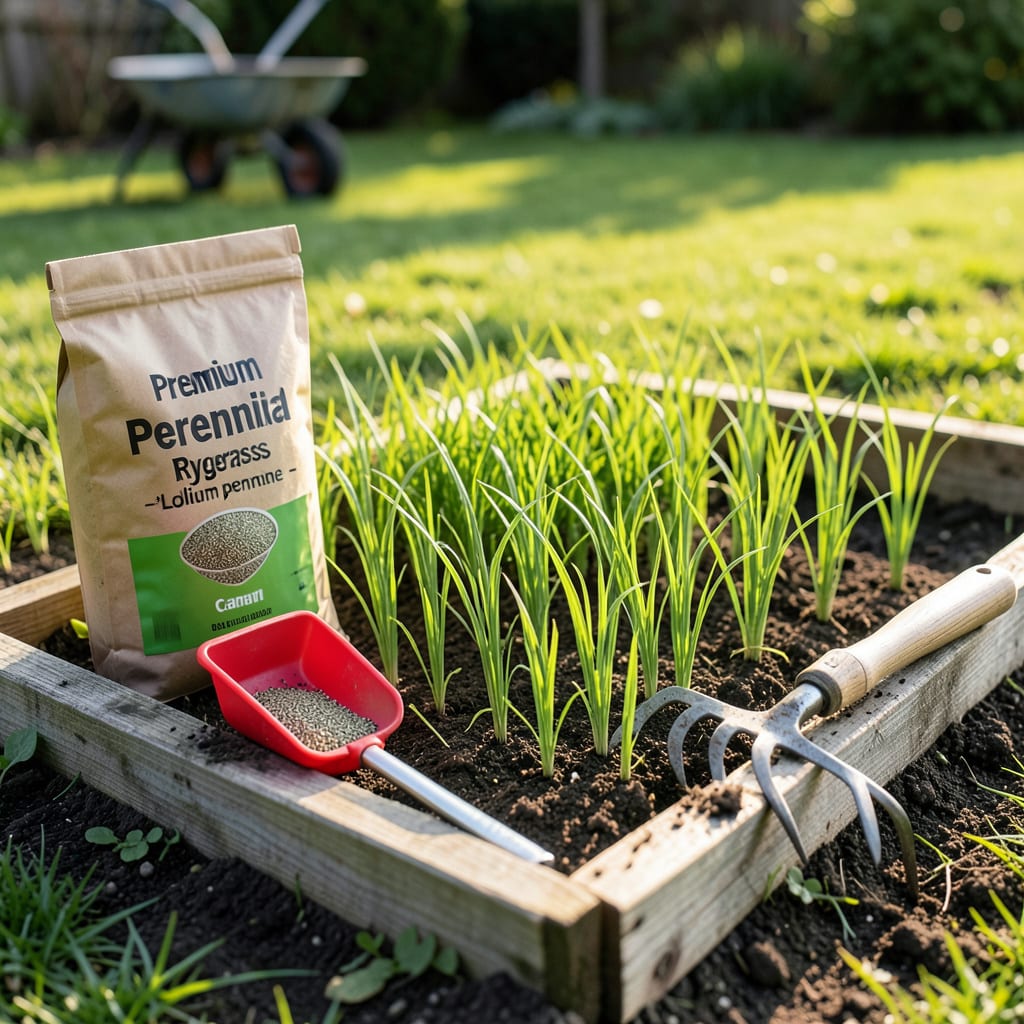
Timing your rye grass planting in Louisiana can mean the difference between a lush winter lawn and a patchy disappointment. Our humid subtropical climate demands precision—plant too early, and summer’s lingering heat will fry those tender seedlings before they establish.
I’ve tested the ideal windows across Zones 8a–9b, and the sweet spot is narrower than you’d think. Whether you’re overseeding a Bermuda lawn or prepping a cover crop, I’ll show you exactly when to sow for faster germination and thicker growth—without the guesswork.
If you’re dreaming of a lush, green lawn through Louisiana’s mild winters, rye grass is your secret weapon. But timing is everything in our humid subtropical climate. Plant too early, and the lingering summer heat will fry those tender seedlings. Wait too long, and winter frost might stunt their growth before they establish.
Louisiana spans USDA Zones 8a–9b, meaning our first frost dates range from early November in the north to late December along the coast. For annual rye grass, you’ll want to seed 4–6 weeks before your first expected frost. This gives roots time to dig in before winter sets in.
| Region | Zone | Ideal Planting Months | First Frost Date |
|---|---|---|---|
| North Louisiana | 8a | Sept 1–Oct 15 | Nov 1–15 |
| Central Louisiana | 8b | Sept 15–Oct 30 | Nov 15–30 |
| South Louisiana | 9a–9b | Oct 1–Nov 15 | Dec 1–15 |
Pro Tip: For overseeding warm-season lawns (like Bermuda), plant rye grass 2–3 weeks earlier than the dates above to ensure full coverage before dormancy.
In North Louisiana (think Shreveport or Monroe), you’ll want to start seeding by early September. The cooler nights up north mean soil temps drop faster, and you’ll need those extra weeks for establishment. I’ve seen lawns struggle when planted after October 15—the roots just don’t get deep enough before frost.
Down in South Louisiana (New Orleans, Lafayette, or Houma), our Zone 9b climate stays warmer longer. Here, you can push planting to early November and still get great results. Just watch the soil temperature—aim for 60–65°F at a 2-inch depth. A cheap soil thermometer is a game-changer for this!
For spring planting (less common but useful for quick green-up), target February–early March. This works well if you’re using rye grass as a temporary lawn before transitioning to warm-season grasses like Zoysia or St. Augustine in late spring. Just know it’ll die out when temps hit 85°F+.
If you’re using rye grass as a cover crop in veggie gardens, plant 2–3 weeks earlier than lawn dates. This gives it time to establish before you till it under in late winter. I love using ‘Marshall’ annual ryegrass for this—it germinates in just 5–7 days and suppresses weeds like a champ.
One mistake I see often? Planting too shallow. Rye grass seed needs ¼–½ inch of soil coverage. Use a rake or a lawn roller after broadcasting to ensure good seed-to-soil contact. And don’t skimp on seed—aim for 5–10 lbs per 1,000 sq ft for a thick, weed-resistant lawn.
Watering is critical for the first 10–14 days. Keep the soil consistently moist (not soggy!) with light daily watering. Once germinated, cut back to 1 inch per week, including rain. Louisiana’s winter rains often handle this for us, but check your rain gauge—our “gully washers” can be deceiving!
Finally, resist the urge to fertilize heavily in fall. A light application of 16-4-8 fertilizer at planting is plenty. Save the big feeds for early spring (late February) when growth kicks into high gear. And if you’re overseeding, mow your warm-season grass short (1 inch) first to reduce competition.
Getting rye grass established in Louisiana’s sticky, unpredictable climate takes more than just tossing seed on the ground. I’ve learned the hard way that soil prep and timing make all the difference. Start by testing your soil—rye grass thrives in pH 5.5–7.0, but our heavy clay soils often need amending.
Mix in 2–3 inches of compost or sand to improve drainage, especially in low-lying areas prone to flooding. For lawns, mow your existing grass short (1 inch) before overseeding. This reduces competition and lets sunlight reach the new seedlings. If you’re planting a new lawn, till the soil to a 4–6 inch depth for better root penetration.
Pro Tip: For overseeding Bermuda lawns, reduce your rye grass rate to 3–5 lbs per 1,000 sq ft to avoid crowding.
Watering is where most folks go wrong. For the first two weeks, water daily with a light mist (just enough to keep the top inch of soil damp). After germination, switch to deep watering—1 inch per week, including rain. Louisiana’s winter rains often handle this, but don’t rely on them. A rain gauge is your best friend here.
Once your rye grass reaches 3–4 inches tall, it’s time for the first mow. Set your mower to 1.5–2 inches and never remove more than ⅓ of the blade at once. This keeps the grass thick and prevents scalping. For cover crops, let it grow to 6–12 inches before mowing or tilling under in late winter.
Fertilizing in Louisiana’s climate requires finesse. Skip the heavy feeds in fall—too much nitrogen leads to weak, frost-sensitive growth. Instead, apply a light dose (½ lb N per 1,000 sq ft) at planting, then wait until late February for a full feed (1 lb N per 1,000 sq ft). Use a slow-release 16-4-8 to avoid burning tender roots.
Watch for common mistakes: planting too deep (seeds won’t sprout), skipping the soil test (our clay often lacks phosphorus), or overwatering (rye grass hates soggy feet). If you’re in coastal areas, rinse seedlings with fresh water after heavy rains to reduce salt buildup. And if brown patch fungus appears, cut back on evening watering and apply a copper-based fungicide.
For spring-planted rye grass, adjust your approach. Seed in February–early March for a quick green-up, but expect it to die out by late May as temps rise. This works great for temporary lawns or erosion control on construction sites. Just don’t overseed warm-season grasses until soil temps hit 65°F+ in late spring.
When choosing a cool-season grass for Louisiana, rye grass often steals the spotlight—but it’s not your only option. Our Zone 8–9 climate demands grasses that handle humidity, mild winters, and quick transitions to summer heat. Let’s compare how rye stacks up against fescue and bluegrass.
Rye grass shines for fast germination (just 5–7 days) and quick green-up, making it ideal for overseeding warm-season lawns like Bermuda or Zoysia. It’s also cheaper per pound than fescue, which matters when covering large areas. But it’s an annual, so you’ll replant every fall.
| Grass Type | Cold Tolerance | Drought Resistance | Best Use in LA | Lifespan |
|---|---|---|---|---|
| Annual Ryegrass | Moderate (to 20°F) | Low (needs water) | Overseeding, quick cover | 1 season |
| Perennial Ryegrass | High (to 10°F) | Medium | Permanent lawns (mix with fescue) | 3–5 years |
| Tall Fescue | Very High (to 5°F) | High | Year-round lawns (North LA) | 5–7 years |
| Kentucky Bluegrass | Moderate (to 25°F) | Low | Mixed lawns (needs shade) | 3–5 years |
Pro Tip: For South Louisiana, stick with annual ryegrass—it handles our warmer winters better than bluegrass.
Tall fescue is the toughest option, surviving drought and heat better than rye. It’s perfect for North Louisiana lawns where winters dip colder. But it germinates slower (14–21 days) and costs more. I recommend ‘Titan’ or ‘Kentucky 31’ for our clay soils.
Kentucky bluegrass struggles in most of Louisiana—it needs cooler temps and more water than we can reliably provide. It’s best mixed with fescue in shady, well-drained spots up north. Down south? Skip it entirely.
For overseeding warm-season lawns, rye grass is king. It germinates fast, competes well with dormant Bermuda, and dies out naturally by late spring. Use ‘Gulf’ annual ryegrass at 5 lbs/1,000 sq ft for quick, dense coverage. Just mow it short before your warm-season grass wakes up!
If you’re planting a permanent cool-season lawn, mix perennial ryegrass (30%) with tall fescue (70%). This combo handles our winter wetness and spring heat spikes better than either alone. In coastal areas, add 10% white clover to improve nitrogen and salt tolerance.
Aim for 60–65°F at a 2-inch depth. Louisiana’s clay soils warm up slowly in fall, so use a soil thermometer to check. Planting in cooler soil delays germination and weakens seedlings before winter.
In South Louisiana (Zone 9b), you can plant up to mid-December if winters stay mild. North of I-10? Skip it—frost risk is too high. Opt for early spring planting (February) instead for better results.
Use 25–50 lbs of rye grass seed for full coverage. For overseeding Bermuda, stick to 15–25 lbs to avoid crowding. Always divide the area into sections and spread evenly for consistent growth.
Not if managed properly. Mow rye grass short (1 inch) in late March as Bermuda wakes up. The heat will naturally kill rye by May, giving your warm-season grass room to thrive.
Planting too shallow or too deep. Seed needs ¼–½ inch of soil coverage. Too shallow? Birds eat it. Too deep? It won’t sprout. Use a lawn roller after broadcasting to ensure perfect contact.
