
Beautiful Plants For Your Interior
Beautiful Plants For Your Interior
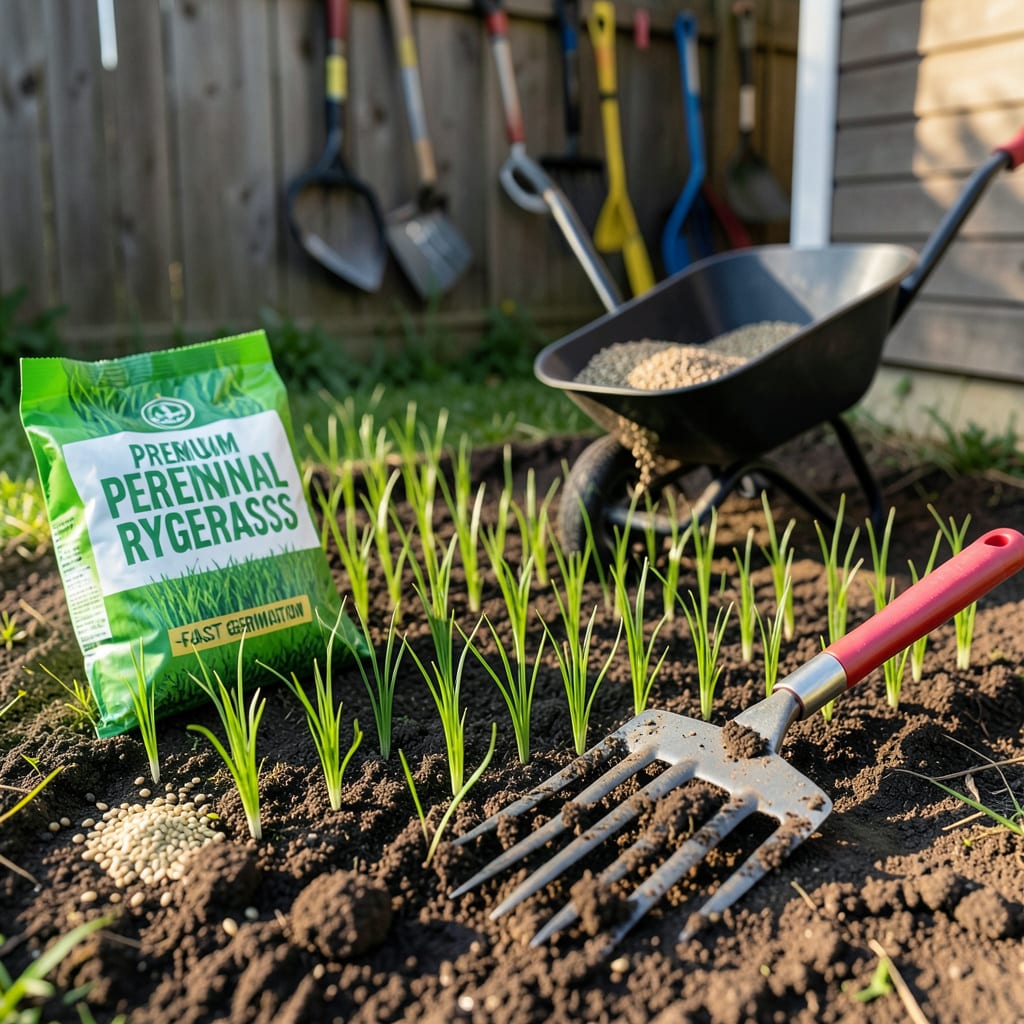
Timing your ryegrass planting in Georgia can make or break your winter lawn. Plant too early, and summer’s lingering heat will fry those tender seedlings. Wait too long? Frost might stunt growth before it even gets started.
After years of testing, I’ve nailed the perfect fall window for lush, green ryegrass that thrives through winter. Whether you’re in Atlanta or Savannah, I’ll show you exactly when to plant—and why those 4-6 weeks before the first frost are your golden opportunity.
If you’re dreaming of a vibrant green lawn all winter long, timing your rye grass planting in Georgia is critical. The Peach State’s diverse climate means what works in North Georgia won’t always suit South Georgia. I’ve tested this firsthand—plant too early, and summer’s lingering heat fries tender seedlings. Wait too late, and frost stunts growth before roots establish.
Georgia spans USDA Zones 7a–9a, so your ideal window shifts by region. The golden rule? Aim for 4–6 weeks before your first frost, when soil temps hover around 60–65°F. That’s typically mid-September to early November, but let’s break it down by area so you nail the timing.
🌱 Pro Tip: Urban areas (like Atlanta) may have microclimates that are 5–10°F warmer. Adjust planting dates 1–2 weeks later if you’re in a heat island.
In North Georgia, I’ve found that planting by October 1 gives roots enough time to establish before frost. If you’re in South Georgia, you can push your planting date closer to mid-November thanks to milder winters. Always check your local frost dates—they’re more reliable than zone generalizations.
Soil temperature is your best friend here. Use a soil thermometer (or check local ag extension reports) to confirm temps are in the 60–65°F range. If the soil’s too warm, seeds may germinate but then struggle with heat stress. Too cold, and they’ll rot before sprouting.
For annual ryegrass (like Lolium multiflorum), stick to fall planting—it won’t survive Georgia’s summers. Perennial ryegrass (Lolium perenne) can be planted in early spring (Feb–March) for year-round lawns, but it requires more maintenance in our heat.
If you’re overseeding a Bermuda lawn, time your ryegrass planting after the Bermuda starts browning (usually late September) but before soil temps drop below 55°F. This gives the ryegrass a head start without competing with warm-season grass.
Still unsure? Here’s my foolproof trick: Plant when nighttime temps consistently hit 50–55°F. That’s when soil conditions are just right for germination. And don’t forget—water lightly daily for the first two weeks to keep the seedbed moist but not soggy.
One last thing: Avoid planting during a drought or after heavy rains. Ryegrass seeds need consistent moisture to germinate, but they’ll rot in waterlogged soil. If Mother Nature isn’t cooperating, consider irrigating lightly every morning until sprouts appear.
Now that you’ve got the timing down, the next step is prepping your soil. But that’s a story for the next section—where I’ll walk you through seed selection, soil tests, and the seeding rates that’ll give you the lushest winter lawn on the block. 🌿
Now that you know when to plant, let’s dive into the how. I’ve planted rye grass across Georgia for years, and the difference between a patchy lawn and a lush green carpet often comes down to soil prep and seeding technique. Here’s my foolproof method.
Start with a soil test—it’s non-negotiable. Rye grass thrives in pH 5.5–7.0. If your soil’s too acidic, add lime; too alkaline, mix in sulfur. For best results, test 4–6 weeks before planting so amendments have time to work.
Mow existing grass to 1–1.5 inches and rake up debris. Loosen top ¼ inch of soil with a garden rake or dethatcher. This ensures seed-to-soil contact, which is critical for germination.
For winter lawns, annual ryegrass (Lolium multiflorum) is ideal. Use 8–10 lbs per 1,000 sq ft. For year-round lawns, blend with perennial ryegrass (Lolium perenne) at a 70/30 ratio.
Use a broadcast spreader for large areas or hand-seed small patches. Divide seed into two equal parts and spread in perpendicular directions for even coverage. Lightly rake to cover seeds with ¼ inch of soil.
Water lightly daily (or twice daily if temps exceed 80°F) for the first 10–14 days. Keep soil moist but not soggy. After germination, shift to deep watering 2x weekly (1 inch total).
Apply a starter fertilizer (10-10-10 or 16-4-8) at planting. Mow when grass reaches 3–4 inches, never removing more than ⅓ of the blade. Avoid heavy traffic for 4–6 weeks post-germination.
I always recommend overseeding if you’re planting into an existing lawn. This fills in bare spots and improves density. For best results, aerate your lawn 2–3 weeks before seeding to reduce compaction and improve seed contact.
If you’re dealing with weeds, apply a pre-emergent herbicide 6–8 weeks before planting—but skip it if seeding, as it’ll prevent rye grass from germinating. For existing weeds, hand-pull or spot-treat with post-emergent herbicide 3 weeks before planting.
In North Georgia, I’ve had great success with ‘Gulf’ annual ryegrass for its cold tolerance. For South Georgia, ‘Marshall’ performs well in warmer winters. Always check the seed label for germination rates—aim for 85% or higher.
Pro tip: Mix your rye grass seed with sand or compost (1:1 ratio) for even distribution, especially in windy areas. This also helps you see where you’ve already seeded, preventing over- or under-application.
Once your rye grass is established, maintain it with monthly fertilizer (high nitrogen) and regular mowing. In spring, gradually reduce watering to encourage dormancy if you’re transitioning back to warm-season grass. 🌱
Even with perfect timing, small mistakes can sabotage your rye grass lawn. After years of trial and error (and a few disappointing patches of brown), I’ve identified the five biggest blunders Georgia gardeners make—and how to sidestep them.
First up: planting over dormant Bermuda too early. I see this every year—eager gardeners seed in late August, only for the rye grass to get outcompeted by still-active Bermuda. Wait until your Bermuda is at least 50% brown before overseeding.
Rye grass hates acidic soil. Without testing, you risk pH below 5.5, which locks out nutrients. Test 4–6 weeks before planting to adjust with lime or sulfur.
Seeds need consistent moisture—not drowning. Water lightly daily for 10–14 days, then shift to 1 inch weekly. Soggy soil = rot; dry soil = poor germination.
Too little seed = patchy lawn; too much = wasted money. Stick to 8–10 lbs per 1,000 sq ft for annual rye. Use a spreader for even coverage.
Pre-emergent herbicides block rye grass seeds too. Skip them when seeding. For existing weeds, hand-pull or spot-treat 3 weeks before planting.
Annual ryegrass (Lolium multiflorum) is best for winter lawns. Perennial ryegrass (Lolium perenne) struggles in GA’s summers unless blended with fescue.
Another critical error? Planting too deep. Rye grass seeds need light to germinate, so cover them with just ¼ inch of soil. Bury them deeper, and they’ll fail to sprout. Use a leaf rake to gently work seeds into the soil surface.
I’ve also seen gardeners skip starter fertilizer, thinking their soil is “rich enough.” Rye grass is a heavy feeder—apply a 10-10-10 or 16-4-8 fertilizer at planting to fuel early growth. Without it, your lawn may stay pale and weak all winter.
Finally, don’t forget about post-planting care. Many assume that once the seeds are down, their work is done. Wrong! Mow your rye grass when it reaches 3–4 inches, but never remove more than ⅓ of the blade at once. This keeps it thick and healthy without stressing the roots.
🌱Aim for 60–65°F soil temps—this ensures quick germination without heat stress. Use a soil thermometer to check, or plant when nighttime air temps consistently hit 50–55°F. Too warm? Seeds may sprout but struggle.
Not recommended. Annual rye grass won’t survive Georgia’s summer heat. For year-round lawns, opt for perennial ryegrass blended with fescue, planted in February–March. Even then, expect extra watering and care.
Wait until at least 50% of your Bermuda turns brown (usually late September). Test by tugging a few blades—if they pull out easily, it’s dormant. Overseeding too early means rye grass will compete with still-active Bermuda.
Skipping the soil test! Rye grass fails in acidic soil (pH below 5.5). Test 4–6 weeks before planting to adjust with lime or sulfur. Without this step, you risk patchy growth no matter how perfect your timing.
With proper moisture, rye grass germinates in 5–10 days. You’ll see a full lawn in 3–4 weeks. Keep soil moist (not soggy) during this period—light daily watering works best. Water deeply 2x weekly once established.
