
Beautiful Plants For Your Interior
Beautiful Plants For Your Interior
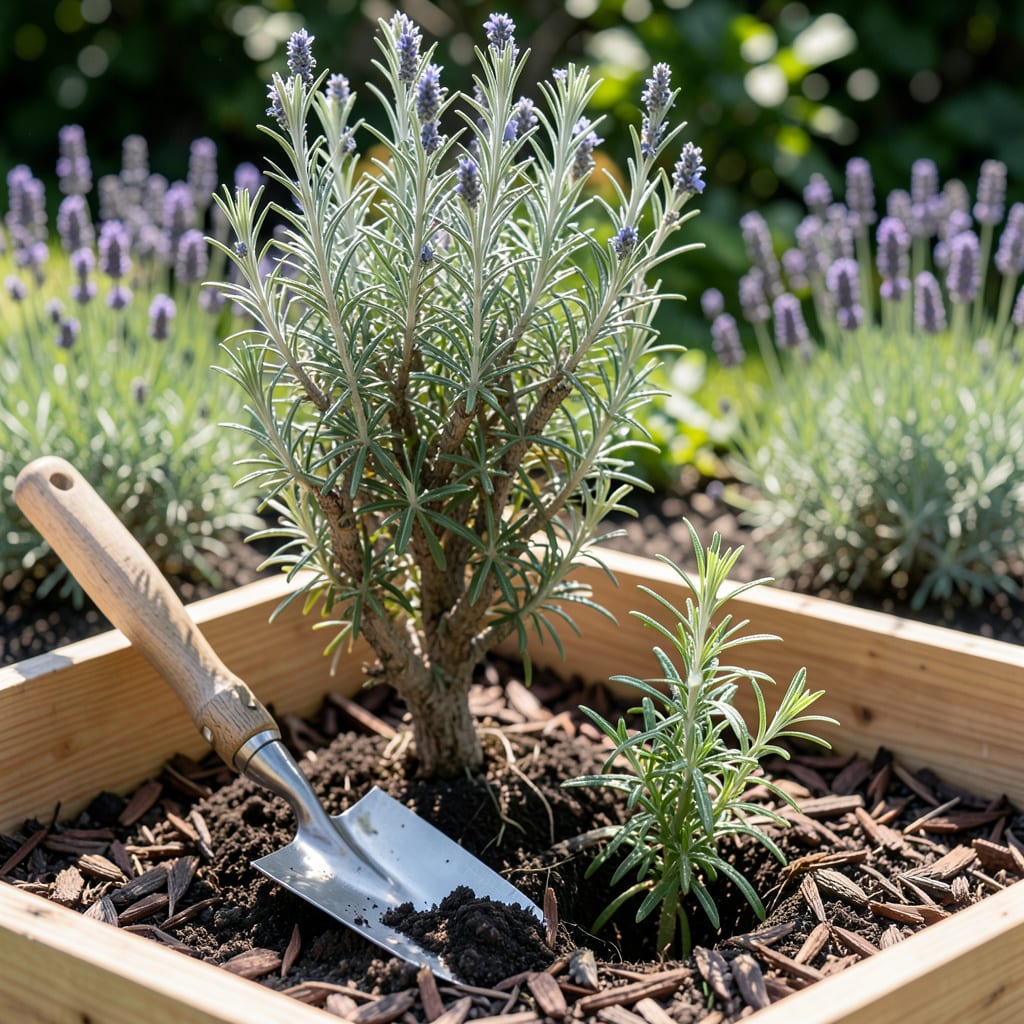
Timing can make or break your 🌿 rosemary in Texas—plant it wrong, and you might end up with a sad, struggling herb instead of a thriving, fragrant bush. Our unpredictable weather means what works in North Texas won’t always fly in the Gulf Coast.
After years of testing (and a few failed attempts), I’ve nailed down the exact planting windows for zones 7a-9b. Whether you’re in Dallas or San Antonio, I’ll show you when to get those cuttings in the ground for year-round success.
If you’ve ever tried growing rosemary in Texas, you know our wild weather swings can make or break your success. The key? Matching your planting time to your specific Texas zone. North Texas gardeners face frost risks, while South Texas growers battle scorching summers. Let’s break it down.
I’ve found that spring (February–April) and fall (September–October) are the golden windows for Texas rosemary. But those dates shift dramatically across the state. For example, San Antonio can plant earlier than Dallas by 3–4 weeks. Here’s how to nail your timing.
| Zone | Region | Spring Planting | Fall Planting |
|---|---|---|---|
| 7a–8a | North Texas (Dallas, Fort Worth) | March–April | September–October |
| 8b–9a | Central Texas (Austin, San Antonio) | February–March | October–November |
| 9b–10a | South Texas (Houston, Corpus Christi) | January–February | November–December |
Pro Tip: Avoid planting in June–August—Texas heat stresses young rosemary plants.
In North Texas (Zones 7a–8a), your last frost typically hits around March 15. I wait until late March to plant rosemary outdoors, ensuring soil temps stay above 50°F. For fall planting, aim for September–early October to give roots time to establish before winter.
Central Texas (Zones 8b–9a) has a longer growing season, but our alkaline clay soil can be tricky. Amend your soil with compost or sand before planting in February–March. Fall plantings thrive in October, just before cooler temps arrive. Austin gardeners, take note: our unpredictable freezes mean mulching heavily in December.
Down in South Texas (Zones 9b–10a), you’re practically in a subtropical paradise for rosemary. Plant as early as January for spring growth or in November for winter harvests. The biggest challenge here? Overwatering in our humid climate. Let the soil dry completely between waterings—rosemary hates wet feet!
For container planting, you’ve got more flexibility. I start rosemary in pots 4–6 weeks before the outdoor planting window. This gives plants a head start, especially in zones with short springs. Use a well-draining potting mix (add perlite or sand) and place containers where they’ll get 6+ hours of sun daily.
Watch your soil temperature—rosemary roots struggle below 50°F. A simple soil thermometer (or checking local ag extension reports) saves guesswork. In West Texas, where nights stay cool, consider black plastic mulch to warm the soil faster in spring. East Texas gardeners, your humidity means spacing plants 3–4 feet apart for airflow.
If you miss the ideal window, don’t panic. Nursery-started rosemary can be planted slightly later if you harden it off first. Just avoid transplanting during heatwaves or when temps dip below 30°F. And remember: rosemary is drought-tolerant once established, but young plants need consistent moisture (not soggy soil!) for the first month.
For the best results, pair your planting timing with proper site selection. Rosemary thrives in full sun (6+ hours) and poor-to-average soil—no need for rich garden loam. In fact, too-fertile soil can lead to leggy growth with less flavor. If your soil is heavy clay, plant on a slight mound or in raised beds to improve drainage. ✅
Even with perfect timing, a few common mistakes can doom your 🌿 Texas rosemary before it gets established. I’ve seen gardeners lose plants not from bad luck, but from avoidable errors—especially with our clay soil and extreme heat. Let’s fix these before you plant.
The biggest killer? Overwatering in poorly draining soil. Rosemary’s Mediterranean roots mean it thrives in dry, rocky conditions—not our heavy Texas clay. If your soil stays soggy 24 hours after watering, you’re drowning your plant. I’ll show you how to test drainage and amend soil properly.
Quick Fix: For clay soil, plant rosemary on a 6-inch mound of amended soil to improve drainage.
Another silent rosemary killer? Planting too deep. Bury the stem more than 1 inch, and you risk stem rot. I always plant so the soil line matches the nursery pot’s level. For bare-root plants, ensure the crown sits slightly above ground to prevent moisture buildup.
Neglecting airflow is especially dangerous in humid East Texas. Rosemary needs space between plants—I recommend 3–4 feet apart—to prevent fungal issues. In containers, avoid crowding with other herbs; rosemary’s woody stems don’t play well with moisture-loving plants like basil.
Many Texas gardeners assume rosemary is “plant-and-forget”, but young plants need consistent moisture (not soggy soil!) for the first month. After establishment, you can cut back to deep watering every 10–14 days. Use a moisture meter if you’re unsure—rosemary prefers the dry side of “moist but not wet.”
Finally, don’t ignore pH levels. Texas soils often lean alkaline (pH 7.5+), but rosemary prefers 6.0–7.0. A simple soil test kit from your local extension office can save you headaches. If your pH is too high, mix in elemental sulfur or plant in raised beds with acidic compost.
If you’ve made these mistakes before, don’t worry—even experienced gardeners get tripped up by Texas’s unique conditions. The key is adjusting your approach: less water, more sun, and better drainage than you’d expect. Follow these fixes, and you’ll see your rosemary thrive where others have struggled. 🌱
Not all 🌿 rosemary varieties handle Texas weather equally. Our scorching summers and occasional cold snaps demand careful selection. I’ve tested dozens of cultivars across the state, and a few stand out for their resilience. The key difference? Upright vs. prostrate growth habits and their heat tolerance.
For North Texas gardeners (Zones 7a–8a), where winter freezes are real, I recommend ‘Arp’ rosemary. This hardy upright variety survives temps down to 10°F—perfect for Dallas winters. It grows 4–6 feet tall, making it ideal for hedges or focal points. Just give it full sun and well-draining soil.
| Variety | Growth Habit | Heat Tolerance | Cold Hardiness | Best For |
|---|---|---|---|---|
| Arp | Upright (4–6 ft) | High (100°F+) | 10°F | North Texas winters |
| Tuscan Blue | Upright (3–5 ft) | Extreme (110°F+) | 20°F | Central/South Texas |
| Prostratus | Creeping (1–2 ft) | High (105°F+) | 15°F | Ground cover, containers |
Note: All varieties need well-draining soil and full sun (6+ hours).
In Central and South Texas (Zones 8b–10a), ‘Tuscan Blue’ is my top pick. This upright variety laughs at 100°F+ temps and keeps its robust flavor. It’s less cold-hardy (20°F minimum), but that’s rarely an issue in San Antonio or Houston. For container gardening, its 3–5 foot height works well in large pots.
Need a low-growing option? ‘Prostratus’ (Creeping Rosemary) thrives statewide. Its trailing habit (1–2 feet tall, spreading 4–8 feet) makes it perfect for rock gardens or cascading over walls. It handles heat and humidity better than upright types, though it’s slightly less cold-hardy (15°F). I love it for East Texas, where humidity can be an issue.
For Gulf Coast gardeners (Zone 9b–10a), where humidity and salt air are challenges, ‘Blue Spires’ is a hidden gem. Its narrow, upright form (4–5 feet) resists fungal issues common in humid climates. Pair it with lavender or Mexican oregano for a drought-tolerant, pollinator-friendly combo that thrives in coastal conditions.
No matter which variety you choose, remember: Texas rosemary care starts with proper spacing. Give upright types 3–4 feet between plants, and creeping varieties 6–8 feet to spread. In containers, ensure pots are at least 12 inches deep with drainage holes. With the right variety and care, you’ll enjoy fresh rosemary year-round—even through our wild Texas weather! 🌱
Spring (March–April) is ideal for North Texas (Zones 7a–8a) because it gives plants time to establish before summer heat. However, fall (September–October) works well too—just avoid late plantings that won’t root before frost.
In Zones 9b–10a (Houston, Corpus Christi), rosemary thrives as a perennial. Plant in January–February for spring growth or November–December for winter harvests. Just watch for overwatering in humid summers.
Newly planted rosemary needs shade cloth (30–50%) during 100°F+ days. Water deeply every 3–4 days (not daily!) and mulch with gravel or sand to keep roots cool. Avoid planting in peak summer.
Mix 50% native soil with 30% compost and 20% perlite/sand. For containers, use a cactus/succulent mix. Plant on a 6-inch mound if drainage is poor—this prevents root rot in heavy clay.
