
Beautiful Plants For Your Interior
Beautiful Plants For Your Interior
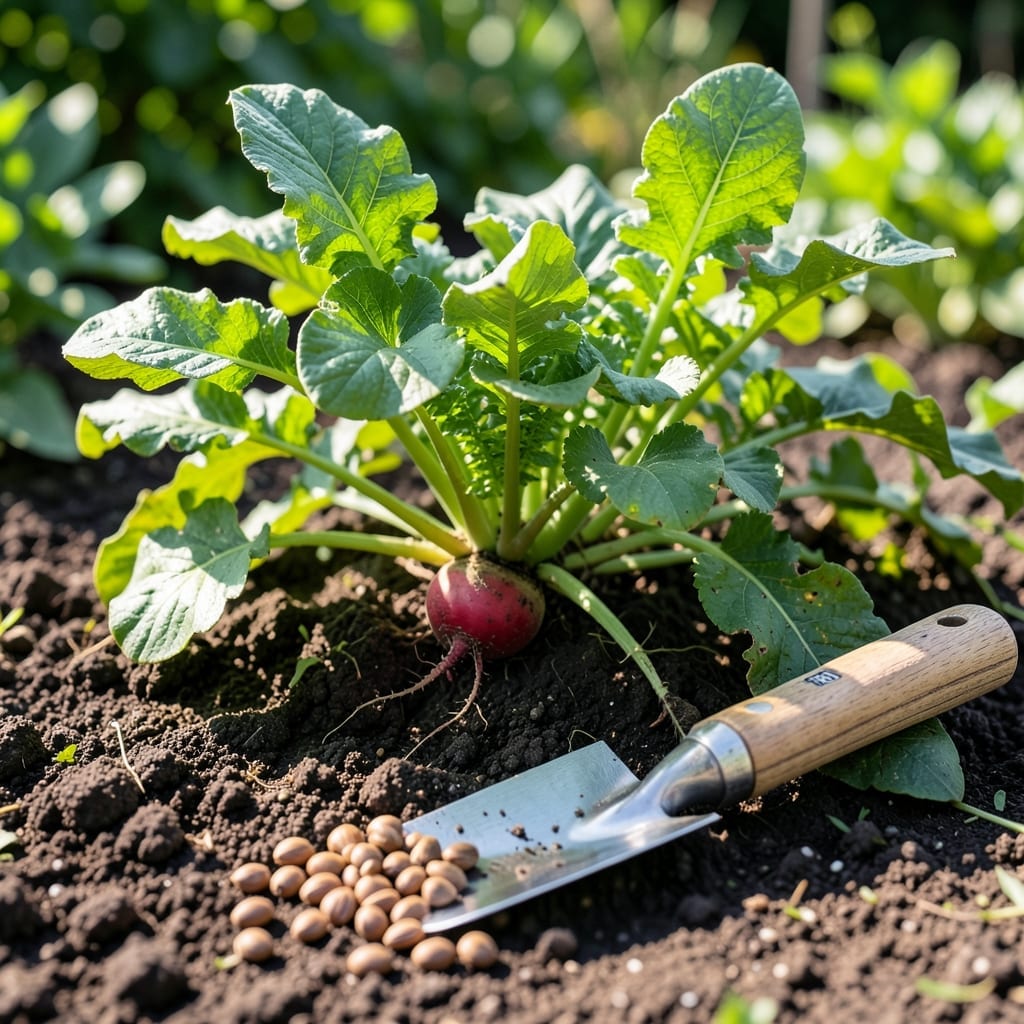
Timing is everything when it comes to growing crisp, flavorful 🥕 Radishes in Nebraska’s unpredictable climate. Plant too early or too late, and you might end up with woody roots or a failed crop.
With USDA Zone 5b conditions, knowing the right windows is the key to success. Spring and fall offer the best chances for thriving Radishes, but timing varies across the state.
I’ll show you exactly when to get those seeds in the ground for a bountiful harvest. Whether you’re in eastern or western Nebraska, these insights will help you avoid common pitfalls.
Discover how to work with Nebraska’s frost dates and soil temperatures to grow perfect Radishes every time. Let’s dig into the details.
Nebraska’s USDA zones 4-5 create unique challenges for radish planting. The key is timing your sowing to avoid summer heat and hard frosts. Radishes thrive in cool weather, making spring and fall ideal.
For most of Nebraska, early spring planting starts 4-6 weeks before the last frost date, typically mid-March to early April. In western Nebraska, where it’s drier, you might start slightly later.
| Season | Planting Window | Notes |
|---|---|---|
| Spring | Mid-March to early April | 4-6 weeks before last frost |
| Fall | Mid-August to early September | 4-6 weeks before first frost |
| Eastern NE | Early March or late August | Milder climate allows earlier start |
Fall planting offers a second harvest window. Aim for mid-August to early September sowing, again 4-6 weeks before the first frost. This timing helps radishes mature before cold snaps hit.
Soil temperature is critical. Radishes germinate best at 40-70°F. Use a soil thermometer to check conditions. In eastern Nebraska, where winters are milder, you can often plant 1-2 weeks earlier than in the west.
For succession planting, sow new seeds every 7-10 days during the spring window. This ensures a continuous harvest rather than one large batch. Stop planting once temperatures consistently exceed 75°F.
Western Nebraska’s drier climate may require extra irrigation to keep soil moist. Radishes need consistent moisture to prevent woody texture. Consider using drip irrigation for even watering.
If you’re in urban areas like Omaha or Lincoln, microclimates can affect timing. Protected spaces like raised beds warm up faster, allowing slightly earlier planting. Always monitor local weather forecasts for late frosts.
Early varieties like ‘Cherry Belle’ mature in 22-25 days, making them perfect for Nebraska’s short seasons. For fall crops, choose fast-maturing types to beat the frost.
Finally, remember that soil preparation matters as much as timing. Work in compost or aged manure before planting to ensure good drainage and fertility. Radishes grow best in loose, well-draining soil with a pH of 6.0-7.0.
With these timing tips, you’ll enjoy crisp, homegrown radishes all season long 🌱
To enjoy continuous radish harvests in Nebraska, I use succession planting every 2-3 weeks during the growing season. This method ensures a steady supply rather than one large harvest.
Start your first planting 4-6 weeks before the last frost, typically in early March. Then, sow new seeds every few weeks until early May for spring crops.
For fall radishes, begin planting in late August and continue every 2 weeks until mid-September. This timing takes advantage of cooler temperatures, which prevent the radishes from becoming woody or pithy.
I’ve found that eastern Nebraska can often plant a bit earlier in spring due to slightly warmer soil, while western regions may need to wait an extra week or two.
By following this staggered approach, you’ll enjoy fresh, crisp radishes from early spring through late fall, making the most of Nebraska’s growing seasons 🌱