
Beautiful Plants For Your Interior
Beautiful Plants For Your Interior
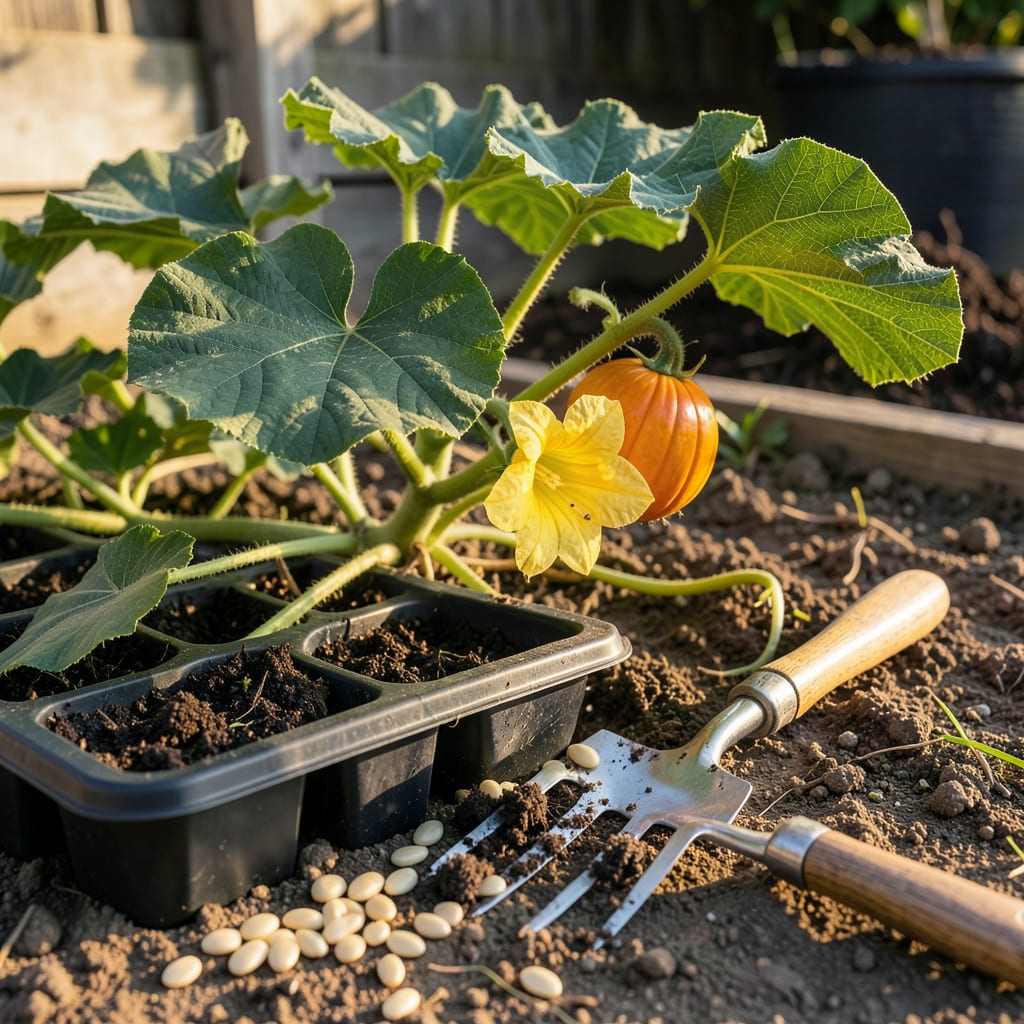
Dreaming of homegrown jack-o’-lanterns but worried about Connecticut’s finicky springs? You’re not alone—one wrong week can mean the difference between a bumper crop and a frost-bitten flop. Here’s the hard-won secret: timing in Zone 6 isn’t just about dates, it’s about soil temps and microclimates.
I’ve helped dozens of CT gardeners crack the code, and the results speak for themselves: 100-pound pumpkins by October. Whether you’re in coastal New Haven or the hills of Litchfield, we’ll pinpoint your perfect planting window—plus the prep steps that double your odds of success. No guesswork, just giant 🎃.
If you’re dreaming of carving your own homegrown jack-o’-lanterns this Halloween, timing your pumpkin planting in Connecticut is non-negotiable. Our Zone 6 climate means you’ve got a narrow window between the last spring frost (typically May 10 in Hartford) and the first fall frost (around October 15). 🌱
Pumpkins are frost-sensitive tropical plants that demand warm soil—at least 60°F—to germinate. Plant too early, and a late frost will wipe out your seedlings. Wait too long, and your pumpkins won’t mature in time for October. The sweet spot? Late May through early June for most of CT. ☀️
| Stage | Action | Timing (Zone 6) |
|---|---|---|
| Soil Prep | Amend with compost, test pH (6.0–6.8) | Early May |
| Direct Sow | Plant seeds 1″ deep, 2–3 per hill | May 15–June 5 |
| Germination | Keep soil moist; seeds sprout in 5–10 days | Late May–June |
| Thin Seedlings | Keep strongest 1–2 plants per hill | 2 weeks after sprouting |
| Harvest | Cut stem with 3–4″ attached; cure in sun | Late Sept–Oct 10 |
Note: Coastal CT (Zone 7a) can plant 1–2 weeks earlier; inland hills (Zone 6a) may need to wait until June 1.
For giant pumpkin varieties like ‘Atlantic Giant’, you’ll need to plant earlier—think May 10–20—since they require 120+ days to mature. Smaller ‘Jack-O’-Lantern’ types (like ‘Howden’) can go in up to early July and still ripen by Halloween. Always check your local frost dates—Litchfield County often frosts a week earlier than New Haven. 🌡️
Pro tip: Use a soil thermometer to confirm your planting bed is 60°F at 4″ depth. If your soil’s too cold, try black plastic mulch to warm it up faster. I’ve seen this trick shave 7–10 days off the wait time in shady yards. Just lay the plastic 2–3 weeks before planting to trap heat. ✂️
If you’re in southeastern CT (Zone 7a), you can push your planting date to May 1 for early varieties. But in northwestern hills (Zone 6a), stick to June 1 to avoid frost risk. Unsure about your zone? Plug your ZIP into the USDA Plant Hardiness Zone Map—it’s my go-to for precise timing. 📌
Remember, pumpkins need 90–120 frost-free days to mature. Count backward from your average first frost date (October 15 for Hartford) to pick your planting window. For example, ‘Connecticut Field’ pumpkins take 100 days, so sow by July 1 at the latest. Planting too late? Switch to fast-maturing varieties like ‘Early Giant’ (85 days). ⏰
Don’t forget soil prep! Pumpkins are heavy feeders—work in 2–3 inches of compost and a balanced fertilizer (10-10-10) before planting. I like to create 3–4’ wide hills spaced 5–6’ apart to give vines room to roam. In small gardens, train vines onto trellises (use slings for fruit support). 🪴
For coastal gardeners, salt spray and wind can stress plants. Erect a windbreak (like burlap on stakes) and rinse leaves with fresh water after storms. Inland? Watch for drought stress—mulch with straw to retain moisture. Both regions should scout for squash bugs and powdery mildew starting in mid-July. 💧
Still nervous about timing? Start seeds indoors 2–3 weeks early in biodegradable pots (like peat or cowpots) to transplant after frost. Just handle seedlings carefully—pumpkins hate root disturbance. Harden them off for 7–10 days before moving outside. I’ve found this method adds 2 weeks of growing time
Even with perfect timing, a few common blunders can sabotage your Connecticut pumpkin patch. I’ve seen gardeners lose entire crops to cold soil or poor pollination—but these mistakes are totally avoidable with the right know-how. Let’s tackle the top five pitfalls. 🌱
First up: planting in chilly soil. Pumpkin seeds won’t germinate below 60°F, and seedlings may rot. Always use a soil thermometer to check temps at 4” depth before sowing. If your soil’s too cold, warm it with black plastic mulch for 2–3 weeks prior. ☀️
Fix these, and you’ll double your harvest! 🎃
Overcrowding vines is another killer. Pumpkin plants sprawl 10–20 feet, so give each hill 50+ square feet. In small gardens, train vines onto sturdy trellises and use mesh slings to support fruit. I once lost a 50-pound pumpkin because vines tangled and snapped—lesson learned! ✂️
Don’t overlook pollination. Pumpkins have male and female flowers, and bees must transfer pollen. If you see flowers but no fruit, hand-pollinate: Use a paintbrush to dab pollen from male to female blooms (the ones with tiny pumpkins at their base). Do this early morning when flowers are open. 🐝
Poor soil prep leads to weak, disease-prone plants. Pumpkins are heavy feeders—mix in 2–3 inches of compost and a balanced fertilizer (10-10-10) before planting. Test your soil pH; aim for 6.0–6.8. In CT’s acidic soils, add lime if needed. I swear by fish emulsion for a mid-season boost. 🪴
Finally, planting too late is a rookie error. Most pumpkins need 90–120 frost-free days. In Hartford, that means sowing by June 15 for Halloween harvests. If you’re late, switch to fast-maturing varieties like ‘Early Giant’ (85 days). Always count backward from your first frost date (October 15 for most of CT). ⏰
Bonus tip: Mulch matters. Use straw or shredded leaves to retain moisture, suppress weeds, and keep fruit clean. Avoid hay—it often contains weed seeds. In coastal CT, mulch also reduces salt spray damage. Apply a 2–3” layer after plants establish. 💧
Not all pumpkins are created equal—especially in Connecticut’s Zone 6 climate. Whether you’re after the perfect carving pumpkin or a state-fair-worthy giant, picking the right variety makes all the difference. I’ve tested dozens over the years, and these are the top performers for CT gardens. 🌱
For classic jack-o’-lanterns, you can’t beat ‘Howden’ or ‘Connecticut Field’. Both mature in 100–110 days, with ‘Howden’ offering a deep orange color and sturdy walls for carving. If you’re short on time, ‘Early Giant’ delivers in just 85 days—ideal for late plantings. ☀️
| Variety | Days to Maturity | Average Weight | Best For |
|---|---|---|---|
| Howden | 100–110 | 15–25 lbs | Classic carving, strong stems |
| Connecticut Field | 105 | 10–15 lbs | Heirloom flavor, pies, decor |
| Early Giant | 85–90 | 20–30 lbs | Late plantings, quick harvest |
| Atlantic Giant | 120–130 | 100–500+ lbs | Giant competitions, early planting |
| New England Pie | 90–100 | 4–8 lbs | Sweet flesh, baking, small decor |
Tip: For giant pumpkins, plant May 10–20 in CT. Smaller varieties can go in up to early July.
Dreaming of giant pumpkins? ‘Dill’s Atlantic Giant’ is the gold standard, but it needs 120+ days to reach its 100–500+ pound potential. In CT, that means planting by May 10 and babying your vines with weekly fertilizer and deep watering. I’ve grown 200-pounders in my Litchfield garden using this method! 💪
For coastal CT gardeners, ‘Howden’ and ‘Early Giant’ handle the salt spray and humidity better than most. Inland? ‘Connecticut Field’ thrives in our cooler nights. All varieties need full sun (6–8 hours) and well-draining soil. Pro tip: Rotate crops yearly to avoid soil-borne diseases like powdery mildew. 🌿
If space is tight, try ‘Jack Be Little’—a mini pumpkin (3” diameter) that’s perfect for containers or small gardens. They mature in just 90 days and produce dozens of fruit per vine. For something unique, ‘Cinderella’ (aka ‘Rouge Vif d’Etampes’) offers a flattened shape and vibrant red-orange color. Both are great for fall decor! 🎃
Where to buy seeds? I recommend local CT farms like Jones Family Farms in Shelton or Buell’s Orchard in Eastford—they carry varieties tested in our climate. Online, Baker Creek Heirloom Seeds and Johnny’s Selected Seeds offer reliable options. Always check the days-to-maturity label and match it to your frost-free window. ✅
For most varieties, plant by early July to ensure maturity before October. Fast-growing types like ‘Early Giant’ (85 days) can go in as late as July 10 in Hartford. Always count backward from your first frost date (October 15 for most of CT).
Use a soil thermometer to check temps at 4” depth—pumpkins need 60°F minimum. Too cold? Warm the bed with black plastic mulch for 2–3 weeks before planting. Coastal CT often warms up 1–2 weeks earlier than inland areas.
Yes, but handle with care! Start seeds in biodegradable pots (like peat or cowpots) 2–3 weeks before transplanting. Harden off seedlings for 7–10 days before moving outside—pumpkins hate root disturbance. This method adds 2 weeks of growing time in short seasons.
Cover young plants with floating row covers or old blankets on cold nights. For unexpected frosts, water the soil before sunset—the released heat can protect plants overnight. In coastal areas, windbreaks (like burlap) also help reduce stress.
Coastal CT (Zone 7a) can plant 1–2 weeks earlier (as early as May 1). Inland hills (Zone 6a) should wait until June 1 to avoid frost. Always check your local frost dates—Litchfield County often frosts a week earlier than New Haven.
