
Beautiful Plants For Your Interior
Beautiful Plants For Your Interior
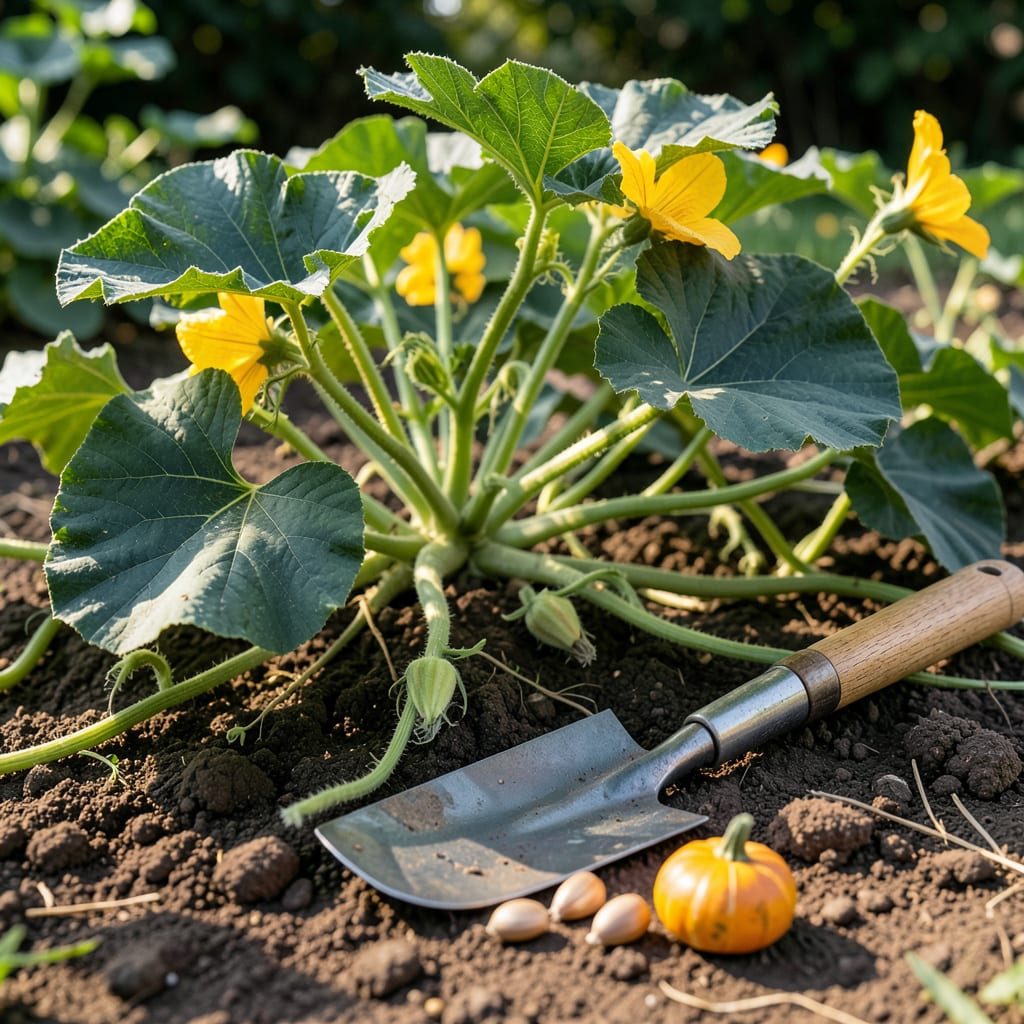
Timing is everything when growing 🎃 Pumpkin—plant too early or too late, and you might miss that perfect fall harvest.
Discover the ideal window to start your seeds for a bountiful autumn yield. I’ll share the most important timing tips to ensure your Pumpkin thrive.

Getting your pumpkin planting timing right means knowing your USDA hardiness zone and frost dates. Most pumpkins need 75-100 days to mature, so planting windows vary across the country.
In northern climates like Zone 5, aim to plant in late May to early June. Warmer southern zones like Zone 8 can start as early as mid-April with protection from late frosts.
| USDA Zone | Planting Window | First Frost Date |
|---|---|---|
| Zones 3-4 | Late May – Early June | September 15 – October 1 |
| Zones 5-6 | Mid-May – Early June | October 15 – November 1 |
| Zones 7-8 | Mid-April – Early May | November 15 – December 1 |
| Zones 9-10 | March – Early April | December 15 – January 1 |
*Adjust for local microclimates and pumpkin variety maturity days.
I always check the soil temperature before planting. Pumpkins need at least 60°F soil to germinate properly. Use a soil thermometer to be sure, especially in early spring.
For smaller varieties like Jack Be Little, you can plant a bit later since they mature in 85 days. Larger types like Atlantic Giant need the full 120 days or more.
In cooler regions, I recommend starting seeds indoors 2-4 weeks before transplanting. This gives them a head start when outdoor temperatures are still unpredictable.
For the most accurate dates, I use the last spring frost date as my guide. Plant 2-4 weeks after this date when the soil has warmed sufficiently. Your local extension office can provide this information.
Remember that fall frosts can sneak up quickly. I always mark my calendar 90 days before my expected first fall frost to know my latest planting date.
In my experience, consistent moisture is key during germination. I water gently but thoroughly after planting and keep the soil moist until sprouts appear, which usually takes 5-10 days. ☀️
Calculating your pumpkin planting schedule is simpler than you think. I start by finding my first fall frost date and count backward based on the variety’s days to maturity.
For most pumpkins, which need 75-100 days to mature, I subtract 90 days from my first frost date. This gives me my latest planting date for a fall harvest.
I always recommend using a garden journal to track these dates. Note your last spring frost and first fall frost dates for future reference. This helps fine-tune your schedule each year.
For indoor starts, begin seeds 2-4 weeks before your calculated outdoor planting date. This gives seedlings a head start in cooler climates where springs are short.
Remember that microclimates can affect your timing. Urban areas often stay warmer, while rural spots might frost earlier. I adjust my dates by 1-2 weeks based on my garden’s specific conditions.
Even experienced gardeners can mess up pumpkin timing. The most common mistake I see is planting too late for the growing season. Remember, most pumpkins need 75-120 days to mature fully.
Another critical error is ignoring soil temperature. Pumpkin seeds won’t germinate in cold soil below 60°F. I always use a soil thermometer to check before planting. ✂️
⚠️ Timing Pitfalls to Avoid
I’ve learned the hard way that variety matters. Planting a 120-day Atlantic Giant in late June means you’ll be racing against fall frosts. Stick to shorter-season varieties if you’re planting late.
Many gardeners forget to account for local microclimates. A low-lying area might be 5-10 degrees cooler than a sunny slope. I always observe my garden’s specific conditions before deciding on planting dates.
Finally, don’t overlook seed starting methods. Direct sowing works in warm climates, but in cooler zones, starting indoors 2-4 weeks early gives your pumpkins a crucial head start for fall harvest. 🌱
Plant at least 90-120 days before your first fall frost. In most areas, mid-July is the absolute latest for standard varieties. For smaller types, you might squeeze in a late July planting with 85-day varieties.
Pumpkin seeds require minimum 60°F soil to germinate, with 70-85°F being ideal. Use a soil thermometer to check. Cold soil will delay sprouting or cause seeds to rot.
Yes! Start seeds indoors 2-4 weeks before your last frost in individual pots. Harden off seedlings for 1 week before transplanting to avoid shock. This works best in cooler climates.
This often happens when planted too late. Pumpkins need 75-120 days to mature fully. Late planting means they may still be growing when cold, wet fall weather hits, leading to rot.
