
Beautiful Plants For Your Interior
Beautiful Plants For Your Interior
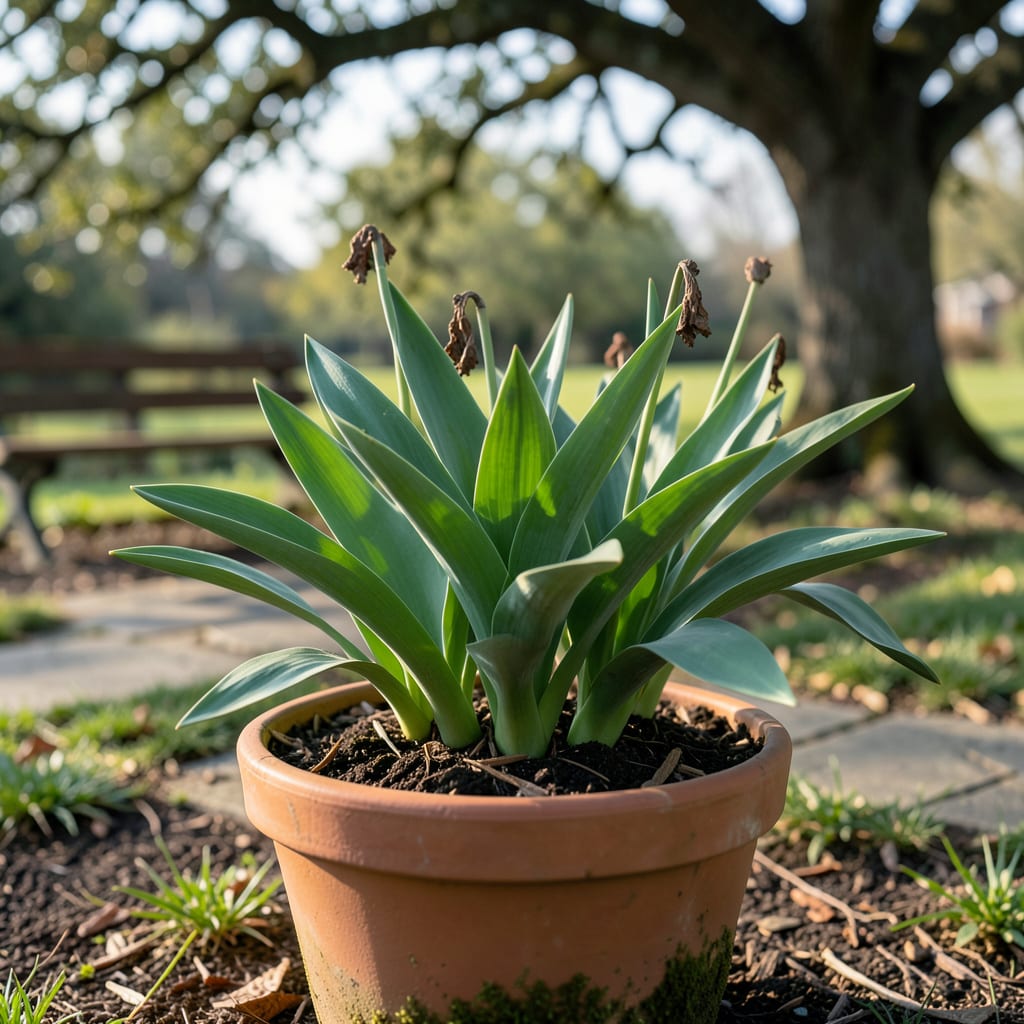
If you’ve nurtured potted tulips indoors or on your patio, moving them to the ground at the right time is key to spring success. The golden rule? Plant them 6–8 weeks before your first frost, when soil temps dip below 60°F. This gives roots time to establish before winter dormancy.
Timing varies by USDA zone, but the goal is always the same: avoid early sprouting (which frost can kill) and prevent late planting (which stunts root growth). In Zone 5, aim for late September to mid-October. Warmer zones like Zone 7–8 can push planting into November.
| Zone | Planting Window | Soil Temp Threshold |
|---|---|---|
| 3–4 | Late August–September | Below 55°F |
| 5–6 | September–October | Below 60°F |
| 7–8 | October–November | Below 65°F |
*Check your local frost dates for precision.
In cooler zones (3–4), tulips need extra time to root before the ground freezes. I always use a soil thermometer to confirm temps—it’s more reliable than air temps. If you’re in Zone 8, refrigerate bulbs for 6 weeks before planting to mimic winter chill.
Watch for false fall warmth. A late heatwave can trick tulips into sprouting prematurely. If temps spike after planting, add 2–3 inches of mulch to insulate. In mild winters (Zone 7+), mulch is non-negotiable to prevent temperature swings that disrupt dormancy.
Pro tip: If your potted tulips already have green shoots, plant them deeper (8 inches) and mulch heavily. This protects tender growth from frost. Avoid planting near south-facing walls—they warm too quickly in winter, confusing bulbs.
For container-grown tulips, transition them outdoors gradually. Start by placing pots in shaded areas for a few hours daily, increasing sun exposure over a week. This hardening-off process reduces transplant shock and prepares them for garden life.
If you miss the fall window, don’t panic. Store potted tulips in a cool, dark place (40–50°F) and plant in early spring as soon as soil is workable. They may bloom later, but with proper care, they’ll still put on a show. Just avoid planting after December—roots need time to grow!
Remember, tulips planted too late often produce weak stems or no blooms. I learned this the hard way after a late November planting in Zone 6—my tulips came up blind (no flowers) the next spring. Lesson learned: Soil prep matters more than calendar dates.
Finally, mark your calendar for next year’s planting based on this season’s frost dates. Tulips thrive on consistency, and a little planning ensures those vibrant spring colors you’re dreaming of. Now grab your trowel—it’s time to get planting! 🌷
Transplanting your potted tulips isn’t just about timing—it’s also about technique. I’ve found that proper site selection and soil prep make all the difference between thriving blooms and disappointing flops. Start by choosing a spot with full sun to partial shade and well-draining soil to prevent bulb rot.
Before digging, I always amend the soil with 2-3 inches of compost or aged manure. This gives your tulips the nutrients they need to establish roots before winter. Avoid heavy clay or soggy areas—tulips hate “wet feet” more than anything! 🌱
One mistake I see often is planting too shallow. If your tulip bulbs aren’t buried 6-8 inches deep, they’re vulnerable to freezing or drying out. Another pitfall? Overcrowding—give each bulb enough space to access nutrients and avoid competition.
After transplanting, keep the soil evenly moist for the first 2-3 weeks. Once the ground freezes, you can ease up on watering. Come spring, resist the urge to cut back foliage too soon—let it yellow and die naturally to feed next year’s blooms. ✂️
If you’re in a warmer climate (Zones 7-8), you might need to pre-chill bulbs for 6-8 weeks before planting. Simply place potted tulips in the fridge (away from fruit!) to mimic winter. This trick ensures they’ll bloom like clockwork in spring. 🌷
Remember, tulips are perennial in cooler zones but may act as annuals in warmer areas. To extend their life, I recommend lifting bulbs every 2-3 years, dividing them, and replanting in fresh soil. This keeps your display vibrant year after year!
Before you move your potted tulips into the garden, it’s crucial to check if they’re actually ready for the transition. I’ve learned the hard way that transplanting at the wrong stage can lead to weak blooms—or worse, no blooms at all. Here’s what to look for before you dig in.
First, examine the roots and bulbs. Healthy tulip bulbs should feel firm and plump, not soft or mushy. Gently tip the pot to check for white, fibrous roots peeking through the drainage holes—a sign your tulips are actively growing and ready for their new home.
Firm bulbs with no soft spots or mold 🌷
White roots visible at drainage holes 🪴
Green, upright leaves (if present) 🌿
Mushy bulbs or blackened roots 🚫
Yellowing leaves or stunted growth 🍂
No root growth after 4+ weeks in pot ⏰
Next, consider the foliage condition. If your tulips have sprouted leaves, they should be bright green and firm. Yellowing or wilted leaves often signal stress, overwatering, or disease—issues you’ll want to resolve before transplanting. I once ignored this and ended up with stunted blooms!
Finally, think about the timing and environment. Even healthy tulips can fail if transplanted during a heatwave or right before a frost. Aim for a calm, cool fall day when soil temps are below 60°F but not yet frozen. This gives roots time to establish without shocking the plant.
If your tulips aren’t quite ready, don’t panic! Move the pots to a cooler, shaded spot and reduce watering slightly. Check back in a week—sometimes they just need a little more time to prepare for their big move. Trust me, your patience will pay off with bigger, brighter blooms come spring.
Transplanting too early can cause premature sprouting, which makes the tender growth vulnerable to frost damage. Tulips need 6-8 weeks of root establishment before the ground freezes, but warm soil can trick them into growing too soon.
If your area experiences a late heatwave after planting, add 2-3 inches of mulch to keep soil temps stable. Early planting in Zone 7+ is especially risky without this protection.
Yes, but they need extra care. Plant them deeper (8 inches) than usual and cover with 3-4 inches of mulch to protect the tender growth from freezing. Avoid south-facing locations that warm too quickly in winter.
Shoots indicate active growth, so handle the roots gently during transplanting. Water immediately after planting to help them settle in, but avoid overwatering which can rot the bulbs.
Check for firm bulbs with no soft spots, white roots visible at drainage holes, and green, upright leaves if present. Mushy bulbs or blackened roots mean they’re not ready and need better drainage or less water.
If you see yellowing leaves or stunted growth, address the issue before moving them. A simple test: gently tug the leaves—healthy tulips will resist slightly, while weak ones pull out easily.
In most zones, aim to finish planting by early December. The absolute cutoff is when the ground becomes too hard to dig. In Zone 8, you can push this to late December if soil remains workable.
Late-planted tulips may have reduced bloom quality or height. If you miss the window, store pots in a cool (40-50°F) dark place and plant in early spring instead.
