
Beautiful Plants For Your Interior
Beautiful Plants For Your Interior
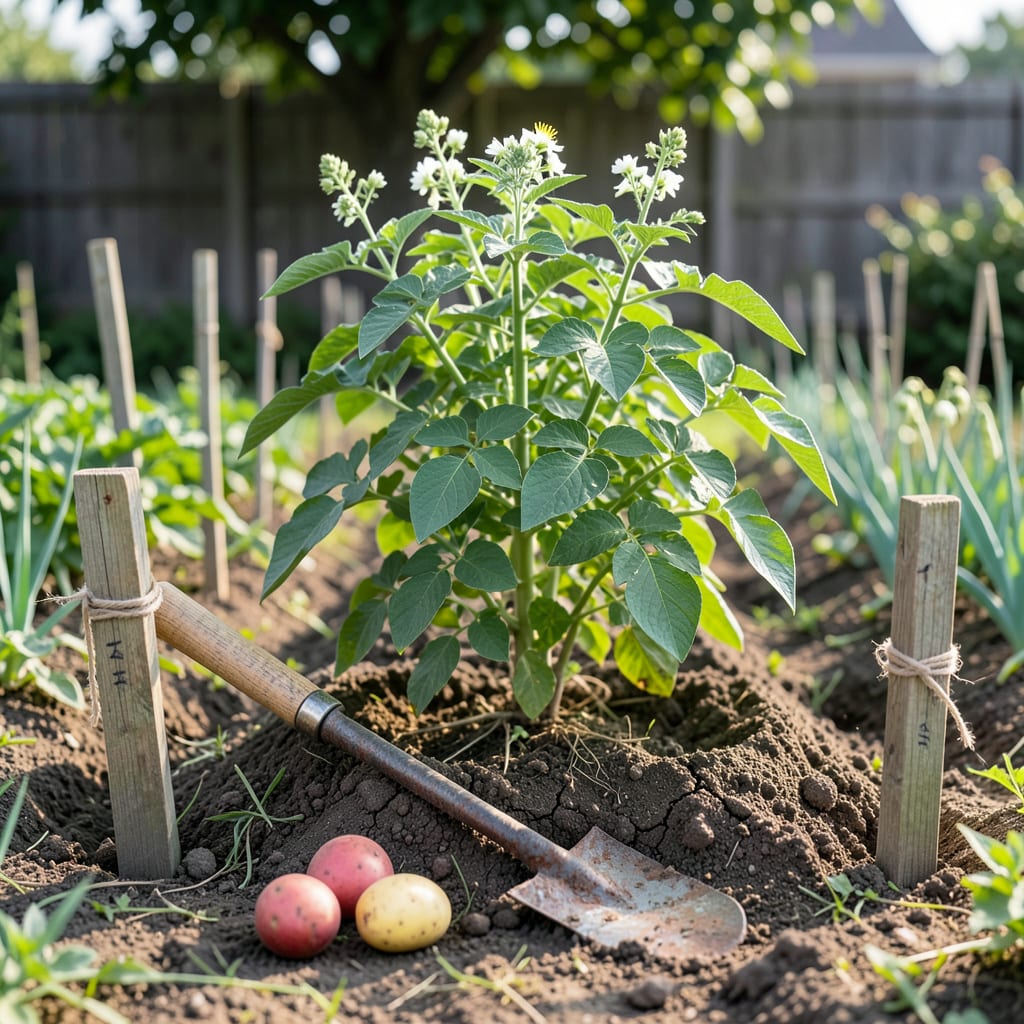
Timing your potato planting in Zone 8a can mean the difference between a bountiful harvest and a disappointing one. That first dig into warm soil to uncover homegrown 🥔 is pure magic—but only if you get the schedule right.
I’ve seen gardeners struggle with sprouts that rot in cold ground or plants that wilt in summer heat. The good news? There’s a perfect window—and I’ll show you exactly when to plant for the biggest, healthiest potatoes of your life. Let’s get those spuds in the ground the smart way.
If you’re growing potatoes in Zone 8a, timing isn’t just important—it’s everything. Plant too early, and a surprise frost could wipe out your crop. Wait too long, and your spuds will bake in the summer heat. The sweet spot? Late February through March for spring planting.
I’ve found that soil temperature is your best guide. Potatoes thrive when the ground hits 45°F or warmer, usually about 2-4 weeks before your last frost date (around March 15 in Zone 8a). For a fall crop, aim for late August to early September—just as summer’s heat starts to fade.
For early-season potatoes like Yukon Gold or Red Norland, I always plant in late February. These varieties mature in 70–90 days, so they’ll be ready before summer’s worst heat. If you’re after a fall harvest, try Kennebec or Russet—plant them by September 1 to beat the first frost.
Moon phase gardeners, take note: Plant potatoes during a waning moon for stronger root development. While not scientifically proven, many Zone 8a growers swear by this trick. Just don’t let the moon dictate your soil temps—45°F is non-negotiable for success.
Urban gardeners in Zone 8a often deal with warmer microclimates. If your area stays 5–10°F warmer than rural spots, you can plant 1–2 weeks earlier. Raised beds also warm up faster—great for getting a head start. Just watch for late frosts, which can still sneak in.
True potato seeds (not seed potatoes) need even warmer soil—50°F minimum. They’re slower to mature, so I only recommend them for spring planting. Stick to certified seed potatoes for reliability, especially if you’re new to growing spuds in Zone 8a’s climate.
Watering matters more than you think. After planting, keep soil evenly moist but not soggy. Too much water = rot. Too little = scabby potatoes. In Zone 8a’s dry spells, 1 inch of water per week is ideal. Mulch heavily to retain moisture and keep soil cool.
Don’t forget to hill your potatoes every 2–3 weeks. This prevents greening and encourages more tubers. I use straw for hilling—it’s easier than soil and breaks down into compost. By harvest time, you’ll have double the spuds with this simple step.
Finally, if you’re experimenting with winter planting, choose cold-hardy varieties like ‘Ozette’ or ‘All Blue’. Plant in December–January under thick mulch or row covers. It’s risky in Zone 8a, but the reward—fresh potatoes in early spring—is worth the effort for adventurous gardeners. 🥔
Not all potatoes thrive equally in Zone 8a’s climate, where mild winters meet scorching summers. Choosing the right variety can make or break your harvest. I’ve tested dozens of spuds and found that matching maturity times to our planting windows is key.
For early spring planting (February–March), fast-maturing varieties like Yukon Gold or Red Norland are perfect. They’ll be ready in 70–80 days, beating the summer heat. If you’re planting in late summer (August–September), opt for mid-season types like Kennebec or Purple Majesty.
For heat-tolerant varieties, Purple Majesty and All Blue handle Zone 8a’s summers better than most. They’re ideal if you’re pushing the late summer planting window. Just be sure to mulch heavily—3–4 inches of straw keeps roots cool.
If you love fingerling potatoes, try French Fingerling or Russian Banana. These take 90–100 days, so plant them by early March for a June harvest. They’re worth the wait for their rich, buttery flavor and firm texture.
For winter experiments, Ozette is my top pick. This heirloom variety survives light frosts and can be planted in December–January under thick mulch. You’ll get a small but early harvest by late spring—perfect for impatient gardeners!
No matter the variety, always pre-sprout (chit) your seed potatoes before planting. Place them in a bright, cool spot for 2–3 weeks until sprouts form. This gives you a 2-week head start on growth once they’re in the ground.
Remember: Variety selection impacts more than just timing. Some potatoes resist diseases common in Zone 8a, like early blight (try Defender or Mountain Rose). Others store better—Russets keep for months, while Yukon Golds are best eaten fresh. 🥔
Even experienced gardeners can sabotage their potato crop without realizing it. In Zone 8a, where our mild winters and hot summers create unique challenges, small missteps add up fast. I’ve seen entire harvests lost to preventable errors—let’s make sure yours isn’t one of them.
The biggest culprit? Planting in soggy soil. Potatoes rot faster than you’d think when the ground stays wet. Always test drainage before planting—dig a 1-foot hole, fill it with water, and check if it drains within an hour. If not, amend with compost or plant in raised beds.
Another silent yield-killer is poor soil prep. Potatoes need loose, well-draining soil to expand. If your ground is compacted or clay-heavy, mix in 3–4 inches of compost and sand. I’ve rescued many a struggling plant by simply loosening the soil around it with a fork.
Don’t underestimate watering consistency either. In Zone 8a, our spring rains can be unpredictable. Potatoes need 1 inch of water weekly—more during tuber formation. Drip irrigation works best to keep foliage dry and prevent early blight, a common issue in our humidity.
Finally, watch for pest pressure. Wireworms and Colorado potato beetles love Zone 8a as much as we do. Rotate crops yearly and handpick beetles daily. For wireworms, try beneficial nematodes or trap crops like mustard greens. A little vigilance saves pounds of potatoes. 🥔
You can start planting as early as late February, provided your soil has warmed to at least 45°F. Use a soil thermometer to check—don’t rely on air temperature alone. If you’re planting earlier, protect young sprouts with row covers in case of unexpected frost.
Summer planting is risky due to extreme heat, but you can try a late summer crop in August–early September. Choose heat-tolerant varieties like Purple Majesty or All Blue, and mulch heavily with 3–4 inches of straw to keep roots cool. Avoid planting after September 15.
Watch for these signs: yellowing foliage, tubers reaching 2–3 inches in diameter, and skin that doesn’t rub off easily. For “new potatoes,” you can harvest earlier (around 70 days), but for storage, wait until plants die back completely. Dig gently to avoid bruising!
Store seed potatoes in a cool (40–50°F), dark place with good airflow—like a cardboard box in a basement. Avoid refrigeration, as temperatures below 40°F convert starches to sugars. About 2–3 weeks before planting, move them to a bright spot to chit (pre-sprout) for faster growth.
Rot is usually caused by overwatering or poor drainage. Potatoes need consistently moist—but never soggy—soil. Amend heavy clay with compost or sand, and plant in raised beds if drainage is an issue. Water 1 inch per week, and avoid overhead irrigation to prevent fungal diseases.
