
Beautiful Plants For Your Interior
Beautiful Plants For Your Interior
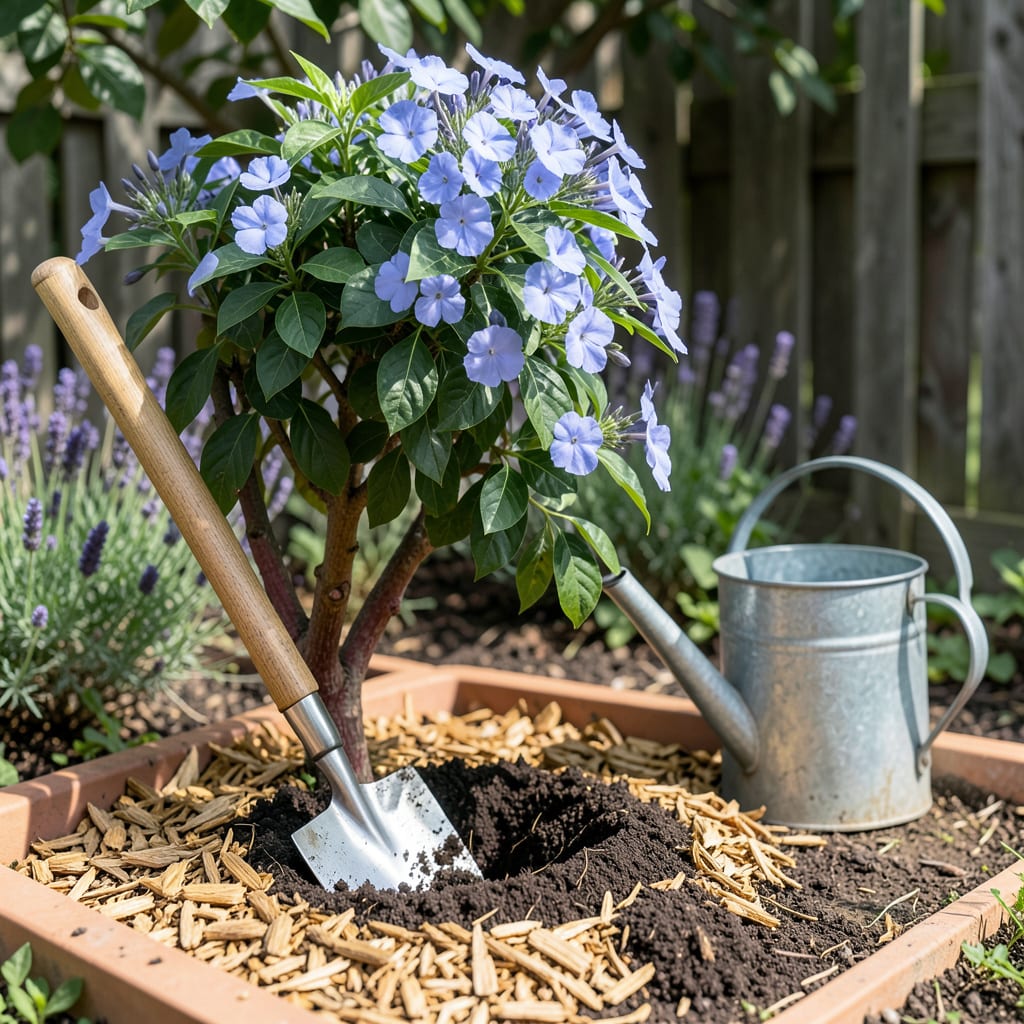
Texas gardeners know the struggle—finding plants that laugh in the face of 100°F summers while still delivering show-stopping color. Enter the 🌸 plumbago, a heat-loving superstar that thrives where others wilt… if you plant it at the right time.
Timing is everything in zones 8a-9b, where a few weeks’ difference can mean the difference between a scraggly survivor and a lush, bloom-covered shrine for pollinators. I’ll cut through the guesswork and give you the exact windows—plus the Texas-specific tweaks—that turn plumbago from “meh” to magnificent.
If you’re eager to add plumbago’s sky-blue blooms to your Texas garden, timing is everything. This heat-loving shrub thrives when planted during mild seasons, avoiding both late frosts and scorching summer peaks. Get it right, and you’ll enjoy months of pollinator-friendly flowers with minimal fuss.
Texas spans multiple USDA zones (8a–9b), so your ideal planting window depends on where you live. In North Texas, wait until after March 1 for spring planting, while Gulf Coast gardeners can start as early as mid-February. Fall planting? Aim for September–October statewide.
| Region | Spring Window | Fall Window | Key Consideration |
|---|---|---|---|
| North Texas (Dallas, Fort Worth) | March–April | September–early October | Watch for late frosts in March |
| Central Texas (Austin, San Antonio) | February–March | September–October | Soil temps reach 70°F by late Feb |
| South Texas (Corpus Christi, Brownsville) | January–February | October–November | Can plant year-round but avoid summer |
| Gulf Coast (Houston, Galveston) | February–March | September–October | High humidity helps establishment |
🌡️ Soil temperature should be 70°F+ for optimal root growth. Use a soil thermometer for accuracy.
For spring planting, I recommend waiting until soil temperatures hit at least 70°F—usually 2–3 weeks after your last frost date. This ensures roots establish quickly before summer heat arrives. In fall, plant 6–8 weeks before your first expected frost to give roots time to settle.
If you’re in Zone 9b (like the Rio Grande Valley), you can push planting into early November for fall. Just avoid July–August statewide—plumbago struggles with transplant shock in 100°F+ temperatures, even though mature plants handle heat well.
Pro tip: Afternoon shade is your friend in Zone 9. While plumbago loves sun, young plants benefit from protection during 3–6 PM heat. Use temporary shade cloth if needed, or plant near a west-facing fence for natural relief.
Clay soil? Amend with compost or expanded shale before planting—plumbago hates soggy roots. In sandy soils (common in East Texas), mix in organic matter to retain moisture. A 2–3 inch mulch layer after planting helps regulate soil temp and moisture.
Wondering about container planting? You can plant plumbago in pots year-round, but spring/fall are still ideal to avoid stress. Use a well-draining potting mix and a container with drainage holes. Water daily in summer until established.
Once planted, water deeply 2–3 times weekly for the first month, then taper to weekly deep soaks. Plumbago is drought-tolerant once established, but consistent moisture in the first season encourages stronger root systems and more blooms.
By following these region-specific windows, you’ll give your plumbago the best start. Whether you’re in the Panhandle or the Coastal Bend, proper timing means fewer stressed plants and more vibrant blue flowers to brighten your landscape. 🌸
Still unsure? Check your local county extension office for hyper-local frost dates—they’re the gold standard for Texas gardeners. And remember: when in doubt, spring planting is the safest bet for most of the state! ☀️
Even the toughest Texas gardeners can trip up with plumbago planting. This sky-blue beauty is forgiving once established, but early missteps can set you back months—or worse, cost you the plant. Let’s tackle the three most common mistakes I see in Texas gardens.
First up: planting too early in spring. I get it—you’re eager to see those blooms! But pushing plumbago into cold, wet soil (below 70°F) leads to root rot or stunted growth. In North Texas, wait until after March 1; South Texas can start in late January.
💡 Recovery tip: If your plumbago wilts post-planting, trim back ⅓ of the foliage and water deeply for 2 weeks.
The second blunder? Ignoring soil drainage. Texas soils vary wildly—gumbo clay in Dallas, sandy loam in Houston. Plumbago hates wet feet, so test drainage by digging a 12-inch hole and filling it with water. If it drains slower than 1 inch/hour, amend with coarse sand or perlite.
In Central Texas, our limestone-based soils can be alkaline. If your plumbago’s leaves yellow between veins, it’s likely iron chlorosis. Fix it by mixing chelated iron into the soil at planting or using an acidic mulch like pine needles.
Mistake #3 is overlooking afternoon shade in Zones 9a/9b. While mature plumbago handles full sun, new transplants struggle with 3–6 PM intensity. I’ve lost count of how many gardeners watch their plumbago crisp up in July heat because they skipped shade. The fix? Plant on the east side of a structure or use temporary shade cloth for the first month.
Lastly, don’t overwater after planting. Plumbago’s drought tolerance is a selling point, but many kill it with kindness. Stick to deep watering 2x/week for the first month, then taper to weekly. Use the finger test: if the top 2 inches of soil are dry, it’s time to water. 💧
By dodging these pitfalls, you’ll set your plumbago up for years of vibrant blooms. Remember: this plant is low-maintenance once established, but it needs a strong start. When in doubt, fall planting is your safest bet—cooler temps and autumn rains do the hard work for you! 🌿
When choosing drought-resistant perennials for Texas gardens, plumbago stands out—but how does it compare to other heat-loving favorites? Each plant brings unique strengths, whether you prioritize bloom duration, water needs, or pollinator appeal. Let’s break it down.
Plumbago shines with its sky-blue flowers and long bloom season (spring to frost), but alternatives like lantana and salvia offer different perks. For example, lantana handles poorer soil and attracts more butterflies, while salvia’s spiky blooms add vertical interest. Your choice depends on your garden’s needs.
| Plant | Bloom Duration | Water Needs | Pollinator Appeal | Best For |
|---|---|---|---|---|
| Plumbago 🌸 | Spring to frost | Low (drought-tolerant) | Bees, butterflies | Borders, containers |
| Lantana 🌼 | Summer to frost | Very low | Butterflies (larval host) | Ground cover, slopes |
| Salvia 🌿 | Spring to fall | Low | Hummingbirds, bees | Vertical accents, cut flowers |
| Turk’s Cap 🌷 | Summer to frost | Medium | Hummingbirds, bees | Shade gardens, woodland edges |
💧 Water needs assume established plants in well-draining soil.
If low water use is your top priority, lantana wins—it thrives on neglect and bounces back from drought. But plumbago offers softer texture and longer bloom time, making it ideal for cottage gardens or mixed borders. For shady spots, Turk’s cap is unbeatable.
For pollinator gardens, pair plumbago with salvia to extend the bloom season. The salvia’s early spring flowers feed bees when plumbago is still waking up, while plumbago’s fall blooms provide late-season nectar. Both are deer-resistant, a bonus in rural areas.
In urban landscapes, plumbago’s neat, mounding habit (3–6 ft tall) fits small spaces better than lantana’s sprawling growth. It also tolerates light pruning to maintain shape, while lantana can get leggy. For containers, plumbago’s trailing varieties (like ‘Imperial Blue’) spill beautifully over edges.
Still undecided? Consider your soil type. Plumbago and salvia prefer well-draining soil, while Turk’s cap handles clay and moisture better. Lantana? It grows almost anywhere—even in caliche or sandy soil—making it the easiest choice for tough sites. 🌱
Fall is often ideal because cooler temps and autumn rains reduce transplant stress. Aim for September–October statewide, giving roots 6–8 weeks to establish before winter. Spring works too, but requires more watering as summer approaches.
Use a soil thermometer to check 4-inch depth—plumbago thrives when soil hits 70°F+. In Central Texas, this typically happens by late February; North Texas may need to wait until March. No thermometer? Watch for consistent 60°F+ air temps at night.
Yes, but spring/fall are still best to avoid heat stress. Use a well-draining potting mix (add perlite) and a container with drainage holes. Water daily in summer until established, then taper to every 5–7 days. Move pots to partial shade during 100°F+ spells.
Overwatering! Plumbago’s drought tolerance is its superpower, but many kill it with kindness. Stick to deep watering 2x/week for the first month, then weekly. Always check soil moisture—if the top 2 inches are dry, it’s time to water. Soggy soil = root rot.
Mature plants handle brief dips to 28°F, but new transplants are vulnerable. If frost threatens, cover plants with frost cloth or a lightweight blanket. In North Texas, wait until after March 1 to plant—late frosts are common! Recovery tip: Prune damaged stems and water deeply.
