
Beautiful Plants For Your Interior
Beautiful Plants For Your Interior
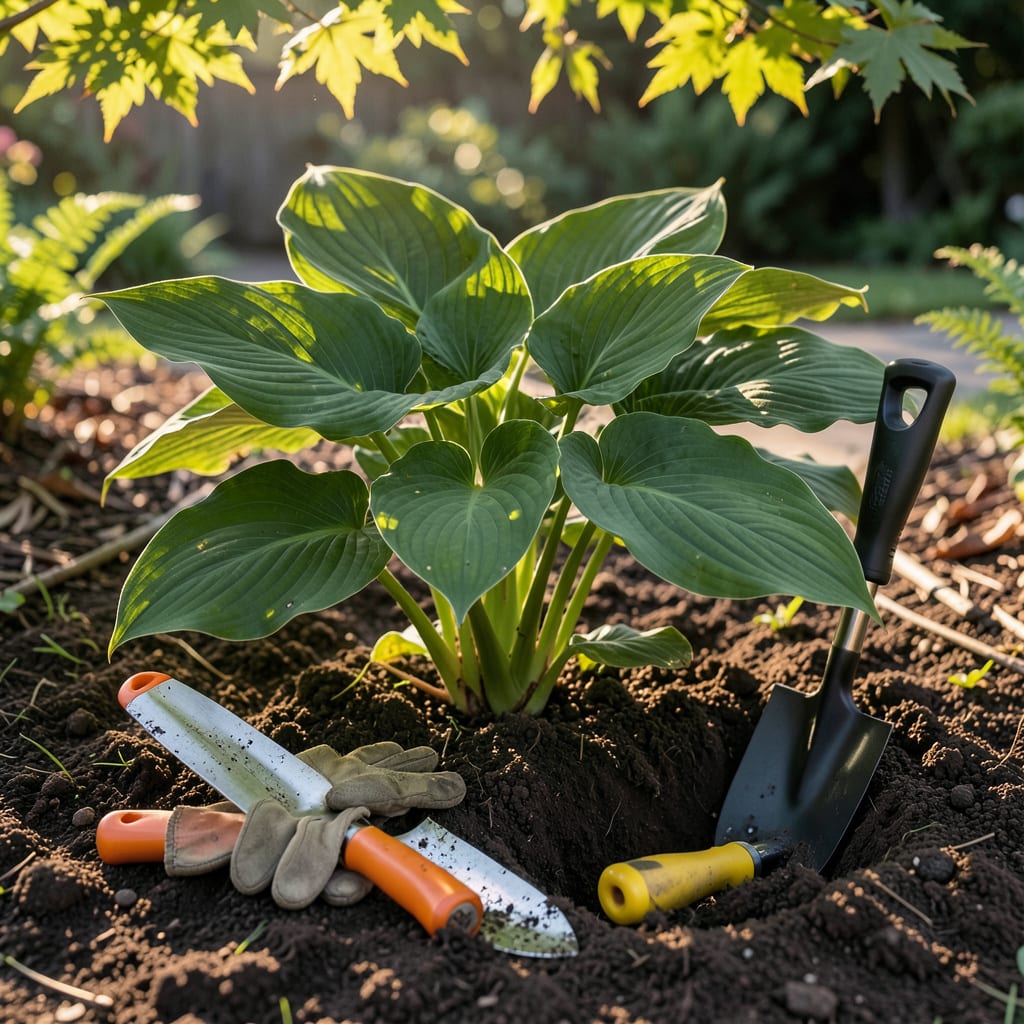
Timing can make or break your 🌸 perennials in Zone 5—plant too soon, and late frosts might wipe out tender roots. Wait too long, and they’ll struggle to settle in before winter’s chill. It’s a delicate balance, but nailing those windows means years of vibrant blooms with minimal effort.
I’ve tested both spring and fall planting in my own Zone 5 garden, and the difference is staggering. Whether you’re tucking in peonies after the last frost or giving hostas a fall head start, I’ll show you the exact 5-month sweet spot to guarantee success—no guesswork required.
If you’ve ever wondered why your perennials struggle to survive Zone 5’s wild temperature swings, timing is likely the culprit. In my years of gardening here, I’ve learned that spring planting (after April 15) and fall planting (before October 15) are your golden windows. These periods avoid late frosts and give roots time to establish.
But here’s the secret: fall planting often outperforms spring. Cooler temps and consistent moisture help roots grow without the stress of summer heat. Think of it like tucking your plants into bed with a cozy blanket of mulch before winter. Just avoid planting too late—6 weeks before first frost is the cutoff.
| Season | Ideal Window | Key Benefits | Best For |
|---|---|---|---|
| Spring | April 15–May 30 | Warm soil, no frost risk | Peonies, Daylilies, Coneflowers |
| Fall | Sept 1–Oct 1 | Cooler temps, less stress | Hostas, Sedum, Black-Eyed Susans |
*Soil temp should be 50°F+ for spring, 60°F+ for fall.
For spring planting, wait until soil is workable—squeeze a handful. If it crumbles, you’re good. If it sticks, wait a week. I always aim for late April to plant bare-root perennials like iris or phlox. They’ll focus on roots first, then foliage.
Fall’s magic lies in its root growth advantage. While tops go dormant, roots keep expanding until soil hits 40°F. That’s why I plant hostas and ferns in September—they’ll wake up next spring twice as strong. Just add 2-3 inches of mulch after planting.
Watch your microclimates. A south-facing slope warms faster in spring, while a north-facing bed stays cooler—perfect for fall. I’ve lost lavender by planting it too early in a cold pocket, but my sedum thrives there in September.
Pro tip: Soil temperature matters more than air temp. Use a $10 soil thermometer to check. Spring planting needs 50°F+ at 4” depth; fall loves 60°F+. This simple tool saved my butterfly bush from a false-start spring.
Don’t forget watering—new perennials need 1” per week, even in fall. I set up a drip irrigation timer for my fall-planted Russian sage and it doubled in size by spring. Consistency is key, especially in dry autumns.
If you’re tempted to plant in summer, resist! The heat stresses plants, and they’ll need babysitting. I once tried July-planted coneflowers—they survived but stayed stunted for a year. Stick to the spring/fall windows and you’ll get stronger, happier plants.
For Zone 5 newbies, start with easy perennials like black-eyed Susans or catmint. They’re forgiving if your timing’s slightly off. Pair them with a soil test (your local extension office often offers free kits) to nail the perfect planting conditions.
Remember, perennials are a long-term investment. That extra week you wait in spring or the careful fall timing will pay off in bigger blooms and healthier plants for years. And if you’re unsure, your county’s Master Gardener hotline is a free lifeline! 🌱
Even experienced gardeners stumble with Zone 5 perennials when timing goes wrong. I’ve killed more lavender by planting too early in spring and lost hostas to late fall planting. The key? Avoiding these seasonal blunders that sabotage root growth before plants even get started.
The biggest spring mistake is jumping the gun. I once planted peony roots in March after a warm spell—only to watch them rot when temps dipped back to 25°F. Always wait until soil hits 50°F at 4” depth, usually after April 15 in most of Zone 5.
Fix: Use a soil thermometer and mark your calendar 6 weeks before first frost (Oct 15).
Fall planting has its own traps. I learned the hard way that October-planted astilbe won’t root fast enough before winter. Stick to September 1–30 for most perennials. The exception? Cold-hardy grasses like feather reed grass can go in until mid-October.
Watering missteps wreck new perennials. In spring, overwatering causes rot; in fall, underwatering stunts roots. My rule: 1” per week, even in autumn. Use a rain gauge to track—your plants can’t tell you they’re thirsty!
Another silent killer? Ignoring microclimates. My north-facing bed stays 5°F cooler than the south side. That’s why my fall-planted sedum thrives there, while spring-planted bee balm sulks. Map your yard’s sunny/cold spots before planting.
Finally, skip the summer planting temptation. I tried July-planted coneflowers—they survived but stayed half-sized for a year. If you must plant in heat, choose container-grown perennials and water daily for 2 weeks. Better yet, wait for fall!
Your best defense? A $10 soil thermometer and a planting journal. I track my Zone 5 perennials’ progress each year—notes like “2023: Planted peonies April 20, bloomed 2024” help refine timing. Small tools, big payoff! 🌿
If you’re gardening in Zone 5, you need perennials that establish quickly and handle temperature swings. After years of testing, I’ve found these five powerhouse plants that thrive with minimal fuss. They’re perfect for beginners or anyone short on time.
My top pick? Coneflowers (Echinacea). These tough natives laugh at Zone 5’s frosts and bloom in their first year if planted by May 1. I’ve seen them grow from 4” plugs to 2’ tall in one season. They’re drought-tolerant once established, making them ideal for busy gardeners.
*All thrive in full sun and well-draining soil.
Russian Sage deserves special mention. I planted three 1-gallon pots in early September, and by next summer they’d tripled in size. Their silvery foliage and lavender blooms are a pollinator magnet, and they require zero fertilizer once established.
For shady spots, hostas are my go-to. While they grow slower than sun-lovers, varieties like ‘Francee’ or ‘Guacamole’ establish reliably if planted by May 15 or September 15. I’ve had success with fall-planted hostas by mulching with shredded leaves for winter protection.
Pro tip: Pair these perennials with a 2-3” mulch layer after planting. I use shredded bark for sun-lovers and compost for shade plants. This simple step retains moisture and suppresses weeds, giving your new plants a stress-free start. 🌿
Remember, even fast-establishing perennials need consistent watering their first year. I set up a drip irrigation system on a timer for my new plantings—1” per week keeps them happy without daily effort. The payoff? Years of low-maintenance beauty that survives Zone 5’s toughest winters.
Fall is often ideal because cooler temperatures and consistent moisture help roots establish without summer stress. Aim for September 1–October 1 to give plants 6 weeks before the first frost. Spring works too, but requires more watering and frost monitoring.
Test soil readiness by squeezing a handful. If it crumbles easily, it’s workable. If it sticks together, wait a week. A $10 soil thermometer is your best tool—spring planting needs 50°F+ at 4” depth, while fall prefers 60°F+.
It’s risky due to heat stress, but possible with extra care. Choose container-grown plants and water daily for the first 2 weeks. Shade cloth can help reduce transplant shock. For best results, wait until early fall instead.
Plant by October 1 in Zone 5 to allow 6 weeks of root growth before the first frost (October 15). Cold-hardy grasses can go in until mid-October, but most perennials need earlier timing to survive winter.
Yes! Peonies and lavender prefer spring, while hostas and sedum thrive in fall. Always check species-specific needs. A quick online search or tag instructions will guide you—when in doubt, ask your local nursery.
