
Beautiful Plants For Your Interior
Beautiful Plants For Your Interior
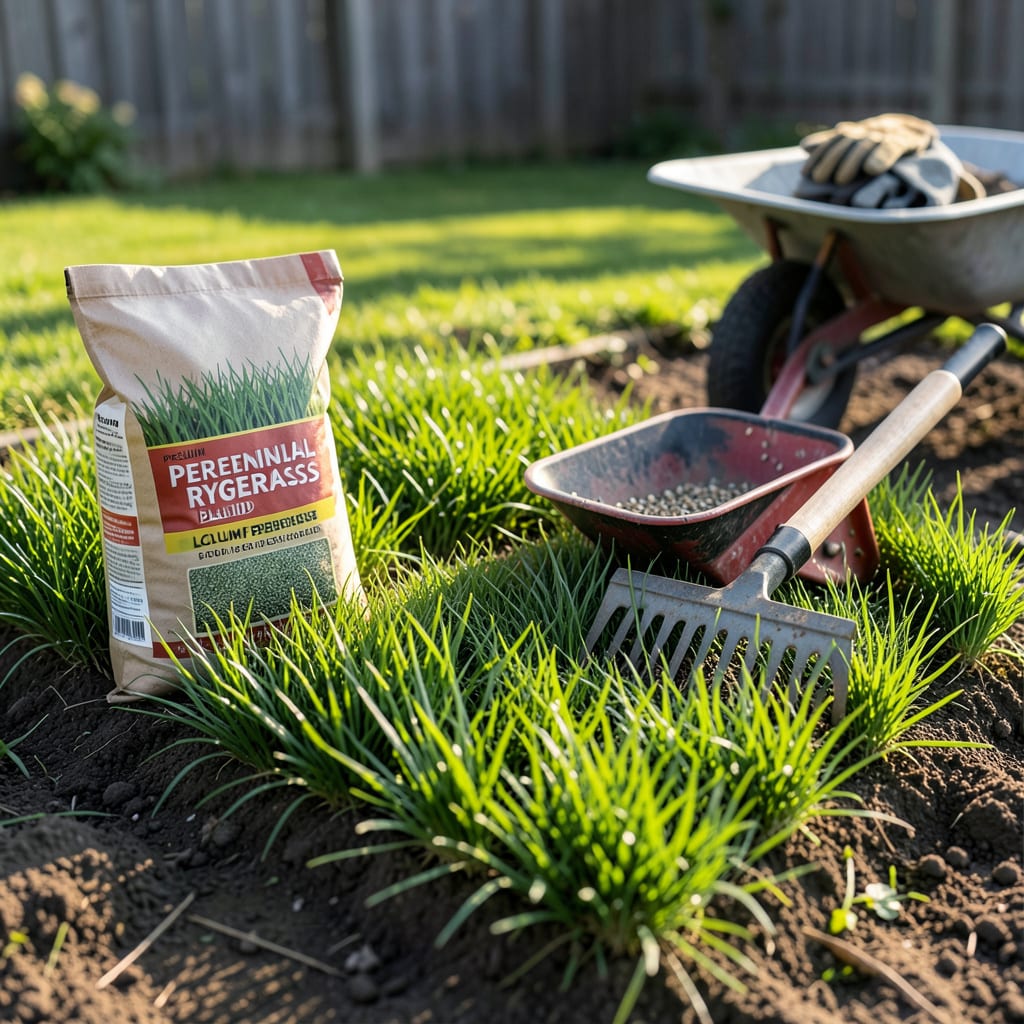
Texas lawns face a unique challenge: finding the perfect moment to plant perennial ryegrass before summer heat fades and winter arrives. One wrong move, and you’re left with patchy grass or wasted seed.
After studying Texas A&M’s research and testing timing across the state, I’ve pinpointed the ideal fall window—down to the week—for zones 6 through 9. Here’s how to sync your planting with Texas’ unpredictable climate and get a lawn that stays green all winter.
If you’re dreaming of a lush, green lawn that stays vibrant through Texas winters, perennial ryegrass is your secret weapon. But here’s the catch: timing is everything in our unpredictable Texas climate. Plant too early, and the summer heat will fry your seeds before they sprout.
I’ve found that early to mid-fall is the sweet spot—when soil temps drop to 60–75°F and those first cool fronts start rolling in. But here’s the kicker: Texas is huge, and planting dates vary dramatically from Amarillo to Brownsville.
In North Texas, I start seeding by mid-September because our first frosts can sneak up by mid-November. But down in Houston, you’ve got until mid-November—that extra month makes a huge difference for root establishment before winter.
Here’s my golden rule: Plant 4–6 weeks before your first frost. That gives ryegrass enough time to germinate and develop a strong root system before winter dormancy. I’ve seen too many folks plant in late November and wonder why their lawn looks patchy by February.
Soil prep is non-negotiable. Texas soils—especially our clay-heavy areas—need amending. I till in 2–3 inches of compost and a starter fertilizer (10-10-10) a week before planting. This isn’t just advice; it’s what Texas A&M’s turf specialists recommend for best germination rates.
Watering is where most people mess up. After seeding, I keep the soil consistently moist (not soggy!) for the first 10–14 days. That means light watering 2x daily—early morning and late afternoon—to prevent evaporation. Once sprouts appear, I scale back to deep watering 3x weekly.
If you’re overseeding a warm-season lawn (like Bermuda or St. Augustine), mow it low (1 inch) first and dethatch if needed. I’ve had the best luck with perennial ryegrass blends like ‘Pennfine’ or ‘Manhattan III’—they handle Texas’ temperature swings better than cheap annual mixes.
Watch the weather like a hawk. If we get a late heatwave (hello, October 2023!), delay planting or use shade cloth to protect new seedlings. And if you’re in West Texas, where nights cool faster, lean toward the earlier side of your planting window.
Remember, perennial ryegrass isn’t just a winter fix—it’s an investment. Done right, it’ll come back for 2–3 years, giving you that golf-course green while your neighbors’ lawns brown out. Just don’t skimp on the fall fertilizer (I use a 16-4-8 blend in November) to keep it thriving.
Still unsure? Grab a soil test kit from your county extension office. For $15–$20
Even with perfect timing, your perennial ryegrass can fail if you fall into these common Texas traps. I’ve seen too many lawns struggle because of simple oversights—like planting too deep or skipping soil prep. Let’s fix that before you sow a single seed.
First up: seed depth. Ryegrass needs light to germinate, so if you bury it more than ¼ inch deep, you’re setting yourself up for patchy growth. I use a broadcast spreader for even coverage, then lightly rake it in—no heavy-handedness allowed!
Another biggie: watering mistakes. I can’t tell you how many Texans drown their ryegrass seedlings. The goal is consistent moisture, not a swamp. For the first two weeks, I water lightly twice daily (morning and late afternoon) to prevent evaporation.
Once sprouts appear, switch to deep watering 3x weekly. And here’s a Texas-specific tip: if we get a late heatwave (yes, even in October!), run your sprinklers for short cycles to cool the soil and prevent heat stress on young plants.
Don’t overlook seed quality. I’ve tried the cheap annual ryegrass mixes, and they’re gone by March. Perennial varieties like ‘Pennfine’ or ‘Manhattan III’ cost more upfront but come back for 2–3 years with proper care. They also handle Texas’ temperature swings better.
Finally, post-planting care is where most folks drop the ball. Four weeks after germination, I apply a 16-4-8 fertilizer to build strong roots before winter. And if you’re overseeding Bermuda or St. Augustine, mow it low (1 inch) first and dethatch—otherwise, the ryegrass will struggle to reach the soil.
One last thing: watch the weather. If a cold snap is coming, cover new seedlings with frost cloth overnight. And in West Texas, where winds dry out soil fast, add a light mulch layer (like straw) to retain moisture without smothering seeds.
Choosing between perennial ryegrass and annual ryegrass can make or break your Texas lawn. I’ve tested both, and while annual ryegrass is cheaper upfront, it dies off by spring—leaving you to replant every year. Perennial ryegrass, on the other hand, comes back for 2–3 seasons with proper care.
The real difference? Cold tolerance and longevity. Perennial ryegrass handles Texas’ temperature swings better, staying green through winter and bouncing back in early spring. Annual ryegrass? It’s a one-hit wonder—great for quick color but gone by March.
If you’re overseeding Bermuda or St. Augustine, perennial ryegrass is the clear winner. It establishes a dense turf that chokes out weeds and resists disease. I’ve seen annual ryegrass get overtaken by winter weeds like henbit by February—perennial varieties hold their ground.
Watering needs are similar for both, but perennial ryegrass has deeper roots, so it’s more drought-tolerant once established. In Texas’ unpredictable winters, that’s a game-changer. I water my perennial ryegrass 2x weekly after establishment, while annual types need more frequent drinks.
Here’s the bottom line: If you want a low-maintenance, long-lasting winter lawn, invest in perennial ryegrass. Yes, it costs more upfront, but you’ll save time and money in the long run. For quick fixes or rental properties, annual ryegrass works—but expect to replant every fall.
For best results, plant when soil temperatures hit 60–75°F and are trending downward. Texas A&M AgriLife recommends using a soil thermometer to confirm this—don’t just guess based on air temperature!
Spring planting is risky in Texas. The grass may struggle to establish before summer heat arrives, often leading to poor germination or weak growth. Fall is ideal because cooler temps and winter moisture support strong root development.
Keep the soil consistently moist for the first 10–14 days with light watering twice daily (morning and late afternoon). Once sprouts appear, switch to deep watering 3x weekly to encourage root growth.
Perennial ryegrass lasts 2–3 years and handles Texas winters better, while annual ryegrass dies off by spring. Perennial costs more upfront but saves time and money long-term. For quick color, annual works—but expect to replant yearly.
Yes! Apply a starter fertilizer (10-10-10) a week before planting, then follow up with a 16-4-8 blend about 4 weeks after germination. This boosts root strength before winter and ensures lush, healthy growth.
