
Beautiful Plants For Your Interior
Beautiful Plants For Your Interior
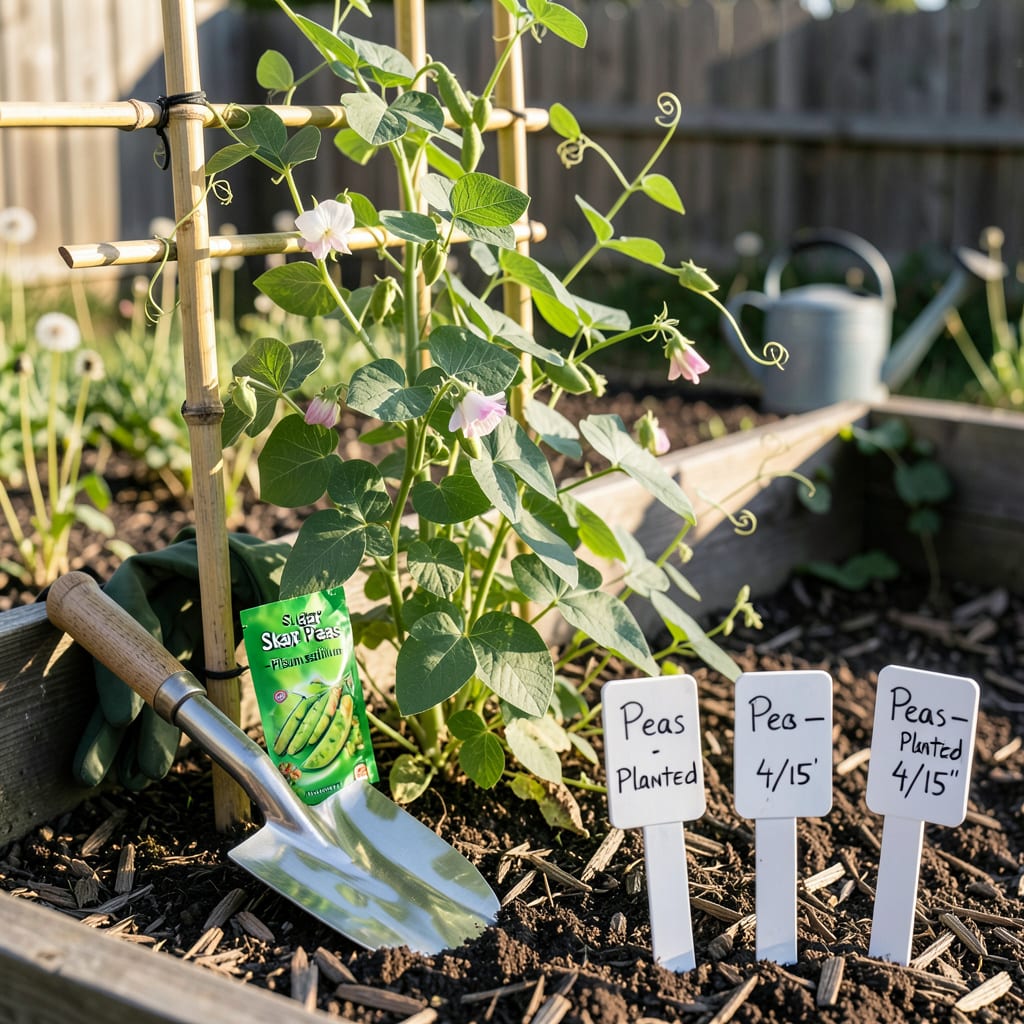
Timing your pea planting in Pennsylvania can mean the difference between a bountiful harvest and a disappointing yield. The Keystone State’s unpredictable springs and early summers make nailing that perfect window critical—plant too soon, and frost might wipe out your seeds; wait too long, and scorching heat stunts their growth.
After years of testing different approaches in my own garden, I’ve cracked the code for sweet, crisp peas that thrive in PA’s climate. Whether you’re in Philadelphia’s milder zone or the frost-prone Poconos, I’ll show you exactly when to get those 🌱 peas in the ground for spring and fall success—no guesswork required.
If you’re growing peas in Pennsylvania, timing is your secret weapon. Our state’s USDA Zones 5–7 create distinct windows—plant too early, and frost zaps your seeds; too late, and summer heat stops pod production. I’ve found the sweet spot starts when soil hits 40°F, usually 4–6 weeks before the last frost.
Pennsylvania’s diverse microclimates mean planting dates vary. Southeastern PA (like Philadelphia) warms up faster than the Pocono Mountains or Pittsburgh. Below, I’ve broken down the exact timelines by region, factoring in last frost dates and soil readiness. Use this as your cheat sheet!
| Region | USDA Zone | Spring Planting | Fall Planting | Last Frost Date |
|---|---|---|---|---|
| Philadelphia Area | 7a | Late Feb–March | Aug 15–Sept 1 | April 10 |
| Pittsburgh Area | 6b | March 15–April 1 | Aug 1–Aug 20 | April 25 |
| State College | 6a | March 25–April 10 | July 25–Aug 10 | May 5 |
| Pocono Mountains | 5b | April 1–April 15 | July 15–July 30 | May 15 |
Source: Adapted from Penn State Extension frost date data and USDA Zone maps.
For spring planting, I always aim for 4–6 weeks before the last frost. In Philadelphia, that means sowing ‘Sugar Sprint’ peas as early as late February if the soil isn’t waterlogged. In colder zones like the Poconos, wait until early April when soil temps hit a consistent 45°F.
The fall window is trickier but equally rewarding. Plant 8–10 weeks before the first frost so peas mature in cool weather. In Pittsburgh, that’s early August; in Philadelphia, you can push it to mid-August. I’ve had great success with ‘Oregon Giant’ snow peas for fall harvests—they tolerate light frosts!
Pro tip: Use a soil thermometer to check temps at 2-inch depth. Peas germinate poorly in cold, wet soil, so if your thermometer reads below 40°F, hold off. Also, succession planting works wonders—sow a new batch every 2 weeks until mid-May for continuous harvests.
Don’t forget soil prep! Peas thrive in well-draining soil with a pH of 6.0–7.5. I mix in compost and a balanced fertilizer (like 5-10-10) before planting. Avoid high-nitrogen fertilizers—they’ll give you lush vines but fewer pods.
If you’re in a warmer urban area like Philly, watch for early heatwaves. Peas stop producing when temps exceed 75°F. Use shade cloth to extend your spring harvest by a few weeks. In cooler regions, row covers can protect early plantings from late frosts.
For container gardeners, peas are a dream! Choose dwarf varieties like ‘Little Marvel’ and plant in 12-inch-deep pots. Just ensure your container has drainage holes—soggy roots spell disaster. I’ve grown peas on my balcony using a trellis net for support.
Finally, mark your calendar for harvest time—most peas mature in 60–70 days. Pick daily once pods form to encourage more production. Overripe peas turn starchy, so don’t wait! Store harvested peas in the fridge for up to 5 days, or blanch and freeze for longer storage.
Even with perfect timing, small errors can sabotage your Pennsylvania pea crop. I’ve seen gardeners lose entire plantings to avoidable mistakes—like over-soaking seeds or ignoring soil pH. Let’s fix these before they wreck your harvest.
First, never plant in summer. Peas thrive in cool weather (40–75°F) and shut down when temps climb. If you miss the spring window, wait for late summer/fall planting instead of risking heat-stressed vines.
Another common blunder? Planting too deep. Peas need light to germinate, so sow seeds 1 inch deep—max. In heavy clay soil (common in parts of PA), plant ½ inch deep to prevent smothering.
Poor spacing is equally damaging. Crowded peas compete for nutrients, leading to stunted pods. I use a seed tape or ruler to space seeds 2 inches apart in rows 18 inches apart. For bush varieties, reduce row spacing to 12 inches.
Don’t forget watering consistency. Peas need 1 inch of water weekly, but soggy soil causes root rot. I water early morning to let foliage dry before evening—this prevents powdery mildew, a common PA pea problem.
Finally, harvesting too late turns sweet peas into tough, starchy ones. Check pods daily once they form. For snap peas, harvest when pods are plump but still flat; for shelling peas, wait until pods bulge but before they yellow.
If you’re growing in containers, ensure pots are at least 12 inches deep with drainage. Dwarf varieties like ‘Little Marvel’ work best. I’ve found self-watering containers help maintain moisture without waterlogging.
🌱Not all peas thrive equally in Pennsylvania’s cool springs and mild falls. After testing dozens of varieties in my garden, I’ve narrowed it down to the top performers for our climate. The right choice depends on your goals: snacking fresh, freezing for later, or trellis space.
For beginners, I recommend starting with sugar snap peas like ‘Sugar Sprint’—they’re disease-resistant, easy to grow, and produce crunchy, edible pods. Shelling peas (like ‘Lincoln’) take more effort but reward you with sweet, plump peas perfect for freezing.
| Variety | Type | Days to Harvest | Best For | PA Planting Window |
|---|---|---|---|---|
| Sugar Sprint | Sugar Snap | 60 days | Fresh eating, trellises | March–April |
| Oregon Giant | Snow Pea | 70 days | Stir-fries, fall planting | Aug–Sept |
| Lincoln | Shelling | 65 days | Freezing, canning | March–May |
| Little Marvel | Dwarf Shelling | 58 days | Containers, small spaces | April–May |
Source: Penn State Extension trials and my garden tests.
For small-space gardeners, ‘Little Marvel’ is a game-changer. This dwarf shelling pea stays under 2 feet tall and thrives in 12-inch-deep containers. I’ve grown it on my apartment balcony with a small trellis—perfect for urban gardeners!
Snow peas like ‘Oregon Giant’ excel in fall plantings because they tolerate light frosts. Their flat, tender pods are ideal for stir-fries. Plant them in late July for an October harvest. I love their delicate flavor and how they sweeten after a frost.
If you’re planting for freezer storage, ‘Lincoln’ shelling peas are my top pick. Their high yield and sweet flavor hold up beautifully when frozen. For fresh snacking, though, nothing beats the crunch of ‘Sugar Sprint’—kids love picking them straight from the vine!
Remember: Climbing varieties need 5–6 ft trellises, while bush types max out at 2–3 feet. I use bamboo stakes or netting for support. For disease resistance, look for varieties labeled “powdery mildew resistant”—critical in PA’s humid summers.
🌱Choose dwarf varieties like ‘Little Marvel’ and use containers at least 12 inches deep with drainage holes. A small trellis or stakes will support vines. Balcony gardeners in Philadelphia can start as early as late February if using a cold frame.
Peas germinate poorly in soil below 40°F. Seeds may rot or sit dormant for weeks. In colder PA regions like the Poconos, wait until early April when soil warms consistently. A soil thermometer takes the guesswork out of timing.
Use row covers or cloches for early plantings. In Pittsburgh (Zone 6b), frost can linger until late April. Remove covers during sunny days to prevent overheating. For containers, move pots to a sheltered spot overnight.
Yes! Sow a new batch every 2 weeks until mid-May. This staggers maturity dates, giving you fresh peas for months. In Philadelphia, your last spring planting should go in by early May to beat the heat.
This usually means poor pollination or heat stress. Peas self-pollinate best at 50–70°F. If temps exceed 75°F, pods won’t form. Shade cloth can help in warmer PA areas like Lancaster.
