
Beautiful Plants For Your Interior
Beautiful Plants For Your Interior
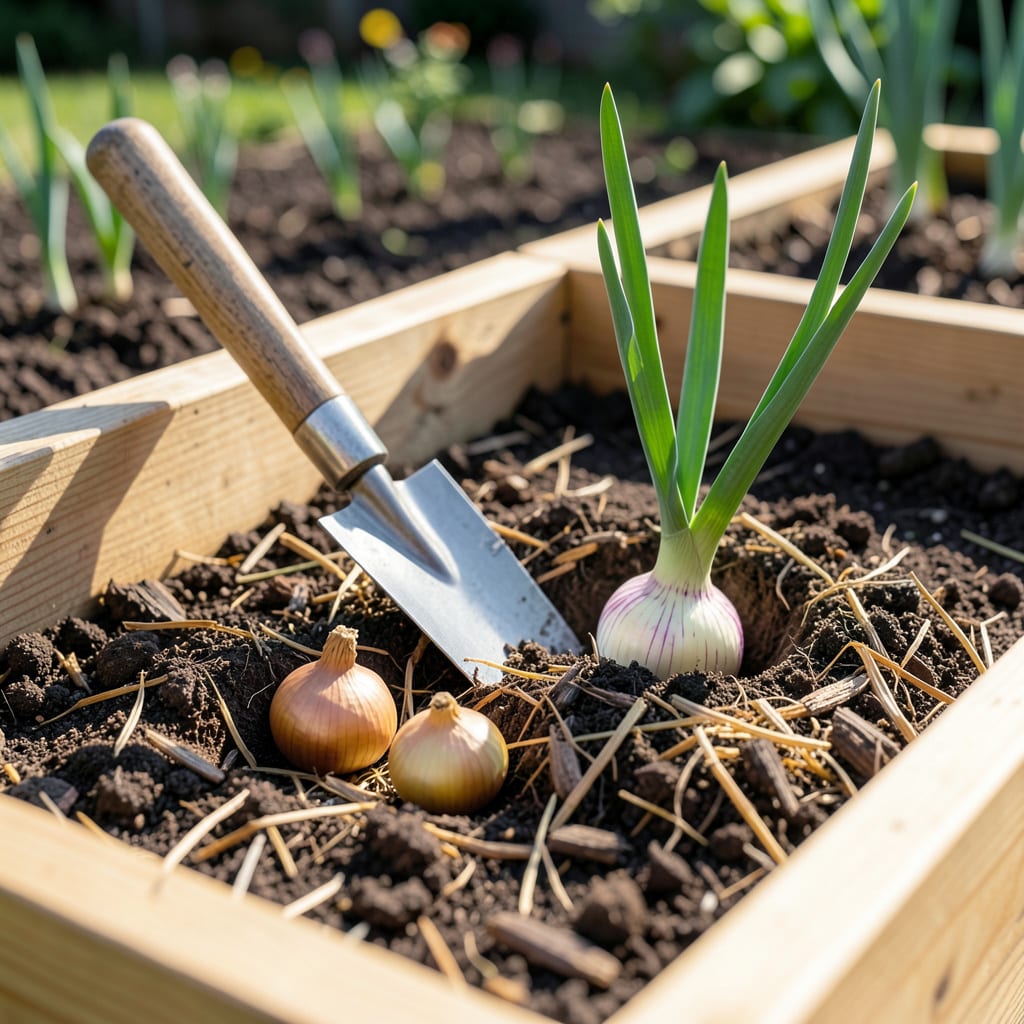
What if I told you the secret to bigger, sweeter onions starts with planting them in fall? Most gardeners wait until spring, but that means missing out on months of root development that lead to superior bulbs.
Timing is everything when it comes to fall-planted 🧅 onions. Get it right, and you’ll harvest earlier with less effort next season. I’ll show you exactly when to plant based on your zone and how to set your crop up for success before winter hits.
If you’ve ever dreamed of pulling giant, sweet onions from your garden next spring, fall planting is your secret weapon. The key? Nailing the timing so your onion sets or seeds develop strong roots before winter hits. Plant too early, and you’ll get premature sprouting; too late, and bulbs won’t size up. I’ll break down the exact windows for your zone.
Fall-planted onions thrive when they get 4–6 weeks of growth before the first hard frost. This gives them time to establish roots without pushing up tops. Soil temperature matters too—aim for 50–65°F at planting. Colder soils slow root development, while warmer temps risk bolting. Let’s dig into the zone-by-zone guide below.
| USDA Zone | Planting Window | First Frost Date | Variety Recommendation |
|---|---|---|---|
| Zones 3–4 | Late August–Early Sept | Oct 1–15 | ‘Stuttgarter’ (cold-hardy) |
| Zones 5–6 | Mid-Sept–Early Oct | Oct 15–30 | ‘Yellow Sweet Spanish’ |
| Zones 7–8 | Oct–Early Nov | Nov 15–30 | ‘Red Burgundy’ (mild flavor) |
| Zones 9–10 | Nov–Dec | Dec 15–Jan 1 | ‘Texas Early White’ (short-day) |
💡 Pro Tip: Use onion sets (not seeds) in Zones 3–6 for faster establishment before winter.
In northern zones (3–6), I recommend planting 4–6 weeks before your first frost. For example, if your frost date is October 15, aim to plant by September 1. This gives roots time to anchor without tops growing too tall before dormancy. Use a soil thermometer to confirm temps—if it’s below 50°F, hold off or use row covers.
Southern gardeners in Zones 7–10 have more flexibility. Your goal is to plant when daytime temps drop below 75°F to prevent bolting. I’ve found late October through November works well for most varieties. If winters are mild, you can even stagger plantings every 2 weeks for a prolonged harvest.
For microclimate adjustments, watch your local weather. Urban areas or south-facing slopes may stay warmer, letting you plant 1–2 weeks later. Conversely, low-lying spots frost earlier—plant 1 week earlier there. Always mulch heavily (4–6 inches of straw) after planting to insulate soil and retain moisture.
If you’re using onion seeds instead of sets, start them 8–10 weeks before planting indoors. Transplant seedlings when they’re pencil-thick and soil temps cooperate. Seeds offer more variety options but require babysitting. Sets are foolproof for beginners—just push them 1 inch deep, 4 inches apart, and water well.
Don’t forget to mark your rows! Fall-planted onions disappear under mulch by winter. I use biodegradable flags or plant radish seeds as row markers—they sprout fast and die in frost, leaving no competition. Come spring, your onions will wake up early, giving you a 2–3 week head start over spring-planted bulbs.
For overwintering success, avoid high-nitrogen fertilizers in fall—they encourage top growth. Instead, I top-dress with compost or bone meal (high in phosphorus) at planting. This fuels root development without pushing greens. If your area gets heavy freezes, add an extra 2 inches of mulch after the ground freezes to prevent heaving.
Come spring, you’ll be rewarded with thick-necked onions ready to bulb up fast. Fall-planted onions often mature 3–4 weeks earlier than spring-planted ones, and their flavor is milder thanks to slow, cool-season growth. Just remember: the secret isn’t just when you plant, but also how you protect them through winter.
I’ve seen too many gardeners excitedly plant onions in fall, only to end up with stunted sprouts or rotten bulbs by spring. The difference between success and failure often comes down to avoiding three common mistakes. Let’s tackle them head-on so your onions thrive.
First up: planting too late. If you wait until after your first frost, those onion sets won’t have time to root. I’ve learned the hard way that 4–6 weeks before frost is non-negotiable. Check your local frost date and mark your calendar—this timing ensures roots establish before dormancy.
💡 Quick Fix: Plant onion sets (not seeds) if you’re late—they establish faster!
The second mistake is choosing the wrong variety. Not all onions handle cold equally. I once lost an entire bed of ‘Vidalia’ sets because they’re bred for mild winters. For fall planting, pick intermediate-day or short-day types like ‘Red Burgundy’ (Zones 5–8) or ‘Texas Early White’ (Zones 7–10).
Third, ignoring soil prep dooms your onions to rot. They hate compacted, soggy soil. Before planting, I loosen the bed 12 inches deep and mix in compost or sand for drainage. Raise beds if your soil stays wet. A quick test: Dig a 1-foot hole, fill with water. If it drains in under 1 hour, you’re good.
Another silent killer? Pest neglect. Onion maggots and thrips love stressed plants. I prevent issues by rotating beds (never plant onions where alliums grew last year) and sprinkling diatomaceous earth around seedlings. Row covers help too—just secure edges to keep pests out.
Finally, don’t forget winter watering in dry climates. While onions need less moisture in dormancy, bone-dry soil kills roots. I check soil weekly—if the top 2 inches are dry, I water lightly. Avoid evening watering (fungal risk); morning only is best.
Fix these mistakes, and you’ll harvest plump, sweet onions weeks before spring-planted ones. The secret? Variety selection, timing, and soil care—in that order. Your future self will thank you when pulling softball-sized bulbs next June! 🪴
Not all onions are created equal when it comes to fall planting success. The right variety can mean the difference between harvesting in 60 days or waiting all season for lackluster bulbs. I’ve tested dozens of cultivars, and these fast-growing champions consistently outperform in cool weather.
For northern gardeners (Zones 3–6), ‘Stuttgarter’ is my top pick. This intermediate-day onion handles frost like a champ and matures in just 90 days. Its mild, sweet flavor makes it perfect for fresh eating. If you prefer red onions, ‘Electric’ is a cold-hardy stunner with deep magenta skins and crisp white flesh.
| Variety | Days to Harvest | Cold Hardiness | Best For |
|---|---|---|---|
| Stuttgarter | 90 | Zones 3-8 | Storage & fresh use |
| Electric Red | 85 | Zones 4-9 | Salads & pickling |
| Texas Early White | 75 | Zones 7-10 | Mild climates |
| Red Burgundy | 80 | Zones 5-9 | Gourmet dishes |
💡 Pro Tip: For earliest harvests, choose short-day varieties in southern zones—they bulb faster with less daylight.
Southern growers should focus on short-day varieties like ‘Texas Early White’, which matures in just 75 days. Its thin necks and tight skins make it ideal for storage. For a pop of color, ‘Red Burgundy’ delivers rich purple bulbs in about 80 days with minimal pest issues.
If you’re torn between seeds vs. sets, here’s my rule: Sets give you a 3-week head start and are nearly foolproof, while seeds offer more variety options but require indoor starting. For beginners, I always recommend sets—they’re cheaper than failed seed experiments! Just soak them in lukewarm water for 2 hours before planting to jumpstart growth.
For container gardeners, ‘Evergreen Hardy White’ is a game-changer. This bunching onion thrives in pots and regrows after cutting. Plant in 12-inch-deep containers with drainage holes, and you’ll have green onions all winter. Pair with ‘White Lisbon’ for a continuous harvest—cut outer stalks while inner ones keep growing.
Remember, flavor develops in the soil. Sweeter onions need high organic matter, while pungent types prefer leaner soil. I amend beds with composted manure for sweet varieties and sandier mixes for storage onions. Test your soil pH—onions prefer 6.0–7.0. Too acidic? Add wood ash; too alkaline? Mix in peat moss.
🪴Planting too early can cause onions to sprout tops prematurely before winter. This weakens the plant and often leads to bolting (early flowering) next spring. Aim for 4–6 weeks before your first frost to balance root growth without excessive top development.
Spring varieties like ‘Walla Walla’ or ‘Sweet Sandwich’ lack cold hardiness and often fail to survive winter. Stick to intermediate-day or short-day types like ‘Stuttgarter’ or ‘Red Burgundy’ for reliable results. These are bred to handle frost and resume growth in spring.
Apply a 4–6 inch layer of straw mulch after planting to insulate the soil. In zones with hard freezes (below 20°F), add an extra 2 inches of mulch after the ground freezes. Avoid plastic covers—they trap moisture and encourage rot. Row covers work well for short cold snaps.
Water sparingly but consistently in dry winters—aim for moist (not soggy) soil. Check the top 2 inches weekly; if dry, water in the morning to allow absorption before temperatures drop. Overwatering in cold soil causes rot, while drought stresses roots and reduces spring vigor.
Fall-planted onions typically mature 3–4 weeks earlier than spring-planted ones, usually in late spring to early summer. Look for thick necks softening and tops yellowing—these are key signs they’re ready. Harvest on a dry, sunny day and cure in a warm, airy spot for 1–2 weeks before storage.
