
Beautiful Plants For Your Interior
Beautiful Plants For Your Interior
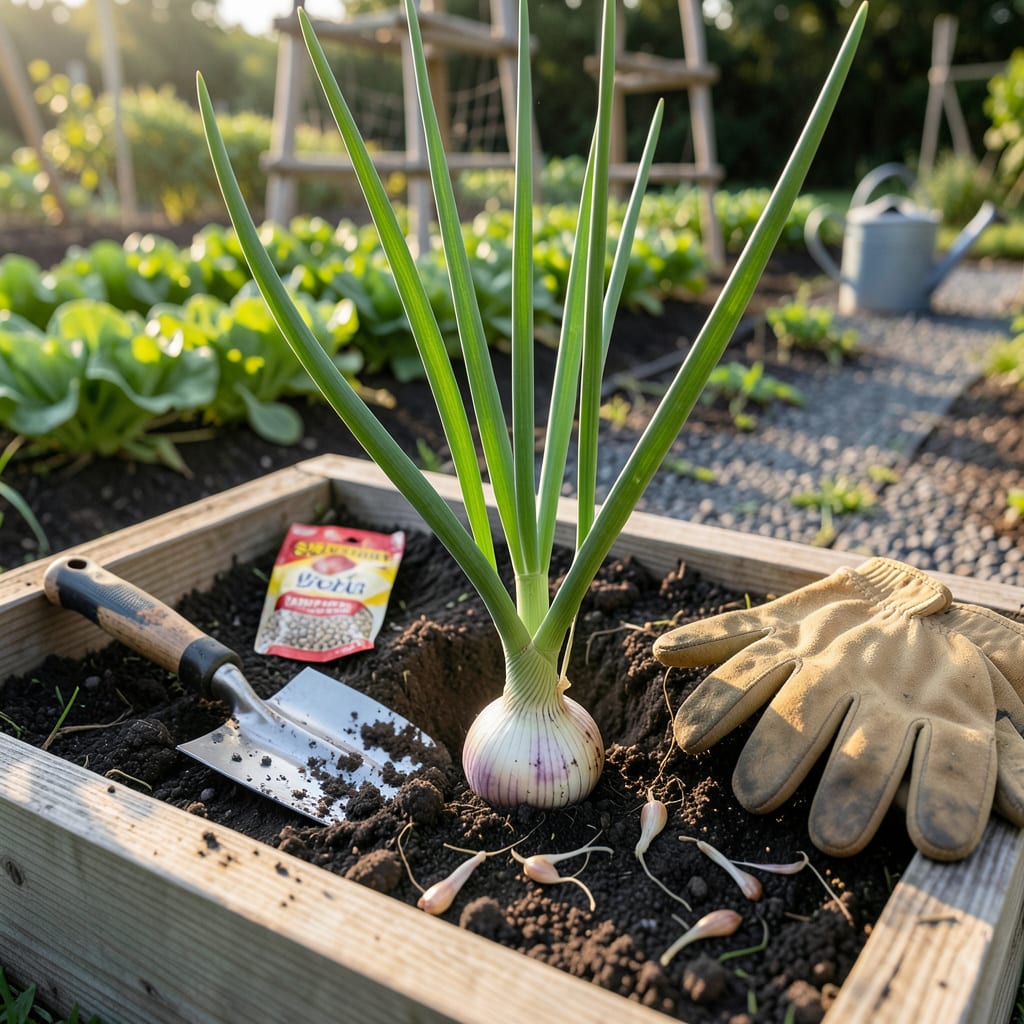
Timing your onion planting in Connecticut can mean the difference between a bountiful harvest and a garden disappointment. Our state’s Zone 6 climate offers two prime windows—spring and fall—but nailing those dates is the key to sweet, robust bulbs.
Whether you’re planting sets or seeds, I’ll break down the exact weeks to get those 🧅 in the ground—before frost threatens or summer heat stalls growth. You’ll also learn which varieties thrive here and how to prep your soil for maximum yields. Let’s get it right the first time.
If you’ve ever wondered why your Connecticut onions didn’t size up or turned bitter, chances are it’s all about timing. As a Zone 6 gardener, I’ve learned that CT’s finicky springs and early frosts demand precision. Plant too soon, and a late cold snap stunts growth. Wait too long, and bulbs won’t mature before summer heat kicks in.
The secret? Working backward from our last frost date (typically April 15–May 1 in most of CT). Onion sets and transplants thrive when soil hits 50°F, which usually happens in early April for coastal areas and mid-April inland. Seeds need a head start—8–10 weeks indoors before transplanting.
| Planting Method | Spring Window | Fall Window | Soil Temp |
|---|---|---|---|
| Onion Sets | Late March–Early April | Mid-August–Early Sept | 50°F+ |
| Transplants | Early–Mid April | Late August | 55°F+ |
| Seeds Indoors | Late February | N/A | 70°F (germination) |
| Direct-Seeded Outdoors | Early April (risky) | N/A | 60°F+ |
✅ Pro Tip: Coastal CT (Zone 7a) can plant 7–10 days earlier than inland areas.
For spring-planted onions, aim to get sets or transplants in the ground 4–6 weeks before your last frost. In Fairfield County, that’s often late March, while Litchfield County gardeners should wait until early April. Fall planting is trickier—shoot for 6–8 weeks before first frost (around October 15) so roots establish before winter.
Soil temperature is your best friend here. I use a $10 soil thermometer to check depths of 2–3 inches. Below 50°F, onion sets sulk; above 75°F, seeds may dormancy-sprout erratically. A black plastic mulch can warm soil 5–10°F faster in early spring—game-changer for CT’s cool, wet Aprils.
Short-day vs. long-day varieties matter in CT. Since we’re at a mid-latitude (around 41°N), intermediate-day onions like ‘Candy’ or ‘Red Zeppelin’ perform best. Avoid short-day types (e.g., ‘Texas Early White’)—they’ll bolt before bulbing. For fall planting, ‘Electric’ or ‘Siskiyou Sweet’ overwinter reliably.
If you’re starting from seeds indoors, begin 8–10 weeks before transplanting (late February for most of CT). Use a heat mat to maintain 70°F soil temp for germination. Transplant seedlings when they’re pencil-thick and soil outdoors hits 55°F. Harden them off for 5–7 days to avoid shock.
Fall-planted onions need extra TLC. Mulch with 4–6 inches of straw after the ground freezes to prevent heaving. In spring, remove mulch as soon as new growth appears to avoid rot. These onions will be ready for harvest by late June–July, often sweeter than spring-planted bulbs due to slower growth.
Watch the 10-day forecast like a hawk. If temps dip below 28°F after planting, cover sets with frost blankets or cloches. I lost a whole bed one year to a late April freeze—lesson learned! For fall plantings, stop watering 2 weeks before harvest to toughen up bulbs for storage.
Remember, CT’s microclimates vary wildly. Coastal gardens (e.g., New Haven) stay warmer longer, while hilly inland areas (like Torrington) frost earlier. Adjust dates by 1–2 weeks based on your specific location. When in doubt, call your local UConn Extension office—they’ve got hyper-local data.
Even experienced Connecticut gardeners can sabotage their onion crops with avoidable errors. After years of trial (and plenty of error!), I’ve pinpointed the three biggest mistakes that turn promising onion patches into disappointments. The good news? They’re all fixable with a little foresight.
First up: ignoring microclimates. CT’s landscape packs dramatic temperature swings—coastal New London might be 5–7°F warmer than Litchfield Hills on the same day. I once lost an entire bed of ‘Stuttgarter’ sets to a late frost in Thomaston while my friend in Groton harvested hers weeks earlier.
💡 CT Pro Tip: Check your exact frost dates—coastal zones often plant 10 days earlier than inland!
The second blunder is misjudging frost dates. CT’s last spring frost can swing from April 1 in Stamford to May 10 in Norfolk. Planting onion sets too early risks frost damage, while waiting too long means bulbs won’t mature before summer drought. My rule: Coastal gardens plant March 25–April 5; inland, wait until April 10–20.
Third, many gardeners overlook soil prep. Onions crave loose, well-draining soil with a pH of 6.0–7.0. CT’s native soil often runs acidic (pH 5.5) and clay-heavy. I amend my beds with 2 inches of compost and 1 cup of bone meal per 10 ft². Raised beds help in low-lying areas prone to spring flooding (looking at you, Farmington Valley!).
Another common flub? Improper spacing. Crowded onions compete for nutrients, yielding scrawny bulbs. Plant sets 4–6 inches apart in rows 12–18 inches apart. For seeds, thin seedlings to 2 inches apart initially, then 6 inches at bulb formation. I use a seedling ruler to keep spacing consistent—no more guessing!
Watering mistakes round out the top errors. Onions need 1 inch of water weekly, but overwatering causes rot, while underwatering leads to split bulbs. In CT’s rainy springs, I stop watering if we get ½ inch of rain. During summer droughts, I switch to drip irrigation to keep foliage dry and prevent fungus.
Finally, don’t forget pest vigilance. CT’s onion maggots and thrips love tender seedlings. I rotate crops yearly and plant companion carrots to deter pests. At the first sign of yellowing leaves, inspect for maggot damage at the bulb base. A spinosad spray (organic!) nips infestations early.
Not all onions thrive in Connecticut’s Zone 6 climate, but I’ve tested dozens to find the winners. The key is matching day-length requirements to our latitude (around 41°N). Intermediate-day varieties perform best here, balancing bulbing triggers with our 15-hour summer days. Let’s dig into the top picks.
For sweet onions, ‘Candy’ is my go-to. This intermediate-day variety matures in 90–100 days with mild, juicy layers perfect for fresh eating. It stores poorly, so plant in early April for July harvests. ‘Ailsa Craig’ is another star—its globe-shaped bulbs grow huge in CT’s cool springs.
| Type | Best Varieties | Days to Maturity | Key Traits |
|---|---|---|---|
| Sweet | Candy, Ailsa Craig | 90–110 days | Mild flavor, poor storage |
| Storage | Copra, Patterson | 100–120 days | Firm, keeps 6+ months |
| Scallions | Evergreen Hardy White | 60–70 days | Cold-hardy, cut-and-come-again |
| Overwintering | Electric, Siskiyou Sweet | 200+ days | Plant in fall, harvest next summer |
✅ Pro Tip: For fall planting, choose ‘Electric’—it survives CT winters under 6” of mulch.
Need storage onions? ‘Copra’ is my CT champion. This yellow intermediate-day variety stores for 8+ months when cured properly. Its thick skins resist bruising, and the sharp flavor mellows over time. ‘Patterson’ is another winner—its red bulbs hold firmness even in humid CT summers.
For scallions, ‘Evergreen Hardy White’ is unbeatable. This cold-tolerant variety thrives in CT’s spring/fall seasons and regrows after cutting. Sow seeds every 3 weeks from April–September for continuous harvests. ‘Tokyo Long White’ is another great choice for container growing on patios.
Want to experiment with overwintering? ‘Electric’ is the gold standard for CT. Plant sets in late August, mulch heavily, and harvest giant sweet bulbs by early July. ‘Siskiyou Sweet’ is another reliable overwintering variety—its purple-red skins add color to dishes.
For organic gardeners, ‘Red Zeppelin’ resists pink root and onion maggots—two common CT pests. Its deep red layers hold color when cooked. ‘Australian Brown’ is another disease-resistant pick, perfect for high-humidity areas like the Connecticut River Valley.
Onion sets (small bulbs) are easiest for beginners—they mature faster (60–80 days) and handle CT’s cool springs better. Seeds offer more variety options but require 8–10 weeks indoors before transplanting. Sets are ideal for fall planting, while seeds work best for spring starts if you want specific varieties.
Summer planting isn’t ideal—CT’s July–August heat can stress onions, leading to small bulbs or bolting. Stick to early spring (March–April) or late summer (August–September) for fall harvests. If you must plant mid-season, choose scallions or heat-tolerant types like ‘Evergreen Hardy White’.
Cover young plants with frost blankets or cloches if temps dip below 28°F. Coastal gardeners (Zone 7a) can use black plastic mulch to warm soil 5–10°F faster. Inland areas should wait until soil hits 50°F (usually mid-April) or risk stunted growth. Always check the 10-day forecast before planting!
For long-term storage, choose ‘Copra’ (yellow, keeps 8+ months) or ‘Patterson’ (red, firm texture). Cure bulbs in a dry, ventilated area for 2–3 weeks before storing in mesh bags. Avoid sweet varieties like ‘Candy’—they spoil within 4–6 weeks.
Bolting usually happens when onions experience temperature swings (below 50°F or above 75°F) or are planted at the wrong time. In CT, avoid short-day varieties (e.g., ‘Texas Early White’) and plant intermediate-day types like ‘Red Zeppelin’. Consistent watering and mulching also help prevent stress.
