
Beautiful Plants For Your Interior
Beautiful Plants For Your Interior
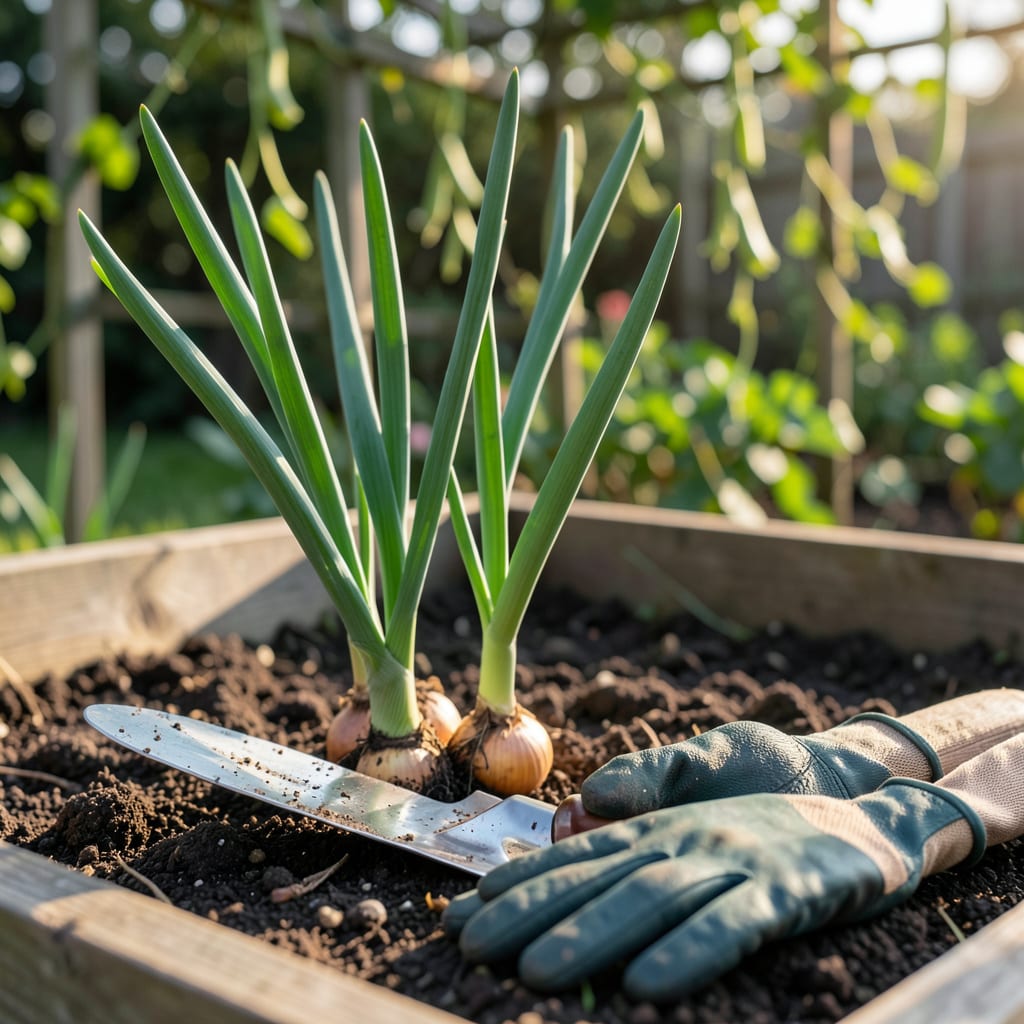
Timing your 🧅 onion sets perfectly in Ohio can mean the difference between puny bulbs and a bumper harvest. Plant too early, and late frosts might wipe out your crop; wait too long, and you’ll miss that sweet spot for plump, flavorful onions.
After years of testing, I’ve nailed down the ideal window for Ohio gardeners—especially in zones 6a-6b. Stick with me, and I’ll show you exactly when to get those sets in the ground for a July-August harvest you’ll be proud of.
If you’ve ever wondered why your onion sets struggle in Ohio, timing is likely the culprit. Our state’s USDA zones 5–6 create a tight window between frost risks and summer heat. Plant too early, and a late freeze stunts growth; plant too late, and bulbs won’t size up before harvest.
Success starts with knowing your last frost date. Northern Ohio (Zone 5) typically sees its final frost around May 1–10, while southern regions (Zone 6) often escape frost by April 15–20. Aim to plant 2–4 weeks before these dates—when soil hits 50°F.☀️
| Region | USDA Zone | Last Frost Date | Planting Window | Soil Temp |
|---|---|---|---|---|
| Northern Ohio | 5a–5b | May 1–10 | Mid-April to late April | 50°F+ |
| Central Ohio | 6a | April 20–30 | Early April to mid-April | 50°F+ |
| Southern Ohio | 6b | April 10–20 | Late March to early April | 50°F+ |
Pro Tip: Use a soil thermometer to confirm temps—don’t guess! Urban areas (like Columbus or Cincinnati) may warm 1–2 weeks earlier than rural spots.
For fall-planted onions, target October 1–15 in southern Ohio (Zone 6) or September 15–30 up north. These sets will overwinter and resume growth in spring, often yielding larger bulbs. Just mulch with 4–6 inches of straw to protect from freeze-thaw cycles.
Soil prep matters too. Onions thrive in well-draining, loose soil with a pH of 6.0–7.0. If your soil is heavy clay (common in Ohio), amend with compost or sand to improve drainage. I’ve seen stunted bulbs in compacted soil—don’t skip this step!
Variety selection impacts timing. Long-day onions (like ‘Sweet Sandwich’ or ‘Walla Walla’) need 14–16 hours of daylight to bulb, making them ideal for northern Ohio. Short-day types (‘Texas Early White’) suit southern gardens better. Check your seed packet for daylight requirements.
Watch the 10-day forecast before planting. If nights will dip below 28°F, hold off or use row covers. Young onion sets can handle light frosts, but hard freezes spell disaster. I once lost a whole bed to a surprise April 25 frost—lesson learned!
Spacing affects bulb size. Plant sets 4–6 inches apart in rows 12–18 inches apart. Crowding leads to small onions, while too much space wastes garden real estate. For green onions, you can plant closer—2 inches apart—and harvest early.
After planting, water deeply to settle the soil, then maintain 1 inch of water weekly. Avoid overhead watering to prevent disease. I use a soaker hose on a timer—set it for early mornings to let foliage dry before evening.
Fertilize lightly at planting with a balanced 10-10-10, then switch to a low-nitrogen 5-10-10 as bulbs form. Too much nitrogen = lush tops but tiny bulbs. Stop fertilizing 4 weeks before harvest to let bulbs cure properly.
By mid-July, watch for yellowing tops—your signal to harvest! Let bulbs cure in a dry, shaded spot for 1–2 weeks before storing. Properly cured onions keep for 6–8 months in a cool, dark place. Now that’s a homegrown payoff!🌱
Even experienced Ohio gardeners can sabotage their onion harvest with avoidable errors. I’ve seen it firsthand—rows of stunted bulbs or plants that bolt prematurely. The good news? These mistakes are easy to fix once you know what to watch for.
First up: planting depth. Onion sets need just 1 inch of soil over their tips—any deeper, and they’ll struggle to sprout. Too shallow? They’ll dry out or topple. Use your finger to poke holes; no measuring tape needed. Trust me, I learned this after a batch of sets rotted in soggy, deeply planted soil.🌱
Quick Fix: A $10 soil test kit from your local extension office saves seasons of frustration!
Another common flub: over-fertilizing with nitrogen. While onions need nutrients, too much nitrogen grows leafy tops at the expense of bulbs. Switch to a low-nitrogen 5-10-10 fertilizer once bulbs start forming. I use a half-strength liquid feed every 3–4 weeks for consistent results.
Timing your watering schedule wrong can also ruin your crop. Onions hate soggy feet but need consistent moisture. Water 1 inch per week, ideally in the morning. Drip irrigation or soaker hoses work best—avoid overhead sprinklers that promote disease. During bulb formation, let the soil dry slightly between waterings to concentrate flavors.
Don’t overlook spacing. Crowded onions compete for nutrients, leading to puny bulbs. Plant sets 4–6 inches apart in rows 12–18 inches apart. For green onions, you can go as close as 2 inches, but give storage onions room to expand. I use a seed tape or marked stick to keep rows straight and evenly spaced.
Finally, many gardeners forget to harden off store-bought sets. If your sets arrive by mail or sit in a warm store, they’ll need 2–3 days of acclimation outside before planting. Spread them in a shaded spot, then gradually expose them to sun. This prevents transplant shock and ensures stronger roots from day one.☀️
When it comes to growing onions in Ohio, you’ve got three options: sets, seeds, or transplants. Each has pros and cons, and the best choice depends on your goals, timeline, and gardening style. After testing all three, I’ve found sets often win for Ohio’s shorter growing season.
Onion sets are immature bulbs grown the previous season. They’re the easiest and fastest route to harvest—typically 90–100 days from planting. Since they’re already partially grown, they handle Ohio’s unpredictable springs better than seeds. Just pop them in the ground, and they’re off to the races.🌱
Best for Ohio: Sets for beginners, seeds for variety lovers, transplants for gardeners short on time but not budget.
Onion seeds offer the most variety—think ‘Ailsa Craig’ or ‘Red Zeppelin’—but require patience. You’ll need to start them indoors 8–10 weeks before transplanting, which means dealing with seedling trays and grow lights. In Ohio, this often means sowing in late February for a late spring transplant.
If you love rare varieties or organic growing, seeds are worth the effort. They’re also the most cost-effective for large plantings. The downside? They’re slower to mature and more vulnerable to pests early on. I once lost a tray of seedlings to damping-off—now I use a fan for airflow and water from below.☀️
Transplants split the difference—they’re faster than seeds but offer more variety than sets. You’ll find them at garden centers in spring, usually sold in bunches. The catch? They’re pricey, and their delicate roots demand careful handling. I reserve transplants for specialty onions like ‘Cipollini’ when I can’t find sets.
For most Ohio gardeners, sets are the sweet spot. They’re affordable, widely available at local stores, and nearly foolproof. Just avoid the biggest sets—they’re prone to bolting. Instead, choose sets ½-inch in diameter for the best balance of vigor and bolt resistance. Plant them pointy-end up, 1 inch deep, and you’re golden.
Onion sets thrive when soil reaches 50°F or higher. Use a soil thermometer to check—Ohio’s clay-heavy soil can stay cooler longer in spring. If temps dip below 40°F, sets may rot or fail to sprout.
Yes! In southern Ohio (Zone 6), plant sets by October 1–15. Northern gardeners should aim for September 15–30. Mulch with 4–6 inches of straw to protect from winter freeze-thaw cycles. These onions often yield larger bulbs come summer.
Cover newly planted sets with row fabric or a lightweight blanket if temps drop below 28°F. Remove coverings during the day to prevent overheating. Urban areas (like Columbus) may escape frost earlier—check local forecasts!
Long-day varieties (e.g., ‘Walla Walla’) need 14–16 hours of daylight to bulb, ideal for northern Ohio. Short-day types (‘Texas Early White’) suit southern gardens with shorter summer days. Always match varieties to your region’s daylight hours.
