
Beautiful Plants For Your Interior
Beautiful Plants For Your Interior
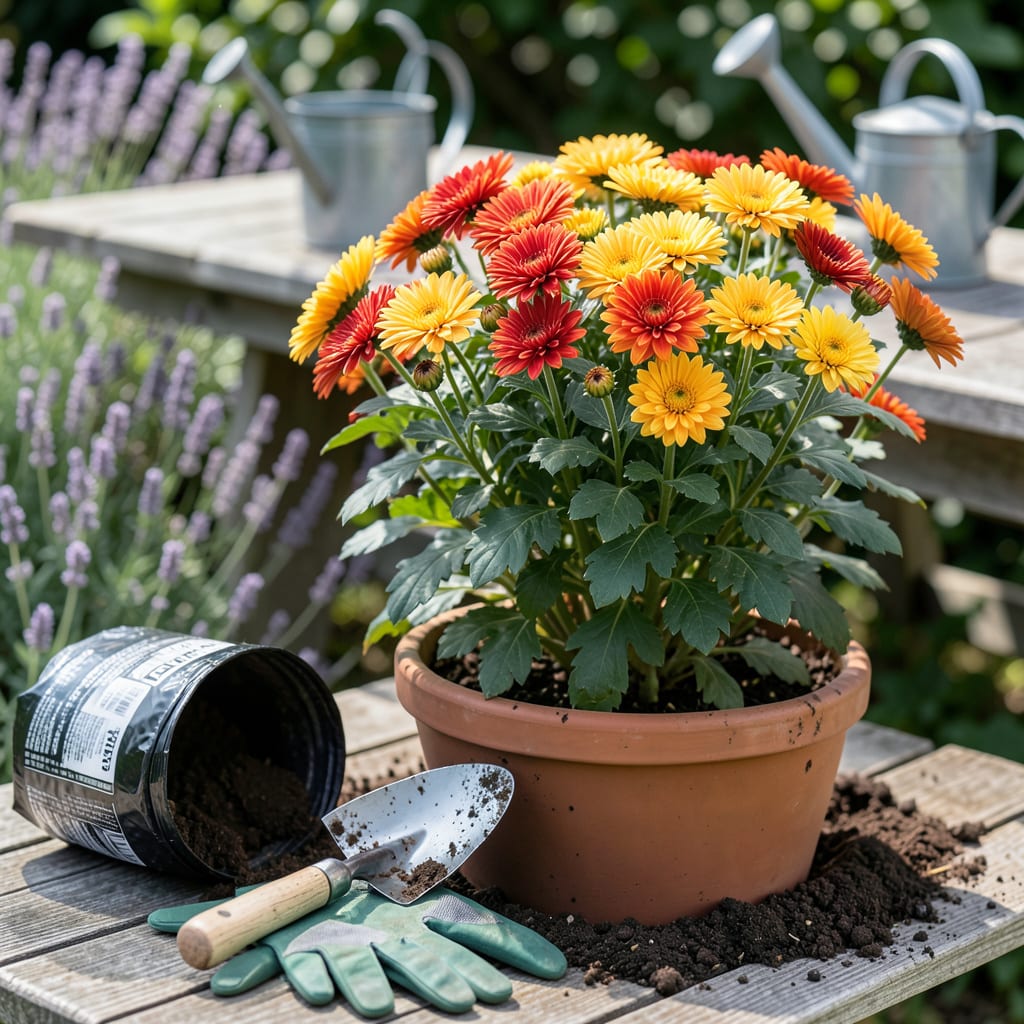
That first crisp autumn breeze carries more than just falling leaves—it’s your cue to bring vibrant 🌼 Chrysanthemum blooms to life in containers. But plant them at the wrong time, and you might end up with leggy stems or frost-damaged buds instead of a burst of fall color.
I’ve learned the hard way that timing makes all the difference. Whether you’re in Zone 6 or a warmer climate, I’ll show you exactly when to pot your mums for showstopping results—and how to keep them thriving longer than you thought possible.
If you want your potted mums (chrysanthemums) to burst with vibrant fall color, timing is absolutely critical. Plant them too early, and summer heat can scorch their leaves; plant too late, and frost may nip their buds before they open. The sweet spot is 6-8 weeks before your first frost—usually late summer to early fall.
For most gardeners in USDA zones 5-7, this means planting in late August to mid-September. If you’re in a warmer zone (8-10), you can push planting into October since frost arrives later. Cooler zones (3-4) should aim for late July to early August to give roots time to establish.
Why does this timing work so well? Planting 6-8 weeks before frost gives your mums enough time to establish roots before cold weather hits. This ensures they’re strong enough to support blooms and survive light frosts. If you plant in spring, you’ll get foliage but fewer fall flowers—mums are short-day plants that bloom as days shorten.
For spring planting (if you want early growth), wait until after your last frost—usually April or May in most regions. However, these plants may not bloom until late fall or even the following year. If your goal is instant fall color, stick to the late-summer-to-fall window.
If you’re in a hot climate (like the Southwest), avoid planting in peak summer heat. Instead, plant in early fall when temperatures drop below 85°F. Mums struggle in extreme heat, so afternoon shade helps if you must plant earlier.
For perennial mums (hardy mums), planting in fall allows them to overwinter and return next year. Florist mums (sold as gift plants) are less hardy and often treated as annuals—plant them anytime for seasonal color, but don’t expect them to survive winter.
If you miss the ideal window, don’t worry! You can still plant mums up to 2-3 weeks before frost, but they may need extra protection (like mulch or a frost cloth) to extend their bloom time. Potted mums are more vulnerable to cold than in-ground plants, so keep an eye on the forecast.
Pro tip: If you’re planting multiple mums in one container, space them 12-18 inches apart to allow airflow and prevent disease. Overcrowding leads to poor blooming and fungal issues, especially in humid climates.
Finally, remember that container size matters. A 5-gallon pot is ideal for one mum, while larger containers (10+ gallons) can hold 2-3 plants. Smaller pots dry out faster, so you’ll need to water more frequently—especially in warm fall weather.
By nailing the timing and giving your mums the right start, you’ll enjoy weeks of bold color just as other plants fade. Whether you’re decorating a porch, patio, or balcony, potted mums will thrive when planted at the perfect moment for your climate. 🌼
Now that you know when to plant mums, let’s dive into how to plant them for maximum success. The right pot size, soil mix, and planting technique make all the difference in how well your mums thrive. Start by choosing a container with drainage holes—this is non-negotiable!
A 5-gallon pot is perfect for a single mum, while larger containers (10+ gallons) can accommodate 2-3 plants. Avoid small pots—they dry out too quickly and restrict root growth. For soil, use a well-draining potting mix blended with compost or perlite to improve aeration and moisture retention.
Before planting, water your mums thoroughly in their nursery pots. This helps reduce transplant shock. Gently remove the plant from its container and loosen the roots if they’re circling. Place the mum in the pot so the top of the root ball sits 1 inch below the rim—this prevents water runoff.
Fill around the roots with soil, pressing lightly to eliminate air pockets. Leave a 1-inch gap at the top for watering. After planting, water deeply until it drains from the bottom. This settles the soil and ensures the roots make good contact. Place your pot in a spot that gets 6+ hours of sunlight daily—mums love sun!
For fertilizing, use a balanced, water-soluble fertilizer (like 10-10-10) at planting time. Follow up with a light feeding every 4-6 weeks during the growing season. Avoid over-fertilizing, which can lead to weak stems and fewer blooms. If your mums look leggy, pinch back the tips in early summer to encourage bushier growth.
In hot climates, provide afternoon shade to prevent wilting. Mulch the soil surface with bark or straw to retain moisture and regulate temperature. For cold regions, group pots together near a south-facing wall to trap heat. Elevate pots on feet or a stand to improve drainage and prevent root rot.
Finally, keep an eye out for pests like aphids or powdery mildew, especially in humid weather. A gentle spray of water can dislodge aphids, while neem oil works well for fungal issues. With the right care, your potted mums will reward you with weeks of stunning color—just in time for fall! 🌼
Once your potted mums start blooming, you’ll want to keep that vibrant color going as long as possible. The key is proactive care—especially as temperatures drop. Start by deadheading spent blooms regularly. This encourages the plant to produce new flowers instead of wasting energy on seeds.
Use sharp scissors or pruners to snip off faded blooms just above a set of leaves. I like to do this every 3-5 days during peak bloom time. If your mums start looking leggy, a light trim can stimulate bushier growth and more buds. Just avoid heavy pruning after mid-October, as new growth may not harden off before frost.
As fall progresses, adjust your watering routine. Mums in pots dry out faster than in-ground plants, but overwatering in cool weather can lead to root rot. Water when the top inch of soil feels dry, usually every 5-7 days. In warmer zones, you might water more frequently, while cooler areas can scale back.
For perennial mums (hardy varieties), a little extra care can help them survive winter and return next year. After the first hard frost blackens the foliage, cut stems back to 3-4 inches and mulch heavily with straw or leaves. Move pots to a protected location, like against a house wall or under a porch, to shield them from wind and freezing temps.
Florist mums (the ones sold as gift plants) are less hardy and usually won’t survive winter. Treat them as annuals and compost them after blooms fade. If you want to try overwintering, bring pots indoors to a cool, dark place (like a basement) and keep soil barely moist. Reintroduce them to light in early spring and resume watering.
To maximize bloom time, consider pot placement. A south-facing spot captures the most sunlight and warmth, which mums love. If frost threatens, move pots to a covered patio or under an overhang. Even a few degrees of protection can add weeks to your display. With these simple steps, your potted mums will stay bright and beautiful long after summer fades. 🌼
It’s risky in most regions. Mums struggle in temperatures above 85°F, which can stress plants and reduce blooming. If you must, choose early morning planting and provide afternoon shade.
For best results, wait until late summer when nights cool down. This mimics their natural fall blooming cycle.
Hardy mums (garden varieties) can overwinter in pots if you cut them back to 3-4 inches after frost and mulch heavily. Florist mums usually won’t survive—treat them as annuals.
Move pots to a protected location (like a garage) during extreme cold. Keep soil slightly moist but not soggy.
A 5-gallon container is the minimum for healthy growth. Smaller pots dry out too quickly and restrict roots. Ensure it has drainage holes—this prevents root rot in wet fall weather.
For multiple plants, size up to 10+ gallons and space them 12-18 inches apart.
Late planting is the most common cause. Mums need 6-8 weeks before frost to establish roots and set buds. If planted too late, they focus on survival rather than flowering.
Check sunlight too—they require 6+ hours daily. Leggy stems with few blooms often signal insufficient light.
Yes, but they need cool, dark conditions (40-50°F). A basement or unheated garage works well. Water sparingly—just enough to prevent soil from drying completely.
Return outdoors in early spring and resume normal care. Not all varieties will rebound, but hardy mums often regrow.
