
Beautiful Plants For Your Interior
Beautiful Plants For Your Interior
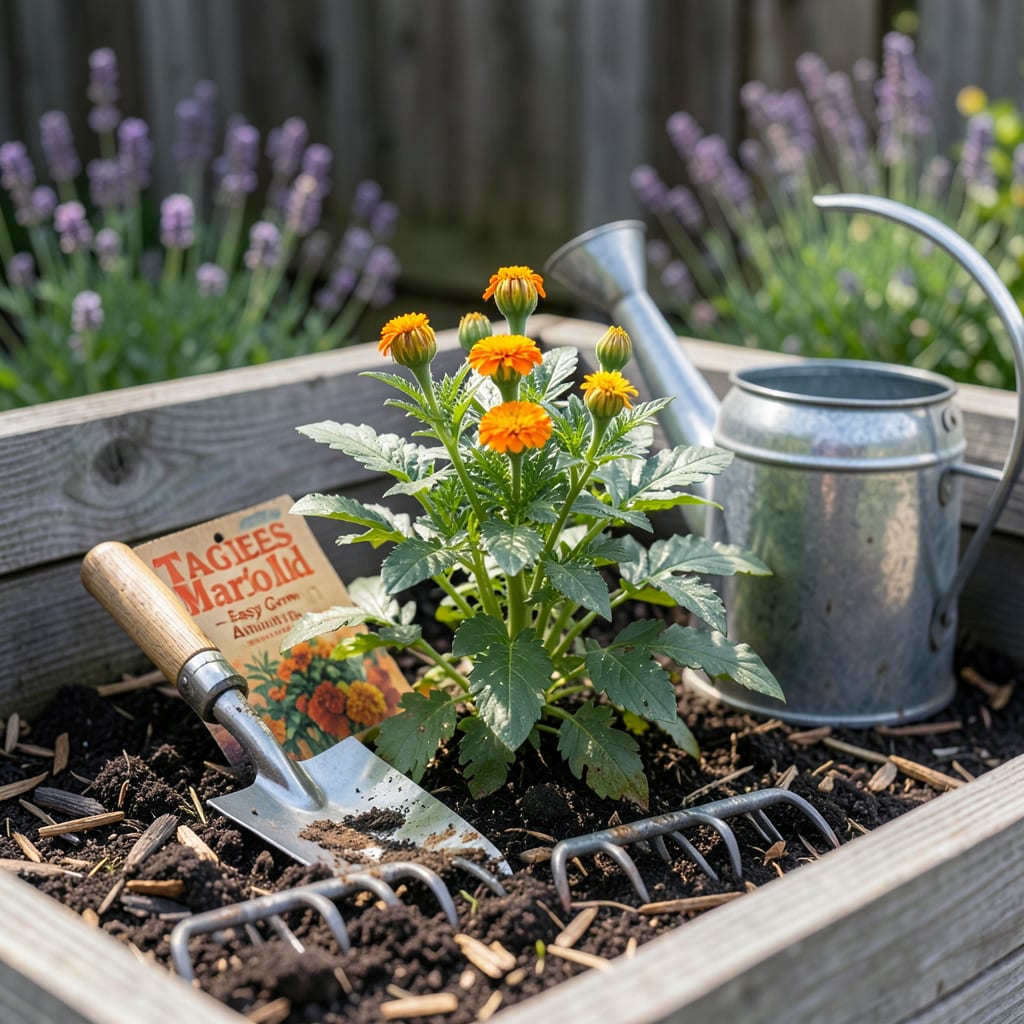
Ever planted marigolds only to watch them struggle in Georgia’s unpredictable weather? You’re not alone—timing is everything when it comes to these vibrant blooms. Plant too early, and a late frost could ruin your efforts; wait too long, and you’ll miss the peak growing season.
After years of testing and tweaking, I’ve nailed down the perfect windows for Georgia gardeners. Whether you’re in the mountains or along the coast, I’ll show you exactly when to get those seeds in the ground for marigolds that thrive—not just survive. Let’s dig in.
If you’ve ever wondered why your neighbor’s marigolds are bursting with blooms while yours struggle, the secret often lies in perfect timing. Georgia’s diverse climate—spanning USDA Zones 7b to 9a—means planting windows vary dramatically from the mountains to the coast. I’ll break down the ideal dates for each region.
Marigolds are frost-sensitive annuals, so your goal is to plant after the last spring frost when soil temps hit 60°F. In North Georgia (Zone 7b), that’s typically late April, while South Georgia (Zone 9a) gardeners can start as early as mid-March. Let’s dive into the specifics.
| Region | USDA Zone | Last Frost Date | Planting Window | Notes |
|---|---|---|---|---|
| North Georgia | 7b | April 15–30 | Late April–May | Wait until soil warms; higher elevation areas may frost later. |
| Central Georgia | 8a–8b | April 1–15 | Mid-April–Early May | Urban areas (Atlanta) warm faster—plant earlier. |
| South Georgia | 9a | March 1–15 | Mid-March–April | Coastal areas can plant earliest; watch for late cold snaps. |
💡 Pro Tip: Use a soil thermometer to confirm temps—don’t rely on air temperature alone!
For fall planting, aim to sow seeds or transplant 8–10 weeks before the first frost. In North Georgia, that means late August to early September, while South Georgia gardeners can plant through October. Fall marigolds often bloom until hard frost and may self-seed for next year.
If you’re starting seeds indoors, begin 6–8 weeks before your last frost date. For example, North Georgia gardeners should start seeds in late February, while South Georgia can begin in January. Use a heat mat to maintain soil temps at 70–75°F for faster germination.
Microclimates matter! Urban areas (like Atlanta) retain heat, allowing earlier planting, while rural or elevated spots (like Dahlonega) stay cooler longer. I always check my local frost maps and keep an eye on the 10-day forecast before planting. A surprise late frost can devastate tender seedlings.
Marigolds thrive in full sun (6+ hours daily) and well-draining soil. If your garden stays soggy, consider raised beds or amend with compost to improve drainage. In South Georgia’s sandy soil, mix in organic matter to retain moisture without waterlogging.
For transplants, harden off seedlings for 7–10 days before moving them outdoors. Set them outside in partial shade for a few hours daily, gradually increasing sun exposure. This prevents transplant shock, which can stunt growth or kill plants in Georgia’s intense spring sun.
If you miss the spring window, don’t worry! Marigolds planted by early June will still bloom prolifically, though they may start later. In Zone 9a, you can even sneak in a second planting in late summer for fall color. Just ensure plants have 4–6 weeks before the first frost to establish.
Remember, marigolds are heat-lovers but wilt in extreme drought. Mulch with straw or shredded leaves to retain moisture and keep roots cool. In South Georgia’s scorching summers, afternoon shade can prevent stress—especially for French marigolds, which are smaller and more delicate.
🌼Even with perfect timing, small errors can sabotage your marigolds. I’ve seen gardeners in Georgia lose entire beds to preventable mistakes—like planting in cold soil or drowning seedlings. Let’s tackle the top three pitfalls so your marigolds thrive from day one.
First up: ignoring soil temperature. Marigolds need 60°F+ soil to germinate and grow. Planting too early in chilly spring soil (common in North Georgia) leads to rot or weak seedlings. Always use a soil thermometer—don’t guess!
💡 Bonus Tip: If your marigolds flop in summer heat, try afternoon shade cloth—especially in Zone 9a!
Another big issue: overwatering in Georgia’s humidity. Our spring and summer moisture can turn marigold beds into swamps. I’ve lost count of how many gardeners assume “more water = better blooms.” Wrong! Soggy soil suffocates roots and invites powdery mildew.
Instead, water deeply but infrequently—about 1 inch per week, including rain. Stick your finger 2 inches into the soil: if it’s dry, water; if damp, wait. In South Georgia’s sandy soil, you might water every 3–4 days, while clay-heavy North Georgia gardens may need only weekly watering.
Finally, don’t overlook sunlight requirements. Marigolds planted in partial shade grow tall and spindly with fewer blooms. I once tucked marigolds beside my tomato plants, thinking they’d share space well—big mistake! The tomatoes shaded them, and the marigolds stretched toward light instead of bushy growth.
Aim for full sun (6+ hours daily). If your garden has patchy sunlight, prioritize marigolds in the sunniest spots or use container gardens you can move. In extreme heat (like July in Zone 9a), a little afternoon shade prevents scorching, but never plant them in deep shade.
One more pro tip: skip the high-nitrogen fertilizer. Marigolds are low-maintenance bloomers—too much nitrogen gives you lush leaves but fewer flowers. I use a balanced 10-10-10 fertilizer once monthly, or compost tea for a gentler boost. In poor soil, a light top-dressing of compost at planting is enough.
🌼Not all marigolds handle Georgia’s sweltering summers and sticky humidity equally. After testing dozens of varieties, I’ve found the top performers that laugh at heatwaves and keep blooming when others wilt. Let’s explore the best types for your region.
For North Georgia’s cooler springs and milder summers, French marigolds like ‘Bonanza’ or ‘Little Hero’ excel. These compact plants (6–12 inches tall) handle temperature swings and bloom nonstop. In Central and South Georgia, go for African marigolds—taller, bolder, and more heat-tolerant.
For drought-prone areas (like South Georgia’s sandy soil), ‘Crackerjack’ is my go-to. Its deep roots access moisture, and it bounces back after wilting. In humid zones (e.g., Savannah), ‘Durango Bee’ resists powdery mildew better than most—critical when nights stay warm and muggy.
If you love cut flowers, ‘African Giant’ varieties produce 4-inch blooms on sturdy stems. For pest control, French marigolds like ‘Nemagold’ repel nematodes and aphids, making them perfect companions for vegetable gardens. Plant them near tomatoes or peppers for natural protection.
Pro tip: In Zone 9a, marigolds often overwinter if mulched heavily. I’ve had ‘Signet’ varieties survive mild winters in Coastal Georgia and rebound in spring. For North Georgia, treat them as annuals—pull after frost and replant in spring for fresh, vigorous blooms.
🌼Atlanta falls in Zone 8a, where the last frost typically hits around April 1–15. Early March is risky—wait until mid-April for warmer soil. If you’re eager, start seeds indoors 6–8 weeks earlier (late February).
Marigolds planted after early June will still bloom but may start later and produce fewer flowers. In Zone 9a, you can plant a second crop in late summer for fall color. Just ensure they have 4–6 weeks before the first frost.
Yes! South Georgia (Zone 9a) warms up faster, so you can plant as early as mid-March. Coastal areas like Savannah also benefit from milder winters, allowing for fall planting through October. Always check local frost maps for precision.
Cover young plants with frost cloth or inverted pots if temps dip below 32°F. In North Georgia, keep row covers handy until late April. For extra warmth, add a layer of mulch around the base.
