
Beautiful Plants For Your Interior
Beautiful Plants For Your Interior
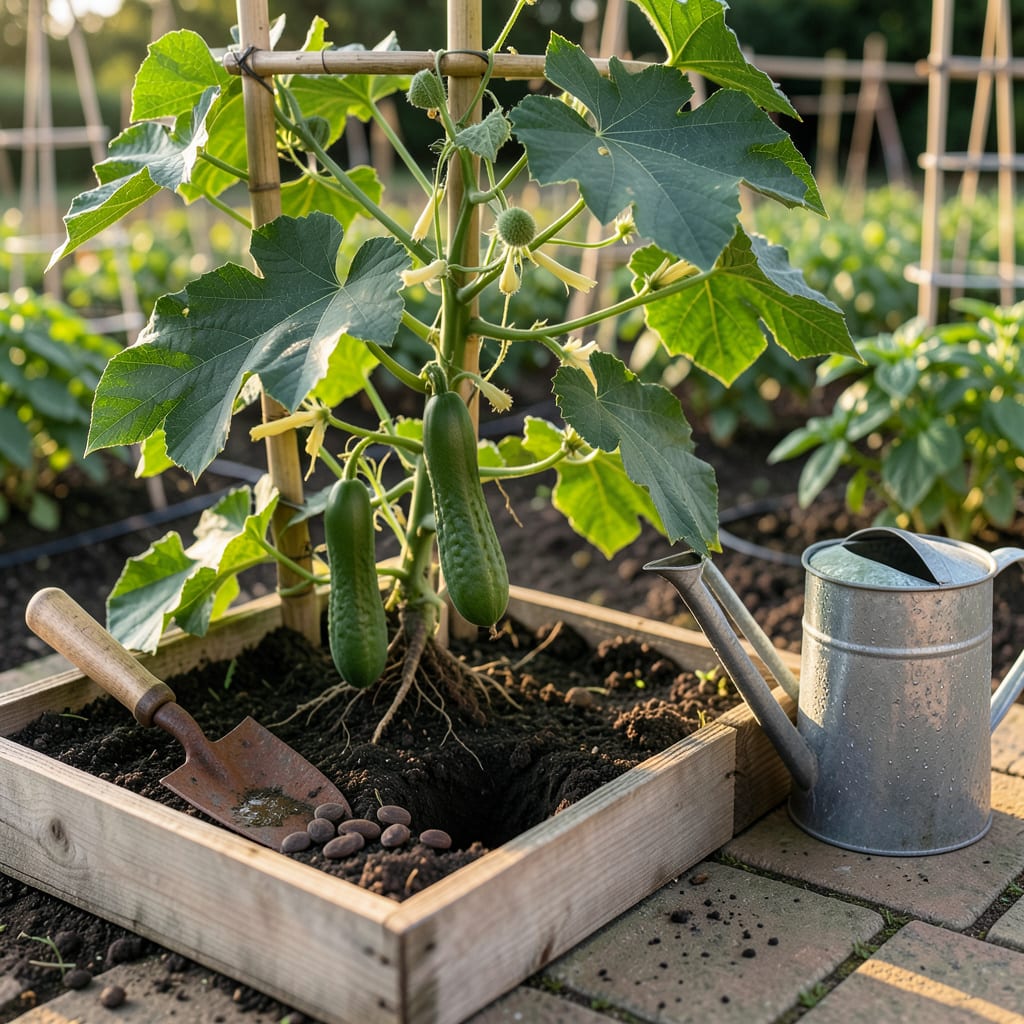
Texas gardeners, here’s your secret weapon for long, fibrous loofah gourds: timing. Plant too early, and a late frost will wipe out your vines. Wait too long, and the summer heat will bake them before they mature. The sweet spot? It’s all about soil temperature and regional climate quirks.
I’ve tested this firsthand—loofah thrives when soil hits 70°F+, but Texas’s diverse zones (from Panhandle chills to Gulf Coast humidity) demand different strategies. Let’s break down the exact months to plant in your area, plus pro tips to speed up germination. You’ll be harvesting homegrown sponges by fall.
If you’ve ever dreamed of growing your own natural sponges, Texas’s long, hot summers are actually perfect for loofah gourds—if you nail the timing. These tropical vines hate cold soil but thrive in heat, so planting too early can spell disaster. I’ll break down the ideal windows for each Texas region.
Loofah seeds need soil temps above 70°F to germinate, and Texas’s diverse climate means your planting date varies wildly. In South Texas, you can start as early as March, while North Texas gardeners should wait until late April or May to avoid late frosts.
| Texas Region | Ideal Planting Months | Last Frost Date | Soil Temp Threshold |
|---|---|---|---|
| North Texas | Late April–May | April 1–15 | 70°F+ |
| Central Texas | Mid-March–April | March 15–30 | 70°F+ |
| South Texas | February–March | February 15–28 | 75°F+ |
| Gulf Coast | March–Early April | March 1–15 | 72°F+ |
| West Texas | April–May | April 10–25 | 70°F+ |
For faster germination, soak seeds in warm water for 24 hours before planting. If your region’s soil is still chilly, start seeds indoors in peat pots 3–4 weeks before transplanting. Loofah vines grow fast—expect 6–10 feet of sprawl in just a few months!
Watch for nighttime temps above 50°F before planting outdoors. A sudden cold snap can stunt or kill young vines. In West Texas, where nights stay cooler, consider using black plastic mulch to warm the soil faster.
Loofahs need 150–200 days to mature, so planting in May gives you a fall harvest before first frost. In South Texas, you can sneak in a second planting in July for a late-season crop—just ensure vines have 100+ days before frost.
Pro tip: Use a soil thermometer to check temps at 4-inch depth. If it’s below 70°F, wait a week and recheck. Loofah seeds rot easily in cold, wet soil, so well-draining beds are a must.
Once planted, loofahs are drought-tolerant but need consistent water during flowering. Aim for 1–2 inches per week, tapering off as gourds mature. Too much water late in the season leads to moldy sponges—nobody wants that!
If you’re in urban areas like Houston or Dallas, watch for heat islands that can push soil temps higher. Here, afternoon shade (from a trellis or taller plants) prevents scorched leaves while keeping vines productive.
Remember: Loofahs are heavy feeders. Work in aged compost at planting, then side-dress with 5-10-10 fertilizer every 3–4 weeks. With the right timing and care, you’ll be harvesting homegrown sponges by October! 🌱
Even experienced Texas gardeners can ruin their loofah crop with just a few simple errors. I’ve seen it happen too often—vines that start strong but fizzle out before producing sponges. The good news? These mistakes are easy to avoid once you know what to watch for.
First up: planting too early. Texas weather is unpredictable, and a late cold snap can wipe out young loofah vines overnight. Even in South Texas, where winters are mild, February plantings can backfire if soil temps dip below 70°F. Patience pays off here.
1. Ignoring Soil Temp: Planting in 60°F soil = rotting seeds. Always check with a thermometer!
2. Overwatering Seedlings: Loofahs hate “wet feet”. Water deeply but let soil dry between sessions.
3. Skipping the Trellis: Vines can grow 20+ feet. No support = tangled mess and poor air flow.
The second big mistake? Underestimating water needs during Texas’s 100°F+ summers. Loofahs are drought-tolerant once established, but young plants need consistent moisture. The trick is deep watering—soak the root zone 2–3 times weekly, then let the top inch dry out.
Here’s a pro tip: Mulch is your best friend. A 3-inch layer of straw keeps soil moist and cool, preventing the surface crusting that blocks sprouts. In West Texas, where winds dry soil fast, mulch also reduces evaporation by up to 30%.
Third, many gardeners forget loofahs are heavy feeders. These vines grow fast and furious, depleting soil nutrients quickly. If you skip fertilizer, you’ll get small, weak gourds. I recommend a balanced 10-10-10 at planting, then switch to high-phosphorus 5-10-10 once vines start running.
Finally, don’t overlook pollination. Loofahs need bees to set fruit, but Texas heat can reduce bee activity. Plant pollinator-friendly flowers like sunflowers or zinnias nearby. If bees are scarce, hand-pollinate with a paintbrush in early morning when flowers open. 🌻
Not all loofahs handle Texas’s blazing summers equally. If you want fast-growing vines that produce sponges before frost, you’ll need heat-tolerant varieties. I’ve tested several, and these three consistently outperform others in Texas’s 100°F+ temperatures and unpredictable rainfall.
The key is choosing cultivars with shorter maturity times (under 120 days) and drought resistance. Varieties like ‘Straining Towel’ and ‘Smooth Loofah’ not only survive Texas heat—they thrive in it, producing longer, denser sponges than standard types.
| Variety | Days to Maturity | Heat Tolerance | Sponge Quality | Vine Length |
|---|---|---|---|---|
| Straining Towel | 110–120 days | Excellent | Firm, dense fibers | 10–15 ft |
| Smooth Loofah | 100–110 days | Very High | Soft, exfoliating | 8–12 ft |
| Angled Loofah | 120–130 days | Good | Coarse, durable | 12–20 ft |
‘Straining Towel’ is my top pick for North and West Texas, where nights stay cooler. Its thick skin resists sunburn, and the 12-inch sponges are perfect for heavy-duty scrubbing. For Gulf Coast humidity, ‘Smooth Loofah’ resists fungal issues better than others.
If you’re in South Texas, where the season is longer, ‘Angled Loofah’ gives you extra-large sponges (up to 2 feet!). Just be sure to provide a sturdy trellis—these vines can weigh 20+ pounds when loaded with gourds. Prune side shoots to focus energy on sponge production.
For container gardeners, ‘Smooth Loofah’ is your best bet. Its compact vines (8–12 feet) fit on a 5-gallon trellis setup. Use a well-draining potting mix with added perlite, and water daily in peak summer. Feed with liquid kelp every 2 weeks for stronger fibers.
All these varieties need full sun (6–8 hours) and consistent moisture during flowering. Once gourds form, reduce watering to prevent mold. Harvest when skins turn yellow-brown and feel lightweight—that’s when the fibrous skeleton is ready! 🌿
Loofah seeds need soil temps above 70°F to germinate successfully. In Texas, this typically means waiting until late spring for most regions. Use a soil thermometer to check at 4-inch depth—if it’s below 70°F, hold off for a week.
Start seeds in peat pots 3–4 weeks before your last frost date. Soak seeds in warm water for 24 hours first to speed up germination. Transplant carefully once soil outdoors reaches 70°F+ and nighttime temps stay above 50°F.
Use 3 inches of straw mulch to keep roots cool and reduce evaporation. In extreme heat (100°F+), provide light afternoon shade with a trellis or shade cloth. Water deeply 2–3 times weekly, but avoid wetting leaves to prevent sunburn.
Loofahs need 150–200 days to mature. In North Texas, plant by early June for a fall harvest. South Texas gardeners can push it to mid-July if using fast-maturing varieties like ‘Smooth Loofah’ (100–110 days).
Lack of pollination is the top culprit. Texas heat can reduce bee activity, so plant pollinator-friendly flowers nearby. If bees are scarce, hand-pollinate with a paintbrush in early morning. Also check for over-fertilizing (too much nitrogen = leafy vines, no flowers).
