
Beautiful Plants For Your Interior
Beautiful Plants For Your Interior
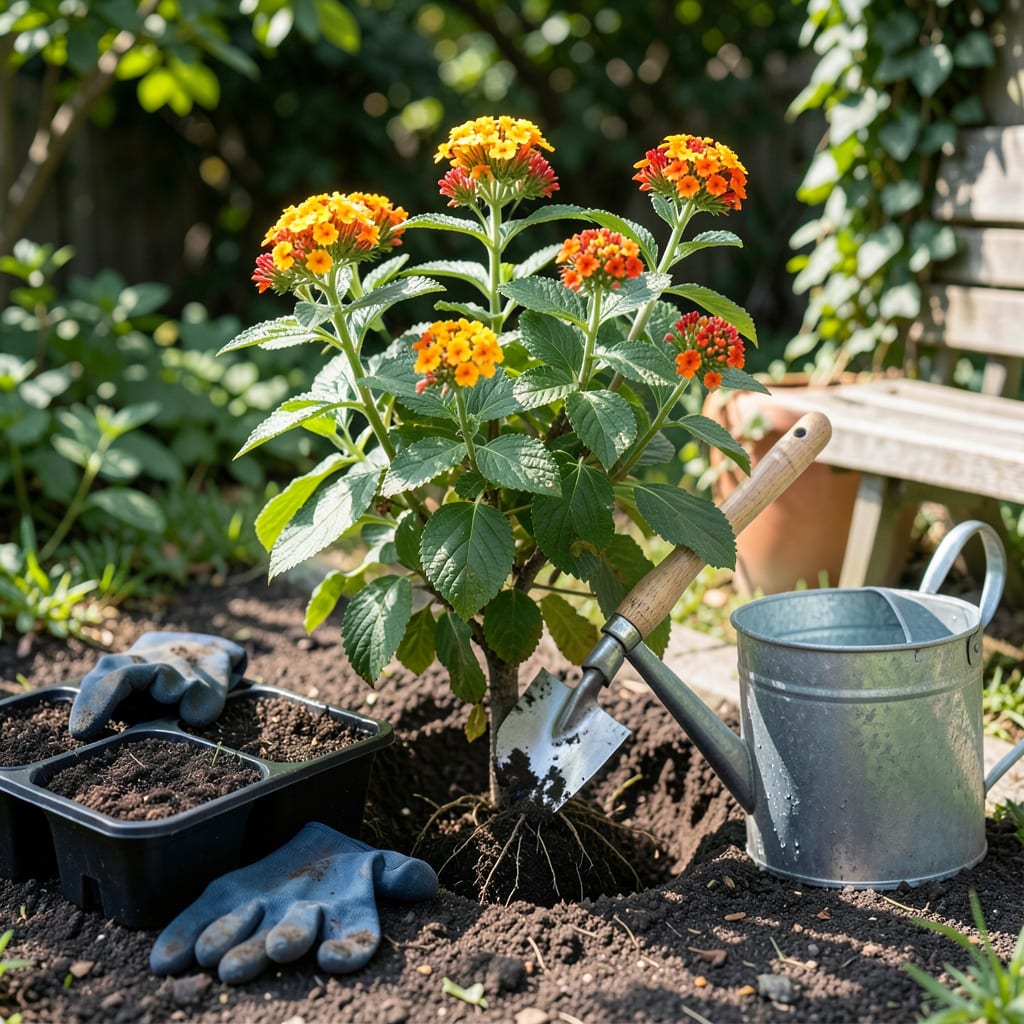
Timing your 🌼 Lantana planting in Texas can mean the difference between a lackluster garden and a vibrant, bloom-packed oasis that thrives in the heat. Plant too early, and unexpected frosts might sabotage your efforts—wait too long, and you’ll miss weeks of those iconic, sun-loving flowers.
After years of testing what works (and what doesn’t) in Texas’s unpredictable climate, I’ve nailed down the perfect heat-proof schedule for zones 8a-9b. Stick with me, and I’ll show you how to get nonstop color from spring straight through fall—without the guesswork.
If you’re eager to fill your Texas garden with lantana’s vibrant, heat-loving blooms, timing is your secret weapon. This tough-as-nails perennial thrives in our scorching summers, but planting too early or late can mean the difference between a showstopper shrub and a struggling sad sapling.
Texas spans USDA Zones 6b–10a, meaning your ideal planting window shifts dramatically from the Panhandle to the Rio Grande Valley. In South Texas (Zones 9–10), you can start as early as February, while North Texas gardeners (Zones 7–8) should wait until mid-March to avoid late frosts.
| Region | USDA Zone | Best Planting Months | Last Frost Date | Heat Note |
|---|---|---|---|---|
| North Texas (Dallas, Fort Worth) |
7b–8a | March 15–May 1 | March 15 | Avoid June’s 100°F+ spikes—plant early! |
| Central Texas (Austin, San Antonio) |
8a–8b | March 1–April 30 | February 28 | Drought-tolerant but needs deep watering first month. |
| South Texas (Houston, Corpus Christi) |
9a–10a | February 15–April 15 | February 15 | Humidity-loving—space for airflow to prevent fungus. |
| West Texas (El Paso, Lubbock) |
7a–8b | April 1–May 15 | April 1 | Low humidity—mulch heavily to retain moisture. |
For fall planting, aim for September–October in most regions. This gives roots time to establish before winter dormancy, leading to earlier spring blooms. In Zone 10a (far South Texas), lantana can even bloom year-round if protected from rare freezes.
Soil temperature is your cue: lantana thrives when soil hits 60°F+. Use a soil thermometer or watch for native wildflowers blooming—that’s nature’s signal! In urban heat islands (like Houston or Dallas), concrete radiates warmth, letting you plant 1–2 weeks earlier than rural areas.
Pro tip: If you’re in Zone 8b or warmer, try ‘Miss Huff’ lantana—it’s cold-hardy to 10°F and bounces back after freezes. For containers, plant 2–3 weeks later than in-ground to avoid root rot from spring rains.
Still unsure? Check your local county extension office for hyper-local frost dates. Or observe your neighbors: when their crape myrtles leaf out, it’s safe to plant lantana. This heat-seeking superstar rewards perfect timing with months of pollinator-friendly blooms!
Remember, lantana hates wet feet. If your region’s had a soggy spring (looking at you, East Texas!), plant on a slight mound or in raised beds to improve drainage. Pair with drip irrigation for the first month to encourage deep root growth.
Once established, lantana laughs at Texas heat. But that first month is critical—water deeply 2x/week until roots dig in. Then sit back and enjoy the butterfly magnet you’ve created! For nonstop color, deadhead spent blooms and fertilize lightly in early summer with a balanced 10-10-10.
In Zone 9–10, lantana can spread aggressively. Contain it with edging or plant in containers if you prefer a tidier look. For cold-prone zones (6–8), mulch heavily in late October to protect roots—even “hardy” varieties appreciate the cozy blanket!
🌼Even the toughest plants like lantana can struggle if you make these common Texas mistakes. I’ve seen gardeners unknowingly sabotage their blooms by overlooking simple regional quirks. Let’s fix that before you even pick up your trowel!
First up: ignoring soil drainage. Texas clay is notorious for holding water like a sponge, and lantana hates wet feet. If your soil stays soggy after rain, you’re setting up roots for rot. The fix? Work in 3–4 inches of compost and plant on a slight mound.
Problem: Our heavy clay suffocates roots and traps moisture.
Solution: Mix in expanded shale or pine bark fines to improve drainage.
Pro Tip: For containers, use a cactus/succulent mix cut with 30% perlite.
Next, don’t fall for the “more sun = better” myth. While lantana craves 6+ hours of sun, Texas afternoons can scorch young plants. In Zone 9–10, dappled afternoon shade prevents leaf burn during 100°F+ stretches. Watch for wilting before noon—that’s your plant crying for shade!
Here’s the sneakiest mistake: planting too deep. Lantana stems rot if buried. Keep the root ball level with soil surface, then water deeply to settle. I like to leave ½ inch of root ball exposed in clay-heavy areas for extra insurance against rot.
Watering missteps round out the top three. Many Texans either drown new plants or forget them entirely. The sweet spot? Deep water 2x/week for the first month, then taper to 1x/week. Use the finger test: if the top 2 inches are dry, it’s time to water. In West Texas, add a 3-inch mulch layer to combat evaporation.
Finally, skip the generic fertilizer. Lantana thrives on neglect but responds to a light 10-10-10 feed in early summer. Avoid high-nitrogen mixes—they’ll give you leafy monsters with few blooms. For organic gardens, top-dress with composted manure in spring.
🌼Texas summers don’t just test gardeners—they test plants. But lantana? It thrives in the heat if you know how to play to its strengths. With a few simple tweaks, you can stretch those vibrant blooms from spring straight through fall, even when temps hit 100°F+.
The secret starts with variety selection. Not all lantanas are created equal in Texas heat. I swear by ‘New Gold’ for its drought resistance and nonstop golden blooms, while ‘Bandana Cherry’ adds bold reds without wilting. For cold-prone zones, ‘Miss Huff’ laughs at light freezes.
When triple-digit temps hit, lantana may pause blooming to conserve energy. Don’t panic! Keep soil consistently moist (not soggy) and trim back leggy growth by one-third. This shock therapy often jumpstarts a second flush of blooms in late summer.
For container-grown lantana, size matters. Use pots at least 12 inches wide with drainage holes. In small containers, roots overheat—elevate pots on brick feet to improve airflow. Feed potted plants every 4 weeks with a liquid bloom booster.
As fall approaches, give your lantana a light trim in early September to remove straggly growth. In Zones 8–9, add a 1-inch layer of compost around the base to fuel winter root growth. For Zone 7, cut back stems by half after first frost and mulch with straw.
Want year-round color in South Texas? Pair lantana with salvias and zinnia for a pollinator buffet. In colder zones, interplant with cool-season annuals like pansies to keep beds vibrant when lantana rests. Remember: even “drought-proof” plants need winter water in dry spells!
🌼In most regions, aim for early June at the latest. South Texas gardeners can push to mid-June, but North Texas should stick to May to avoid 100°F+ stress. Fall planting? September–October works statewide for spring blooms.
In Zones 8–10 (most of Texas), lantana behaves as a perennial and returns yearly. In Zone 7 (Panhandle), it may die back but often regrows from roots. For guaranteed returns, choose cold-hardy varieties like ‘Miss Huff’ or mulch heavily in winter.
Focus on deep morning watering (before 9 AM) and weekly deadheading. Use 30% shade cloth in Zone 10 during peak heat. A light summer feed (half-strength 10-10-10) in June and August keeps blooms coming.
Use pots at least 12 inches wide with drainage holes. Plant 2–3 weeks later than in-ground to avoid soggy spring soil. Elevate containers on brick feet to prevent root overheating. Feed every 4 weeks with liquid bloom booster.
Common culprits: too much shade (needs 6+ hours of sun), over-fertilizing (high nitrogen = leaves, not flowers), or overwatering. Check soil drainage—lantana hates wet feet. Prune leggy growth by one-third to encourage new blooms.
