
Beautiful Plants For Your Interior
Beautiful Plants For Your Interior
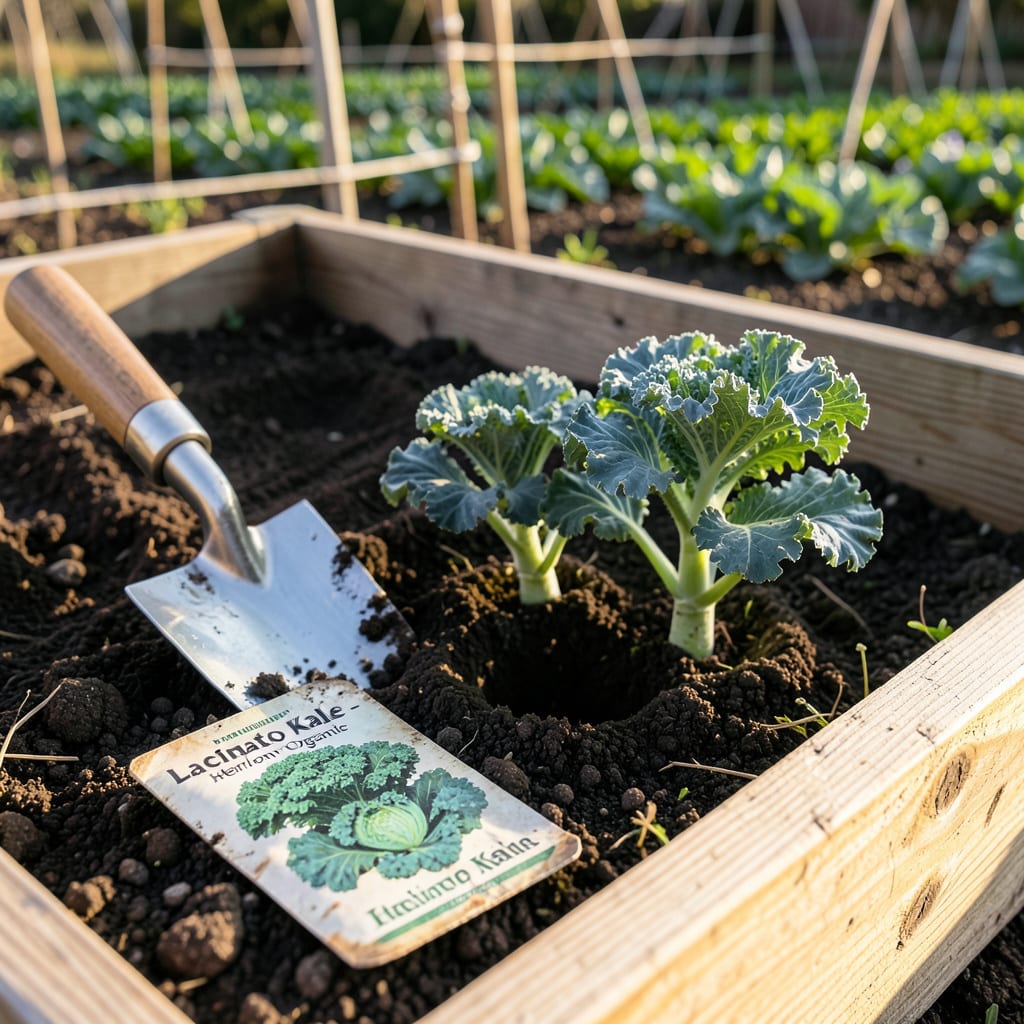
Timing your kale planting in North Carolina can mean the difference between bitter, tough leaves and sweet, tender harvests. I’ve seen gardeners struggle when they plant too late in spring or too early in fall—both mistakes that are easy to avoid with the right schedule.
Whether you’re in the Piedmont or along the coast, our climate gives us two prime windows for growing this cold-hardy green. Let me break down exactly when to get those seeds in the ground—so you can enjoy crisp, homegrown 🥬 long after others have given up for the season.
If you’ve ever bitten into bitter kale or watched your plants bolt prematurely, you know timing is critical in North Carolina. Our state’s diverse climate—from the cooler Piedmont to the milder Coastal Plain—means planting windows vary by region. Get it right, and you’ll enjoy sweet, tender leaves for months.
Kale thrives in cool weather, so the key is avoiding summer’s peak heat. In the Piedmont (Zone 7b), aim for early spring or late summer plantings. Coastal gardeners (Zone 8a) can push dates slightly earlier or later thanks to milder temps. Let’s break down the exact windows for both regions.
| Planting Window | Piedmont (Zone 7b) | Coastal Plain (Zone 8a) | Notes |
|---|---|---|---|
| Spring Direct Sow | March 1–15 | February 15–March 1 | Sow seeds 4–6 weeks before last frost. Coastal areas warm faster. |
| Spring Transplants | March 15–April 1 | March 1–15 | Start indoors 6–8 weeks earlier. Harden off before transplanting. |
| Fall Direct Sow | August 15–30 | September 1–15 | Sow 10–12 weeks before first frost. Coastal areas stay warmer longer. |
| Fall Transplants | August 1–15 | August 15–30 | Transplant 6–8 weeks before frost. Use shade cloth if temps exceed 80°F. |
| Last Frost Date | April 10–15 | March 25–April 5 | Coastal areas frost 2 weeks earlier than Piedmont. |
| First Frost Date | October 15–20 | October 30–November 10 | Piedmont frosts 2–3 weeks earlier than Coastal Plain. |
Notice how the Coastal Plain enjoys a longer growing window? That’s thanks to the moderating ocean influence, which delays frost and softens temperature swings. If you’re gardening near Wilmington or the Outer Banks, you can often sneak in an extra week or two on either end.
In the Piedmont (Raleigh, Charlotte, Greensboro), watch for late spring cold snaps. I’ve lost young kale to a surprise frost in early April—always keep row covers handy. For fall plantings, aim to get seeds in the ground by late August so plants establish before cooler weather slows growth.
Pro tip: Use a soil thermometer to confirm conditions. Kale seeds germinate best when soil temps hit 45–85°F, but 60–70°F is ideal. If your soil is too cold (below 40°F), seeds may rot. Too hot (above 85°F), and germination stalls.
If you miss the spring window, don’t worry—fall kale is often sweeter. Light frosts actually convert starches to sugars, enhancing flavor. Just be sure to plant early enough so plants reach harvestable size (6–8 inches) before winter’s deepest freezes.
For succession planting, sow a new batch every 2–3 weeks until mid-September in the Piedmont or early October on the coast. This staggers your harvest and ensures a steady supply. Pair with quick-maturing varieties like ‘Dwarf Blue Curled’ for reliable results.
Remember, microclimates matter. Urban heat islands, elevation changes, or even a south-facing slope can shift your planting dates by a week or more. When in doubt, check with your local NC Cooperative Extension office for hyper-local advice. Their frost date calculators are gold for NC gardeners.
Finally, if you’re growing in containers, you’ve got more flexibility. Move pots to shadier spots in summer or sheltered areas in winter to extend your season. Just ensure pots are at least 12 inches deep—kale roots need room to stretch.
With these timings, you’ll avoid the two biggest kale killers: bolting from heat and stunted growth from frost. Stick to the calendar, adjust for your zone, and you’ll be harvesting crisp, flavorful leaves well into winter.
🌱Even with perfect planting timing, your kale’s productivity depends on how you care for it through North Carolina’s finicky seasons. I’ve found that a few simple strategies can double your harvest window—whether you’re battling Piedmont heat or Coastal humidity.
First, let’s tackle the biggest challenge: summer heat. Kale bolts (goes to seed) when temps consistently hit 80°F+. But with shade cloth and smart watering, you can keep plants producing longer. Here’s how I stretch my season from early spring to late fall.
Sow new seeds until mid-September (Piedmont) or early October (Coastal). Use fast growers like ‘Dwarf Blue Curled’ (50 days) for reliable late crops.
Drape 30–50% shade cloth over plants when temps exceed 75°F. Secure edges to prevent wind damage and remove it during cooler spells.
Cover plants with row fabric when temps dip below 28°F. Light frosts improve flavor, but hard freezes can damage leaves without protection.
Pick outer leaves first, leaving the central bud intact. This encourages regrowth and extends harvests by 4–6 weeks per plant.
One trick I swear by is interplanting kale with taller crops like tomatoes or trellised beans. The afternoon shade from these “living umbrellas” can drop soil temps by 5–10°F, buying you extra weeks before bolting. Just keep plants 12–18 inches apart to avoid competition.
Watering makes or breaks summer kale. I switch to drip irrigation in June to keep foliage dry and prevent mildew. Aim for 1–1.5 inches weekly, but check soil moisture daily during heatwaves. Mulch with straw or shredded leaves to retain moisture and cool roots.
For fall crops, harden off transplants by exposing them to outdoor conditions gradually over 5–7 days. Start with 2 hours of morning sun, increasing daily. This prevents transplant shock and helps plants establish before cooler weather slows growth. I’ve found hardened plants survive early frosts better than coddled ones.
Don’t overlook variety selection—some kales handle NC’s swings better than others. ‘Winterbor’ and ‘Red Russian’ tolerate heat and cold, while ‘Lacinato’ (dinosaur kale) thrives in Piedmont’s summer humidity. Save delicate varieties like ‘Premier’ for spring/fall only. Always check seed packets for “days to maturity” and choose faster varieties for late plantings.
🌿Not all kale is created equal—especially in North Carolina’s humid summers and mild winters. After years of testing, I’ve found that choosing the right variety can mean the difference between a thriving crop and a bolted, bitter mess. Let’s dive into the best options for our state’s unique conditions.
The key is matching varieties to your region. Piedmont gardeners need heat-tolerant types that won’t bolt in July, while Coastal growers can focus on cold-hardy varieties that sweeten after frost. Here’s my shortlist of winners, tested in NC gardens from Asheville to Wilmington.
For Piedmont gardeners, I always recommend ‘Lacinato’ as your workhorse variety. Its bumpy, dark leaves handle our hot, humid summers better than most, and it regrows quickly after harvest. Pair it with ‘Red Russian’ for a color contrast and earlier harvests—its red-veined leaves add visual appeal to dishes.
Along the Coastal Plain, ‘Winterbor’ is my go-to for winter growing. It survives teens temperatures and actually improves in flavor after frost. For fall plantings, ‘Dwarf Blue Curled’ is a reliable choice—its compact size makes it perfect for small gardens or containers on patios.
If you’re new to growing kale in NC, start with ‘Lacinato’ and ‘Winterbor’. These two cover all seasons: spring, fall, and winter. Once you’ve mastered these, experiment with ‘Red Russian’ for its tender leaves or ‘Scarlet’ for its stunning purple stems. Remember, fall-planted kale often tastes sweeter than spring crops thanks to those light frosts!
🌿Spring-planted kale often bolts faster due to rising temps, while fall crops benefit from cooling weather and sweeten after light frosts. Fall harvests typically last longer, sometimes through winter in Coastal NC.
In most of NC, kale struggles through summer’s heat but thrives in cooler months. Coastal gardeners can sometimes grow it year-round with shade cloth, while Piedmont growers should focus on spring/fall windows.
Use 30-50% shade cloth when temps exceed 75°F, and mulch heavily to retain moisture. Water deeply in mornings and consider afternoon shade from taller plants like tomatoes.
Start with ‘Lacinato’ (Dinosaur) for heat tolerance or ‘Winterbor’ for cold hardiness. Both are forgiving, productive, and widely available at NC garden centers.
Sow seeds by early September in the Piedmont or mid-September on the coast. Transplants can go in 2-3 weeks later if hardened off properly.
