
Beautiful Plants For Your Interior
Beautiful Plants For Your Interior
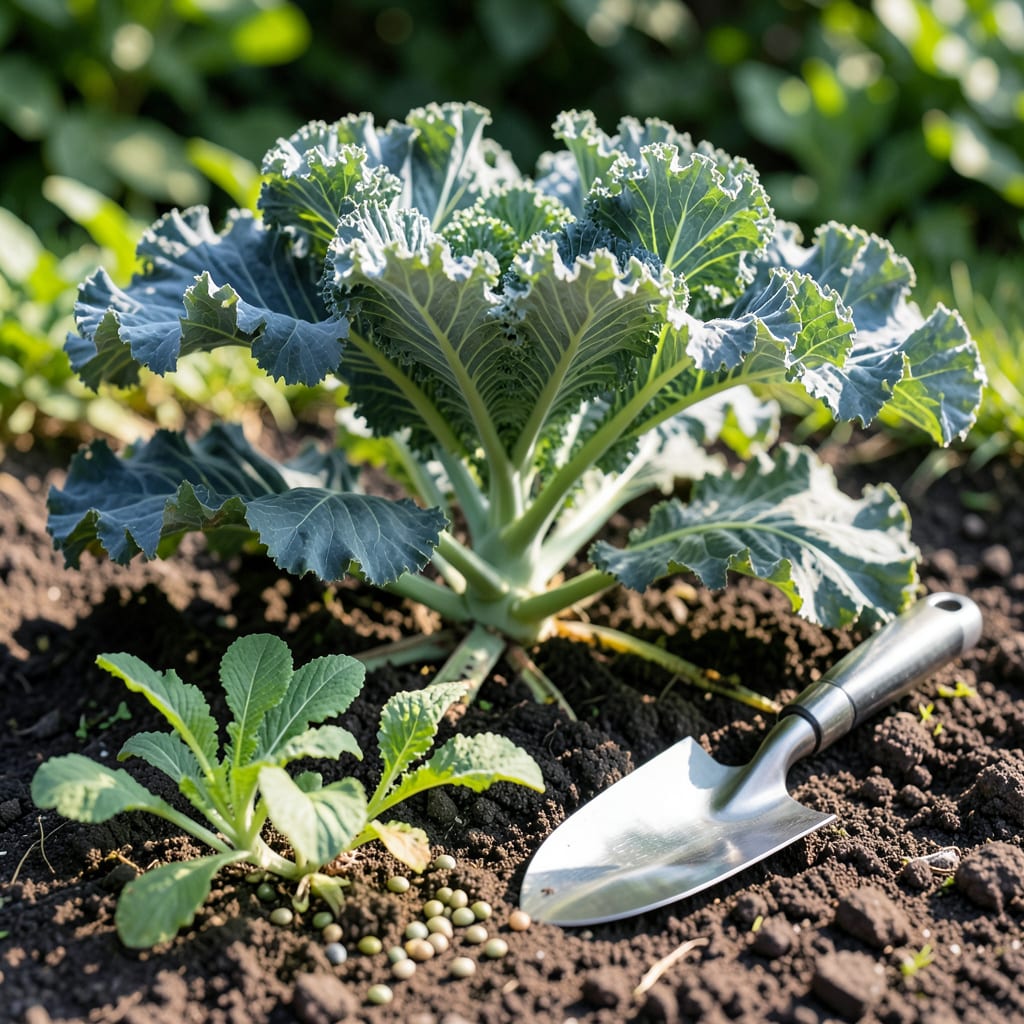
Timing is everything when growing Kale 🥬 for a fall harvest—plant too early and your leaves may turn bitter, too late and frost could ruin your crop.
Discover the perfect window to sow for sweet, tender greens that thrive in cooler weather. I’ll show you exactly when to start for the best results.

I’ve found that perfect timing is the secret to a bountiful kale harvest in fall. The key is planting 6-8 weeks before your first expected frost, giving plants time to mature in cooler weather.
For most gardeners, this means sowing seeds in mid to late summer, but your exact dates depend on your USDA zone. Warmer zones can plant later, while cooler areas need an earlier start.
| Zone | Planting Window | Notes |
|---|---|---|
| 3-4 | Late July | Early start for short season |
| 5-6 | Mid-July to Early August | Ideal for most gardeners |
| 7-8 | Late August to Early September | Avoid extreme summer heat |
| 9-10 | September to October | Plant as temperatures cool |
In Zone 6, I aim for July 15 to August 15 planting. This gives my Lacinato or Winterbor kale about 75 days to reach harvest size before frost hits.
For baby kale, you can plant as late as 4-6 weeks before first frost. These varieties mature in 30-60 days, perfect for quick fall harvests.
If you’re in a warmer zone, like 9 or 10, you might plant in October for a winter harvest. Kale thrives in cool weather and can even handle light frosts.
I always check my local frost dates and count backward. For example, if my first frost is October 15, I plant by early September for full-size kale.
Remember, succession planting works well with kale. I sow new seeds every 2-3 weeks through early fall to extend my harvest window.
Pro tip: Use row covers to protect young plants from heat stress in late summer. This helps ensure strong growth before cooler weather arrives.
With the right timing, you’ll enjoy sweet, tender kale well into fall—and even winter in milder zones. 🌱
I’ve pushed the limits of late planting for fall kale, and here’s what I’ve learned: you can sow seeds as late as 4-6 weeks before your first frost for baby kale varieties. These mature in just 30-60 days. 🌱
For full-size kale, aim for 75-90 days before frost. In my Zone 6 garden, that means planting no later than early September for a October 15 first frost date.
In warmer zones like 8-10, you can plant even later. I’ve seen gardeners in Zone 9 sow in October for a winter harvest. Kale actually tastes sweeter after a light frost.
For container growing, I start seeds in late August and keep pots in partial shade to avoid heat stress. This works well for urban gardeners with limited space.
Pro tip: If you’re running late, opt for transplants instead of seeds. They’ll establish faster, giving you a head start on the fall growing season. 🌿
Remember, kale is cold-hardy and can survive temperatures down to 20°F. With proper protection, you might even harvest through early winter in milder areas.
I’ve learned that light frost actually improves kale flavor, making leaves sweeter and more tender. The cold triggers sugar production in the plant, reducing bitterness naturally.
For the best results, I space plants 12-18 inches apart to ensure good air circulation. Crowded kale can develop bitter leaves due to stress and poor growth conditions.
🌱 Pro Gardener Tip
Avoid over-fertilizing with nitrogen, which causes rapid leafy growth but increases bitterness. Instead, use compost for balanced nutrition.
I always mulch around plants with straw or leaves to maintain even soil moisture. Inconsistent watering can stress kale and make leaves tough or bitter.
For maximum sweetness, I harvest after 1-2 light frosts but before hard freezes. The leaves will be at their peak flavor during this window.
If your kale tastes bitter, try blanching the leaves by covering plants with row covers for a week before harvest. This reduces sunlight exposure and can mellow the flavor.
Remember, younger leaves are naturally sweeter than mature ones. I pick outer leaves first to encourage new, tender growth from the center.
Check your local USDA Hardiness Zone map or agricultural extension office. Most areas have an average first frost date range you can rely on for planning.
Yes! Start seeds indoors 4-6 weeks before transplanting. This gives plants a head start, especially in hot climates where direct sowing might struggle.
Early planting in hot weather can cause bitter leaves or bolt. Kale prefers cooler temps, so wait until 6-8 weeks before your first frost for best results.
Winterbor, Lacinato, and Red Russian excel in cooler weather. These cold-hardy varieties sweeten after light frosts and hold well into winter.
