
Beautiful Plants For Your Interior
Beautiful Plants For Your Interior
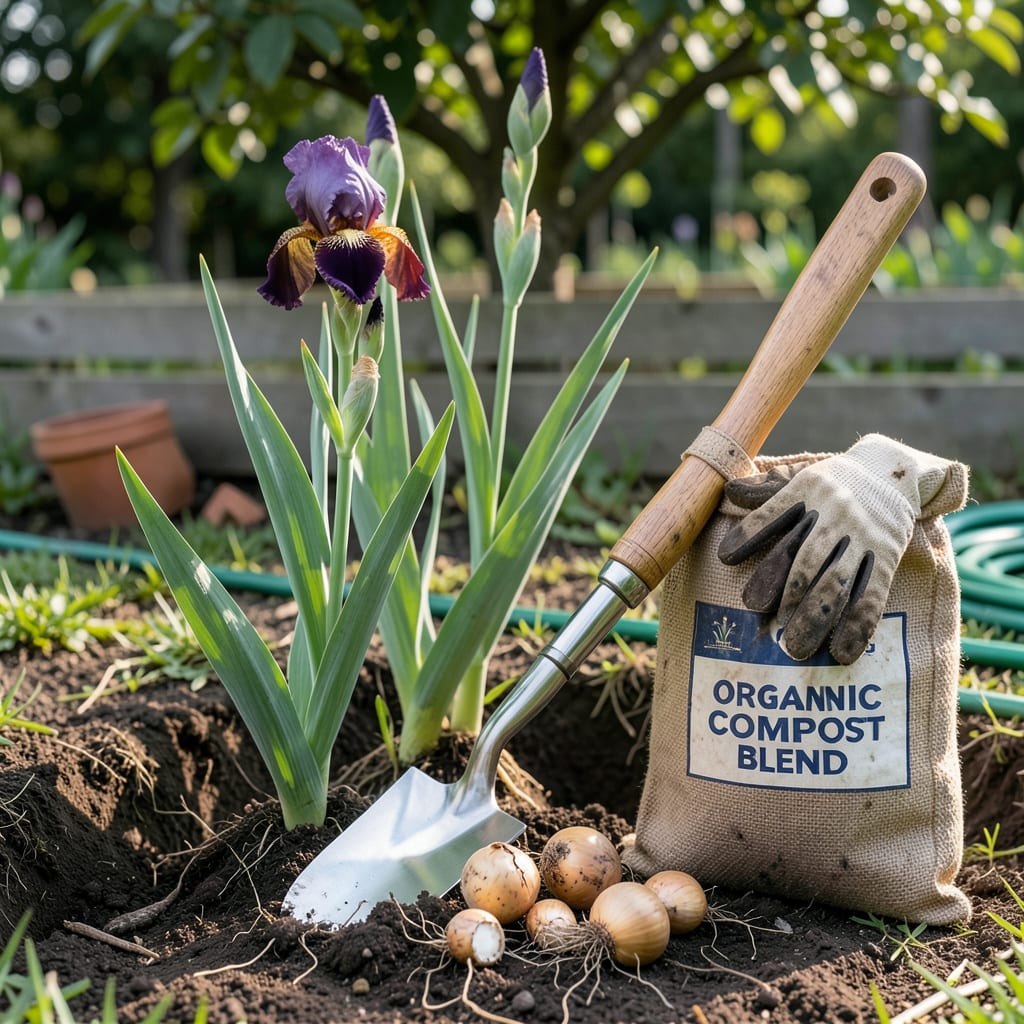
Georgia’s warm climate might trick you into thinking iris bulbs can go in anytime—but timing is everything. Plant too late, and your 🌱 Iris won’t establish roots before winter; plant too early, and summer’s heat could ruin them before they even begin.
After years of testing what works in Georgia’s zones 7a–9a, I’ve nailed the perfect fall window. Let me show you exactly when to get those bulbs in the ground for show-stopping spring blooms—and why this timing beats spring planting every time.
If you want your Georgia garden to burst with vibrant iris blooms next spring, timing your planting is absolutely critical. Unlike many perennials, irises need a fall planting window to establish strong roots before winter. In Georgia’s USDA zones 7a–9a, this means aiming for late September through early November.
Georgia’s climate gives us a unique advantage—our mild winters allow bulbs to develop roots without freezing, while our hot summers make spring the ideal bloom time. But plant too early, and bulbs may sprout prematurely; plant too late, and roots won’t establish properly. Let’s break down the perfect timing for your region.
| Zone | Ideal Planting Window | Soil Temp Goal | Notes |
|---|---|---|---|
| 7a (North GA) | Late Sept–Mid Oct | 60–65°F | Plant earlier to avoid frost risk. |
| 7b–8a (Central GA) | Early–Late Oct | 65–70°F | Perfect for most varieties. |
| 8b–9a (South GA) | Late Oct–Early Nov | 70°F+ | Later planting avoids heat stress. |
Pro Tip: Use a soil thermometer to check temps at 4-inch depth—this is where bulbs root!
Why does fall planting work so well in Georgia? Our warm soil in early fall encourages root growth, while cooler air temps prevent premature sprouting. By planting in October, bulbs get 6–8 weeks to establish roots before dormancy. This is especially key for bearded irises, which need this time to store energy for spring.
If you’re in North Georgia (Zone 7a), lean toward the earlier side of the window—your first frost typically hits in mid-November. In South Georgia (Zones 8b–9a), you can push planting to early November since frosts come later. Always check your local frost dates for precision.
Soil prep matters just as much as timing. Georgia’s clay-heavy soil can suffocate bulbs, so I recommend amending with compost or sand to improve drainage. A slightly acidic pH (6.5–7.0) is ideal. Test your soil a few weeks before planting—this gives you time to adjust if needed.
Once planted, water deeply once to settle the soil, then hold off on more water unless we hit a drought spell. Overwatering in fall can rot bulbs. Instead, focus on mulching with 2–3 inches of pine straw or shredded leaves to protect against temperature swings.
For reblooming iris varieties like ‘Immortality’ or ‘Purple Hill’, fall planting ensures you’ll get both spring and late-summer blooms. These varieties thrive in Georgia’s long growing season but need that early root establishment to perform their best.
If you miss the fall window, don’t panic—you can plant in early spring, but expect reduced blooms the first year. Spring-planted irises often focus on root growth rather than flowering. Stick to fall for the best long-term results and those show-stopping Georgia gardens!
Remember, irises are low-maintenance once established, but they reward careful timing. Mark your calendar for October planting, prep your soil, and get ready for a spring filled with colorful, fragrant blooms that’ll make your neighbors jealous! 🌷
Now that you know when to plant your iris bulbs in Georgia, let’s dive into the how-to. Proper planting ensures your irises not only survive but thrive in our unique climate. From soil prep to post-planting care, I’ll walk you through each step to guarantee those gorgeous spring blooms.
Georgia’s clay-rich soil can be tricky, but with a few simple amendments, you’ll create the perfect home for your irises. The key is well-draining soil—irises hate soggy roots! I’ll show you how to prep your site, choose the right bulbs, and plant them at the ideal depth for maximum success.
Georgia Tip: If your soil is extremely heavy, consider planting in raised beds for better drainage.
When selecting bulbs, opt for firm, plump rhizomes—avoid any that feel soft or shriveled. In Georgia, bearded irises like ‘Georgia Peach’ or ‘Savannah Sunset’ perform exceptionally well. These varieties are bred to handle our heat and humidity, ensuring reliable blooms year after year.
Planting depth is critical—too shallow, and bulbs may heave out of the ground; too deep, and they’ll struggle to sprout. In Georgia’s warm climate, I recommend 3 inches deep for most varieties. If you’re in Sandy South Georgia, you can plant an inch deeper to protect against drying out.
After planting, resist the urge to water frequently. Iris bulbs need moist but not soggy soil. Our fall rains typically provide enough moisture, but if we hit a dry spell, water once a week until the ground freezes. Overwatering is the #1 killer of newly planted irises in Georgia!
Come spring, you’ll be rewarded with stunning blooms—but don’t stop there! After flowering, remove spent blooms but leave foliage intact. This allows the plant to photosynthesize and store energy for next year’s show. In Georgia, I like to cut back foliage in late fall after it turns brown.
With these steps, your irises will not only survive but thrive in Georgia’s climate. Mark your calendar for October planting, follow this guide, and get ready for a garden that’s the envy of the neighborhood next spring! 🌷
Even with perfect timing, small mistakes can ruin your iris blooms. Georgia’s humid climate and heavy clay soil create unique challenges that trip up many gardeners. Let me share the most common errors I see—and how to avoid them for healthy, flowering irises year after year.
One of the biggest issues is improper planting depth. Too shallow, and bulbs may pop out of the ground during winter freezes; too deep, and they’ll struggle to emerge in spring. In Georgia’s warm soil, 3 inches deep is ideal for most varieties, but adjustments may be needed for sandy or clay-heavy areas.
Georgia Fix: Test soil drainage by digging a 12″ hole and filling with water. If it drains in <1 hour, you’re good!
Another critical error is choosing the wrong location. Irises demand full sun—at least 6 hours daily. In Georgia’s intense summer heat, they can handle afternoon shade, but morning sun is non-negotiable. I’ve seen gardeners tuck irises under trees or along north-facing walls, only to get weak, bloomless plants the following year.
Over-mulching is a surprisingly common issue. While mulch protects bulbs from temperature swings, too much (over 3 inches) can suffocate emerging shoots in spring. Stick to 2 inches of pine straw—it’s breathable, insulates well, and breaks down slowly to feed the soil. Avoid heavy wood chips that compact and hold too much moisture.
Many Georgia gardeners also forget to divide clumps every 3–4 years. Overcrowded irises produce fewer blooms and become susceptible to fungal diseases, especially in our humid summers. If your irises aren’t flowering like they used to, dig up the clump in late summer, separate the rhizomes, and replant the healthiest sections with fresh soil amendments.
Finally, don’t overlook soil pH. Georgia’s soil often leans acidic, but irises prefer a slightly acidic to neutral pH (6.5–7.0). A simple soil test from your local extension office can save you years of frustration. If your pH is too low, work in lime a month before planting. Too high? Add sulfur or peat moss to balance it out.
By avoiding these common pitfalls, you’ll set your irises up for decades of stunning blooms. Remember, irises are tough once established, but they need the right start. Plant them properly this fall, and you’ll be rewarded with a low-maintenance, high-impact garden showpiece every spring! 🌿
Spring-planted irises will often skip blooming their first year. They focus energy on root growth rather than flowers. In Georgia’s heat, they may also struggle to establish before summer. Fall planting gives roots 6–8 weeks to develop before winter dormancy.
Check soil temperature at 4-inch depth—it should be 60–70°F for ideal planting. Georgia’s clay soil should also be workable (not sticky or cracked). A simple squeeze test helps: if it crumbles easily, it’s perfect. Too wet? Wait a few days.
Pine straw is ideal because it’s breathable and won’t compact like wood chips. If using other mulch, choose something light like shredded leaves. Avoid heavy materials that retain moisture—Georgia’s humidity already creates enough risk for bulb rot.
This usually means they’re overcrowded or planted too deep. In Georgia’s climate, irises need dividing every 3–4 years. Dig up the clump in late summer, separate healthy rhizomes, and replant with fresh compost. Also check sunlight—less than 6 hours reduces blooms.
A light application of bone meal (1 tbsp per bulb) helps root development. Avoid high-nitrogen fertilizers in fall—they encourage leaf growth when bulbs should focus on roots. In Georgia, our warm winters mean bulbs stay active longer, so phosphorus is key for spring blooms.
