
Beautiful Plants For Your Interior
Beautiful Plants For Your Interior
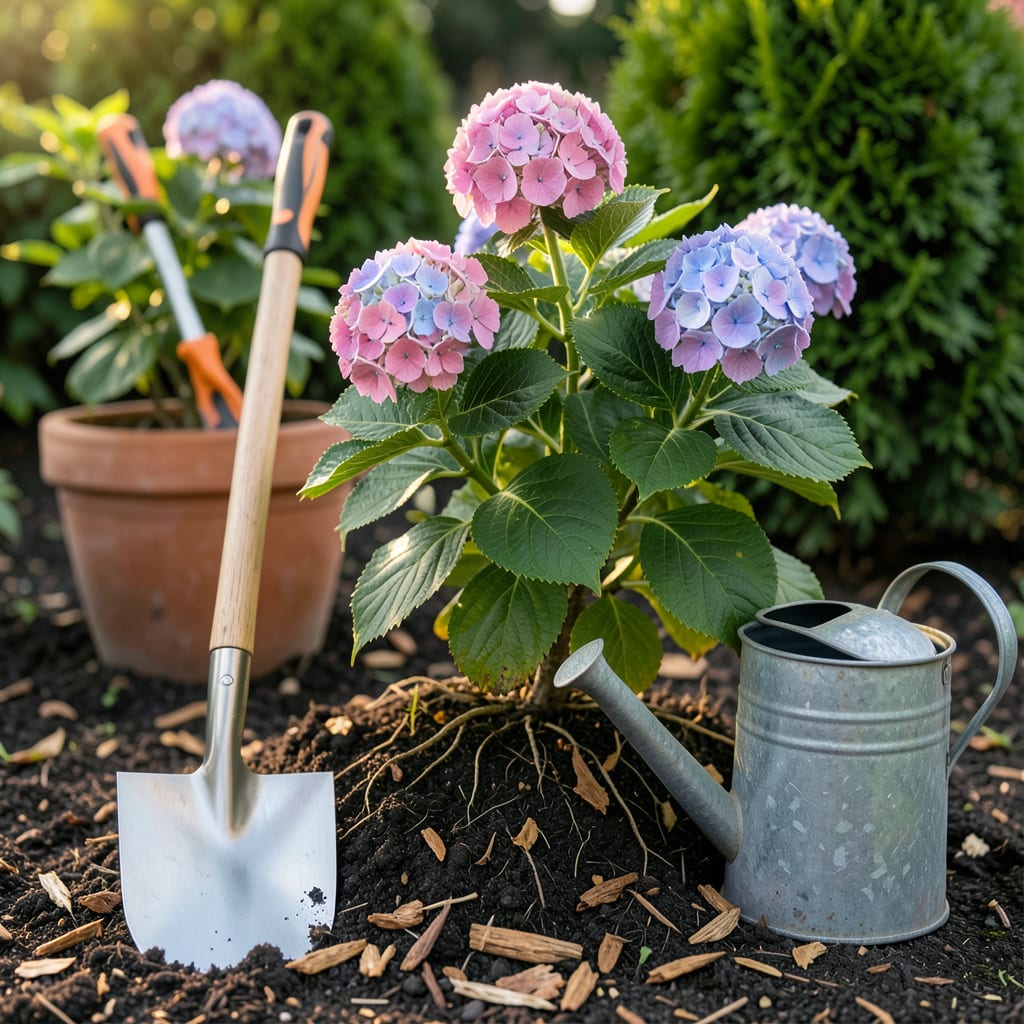
Utah’s dramatic elevation changes and unpredictable frosts can turn planting 💮 Hydrangeas into a guessing game—unless you know the exact windows that work. One wrong move, and you’re stuck with wilting blooms or a shrub that never takes off.
After digging into Utah’s unique climate zones and testing different approaches, I’ve nailed down the best spring and fall timings for thriving hydrangeas. Whether you’re in Salt Lake’s valleys or Park City’s heights, here’s how to get it right the first time.
If you’ve ever wondered why your neighbor’s hydrangeas thrive while yours struggle, the secret often lies in perfect timing. Utah’s dramatic elevation changes—from St. George’s zone 8 to Park City’s zone 4—mean planting windows vary wildly. I’ll break down the exact months to plant for your specific area.
In northern Utah (zones 4-6), late spring (after May 15) is safest to avoid late frosts. Southern Utah gardeners (zones 7-8) can start as early as mid-April. Fall planting works too, but aim for September to give roots time before winter.
For mountain gardens (above 6,000 ft), I always recommend waiting until soil temps hit 50°F. Use a soil thermometer—it’s a game-changer! In lower elevations, fall planting often succeeds better due to milder winters and less transplant shock.
Utah’s alkaline soil (pH 7.5–8.5) can stunt hydrangeas. Before planting, mix in peat moss or sulfur to lower pH to 6.0–6.5. For blue blooms, add aluminum sulfate; for pink, lime. Test soil first—it’s cheaper than replacing sad plants!
If you’re in Salt Lake Valley, watch for inversion layers in spring. These cold air traps can damage new growth. I cover tender plants with frost cloth until mid-May. Southern Utah gardeners should focus on drought-tolerant varieties like ‘Limelight’ panicle hydrangeas.
For container-grown hydrangeas, you can plant slightly earlier (2–3 weeks) since roots are established. Bare-root plants need warmer soil, so stick to the zone-specific windows above. Always water deeply after planting—Utah’s dry air demands it!
Pro tip: Check Utah State University’s frost maps for hyper-local dates. Their Garden Extension offers free soil tests too. I’ve found their ‘Annabelle’ hydrangea trials show it thrives in zones 4-7 with minimal winter dieback.
Remember, elevation trumps zone maps in Utah. A garden in Heber City (zone 5) at 5,600 ft behaves differently than one in Ogden (same zone) at 4,300 ft. When in doubt, ask local nurseries—they know their microclimates best!
Finally, mark your calendar for fall prep in October. Mulch heavily (4–6 inches) with shredded bark to protect roots from Utah’s freeze-thaw cycles. This simple step saved my hydrangeas during the 2022 polar vortex! 🌿
Choosing between spring and fall planting for hydrangeas in Utah isn’t just about preference—it’s about survival. Our short growing season and extreme temperature swings make timing critical. Let me walk you through which season gives your hydrangeas the best shot at thriving.
Spring planting (after last frost) lets hydrangeas establish roots during warmer soil months. But Utah’s late spring frosts (as late as May 15 in some areas) can damage tender new growth. Fall planting, on the other hand, takes advantage of cooler temps and reduced water stress, but roots must grow fast before winter.
For northern Utah gardeners (zones 4-6), I lean toward spring planting because our first frost (as early as September 15) often cuts fall planting windows too short. But in southern Utah (zones 7-8), fall planting shines—milder winters give roots extra time to establish.
If you’re planting bigleaf hydrangeas (H. macrophylla), spring is safer—they’re less cold-hardy and need a full season to toughen up. For panicle hydrangeas (H. paniculata like ‘Limelight’), fall planting works beautifully. Their woodier stems handle Utah winters better.
Here’s my pro tip: In high-elevation areas (above 5,000 ft), always choose spring. The short fall season often isn’t long enough for roots to anchor before freeze-up. But in St. George, fall planting lets you avoid the 100°F+ summer heat that stresses new plants.
No matter which season you choose, soil prep is non-negotiable. Utah’s alkaline clay needs amending with compost and peat moss to help hydrangeas access nutrients. And always mulch heavily (3–4 inches) to protect roots from our wild temperature swings! 🌱
Planting hydrangeas in Utah’s finicky climate means dodging landmines that can sabotage your blooms. I’ve seen even experienced gardeners make these costly errors—but you don’t have to. Here’s what to watch for, from elevation miscalculations to soil pH disasters.
First up: ignoring your exact elevation. A garden in Salt Lake Valley (4,300 ft) behaves nothing like one in Park City (7,000 ft), even if they’re the same USDA zone. Always adjust planting times based on local frost dates, not just zone numbers. I use Utah State University’s frost maps for hyper-accurate data.
Another biggie: planting in full sun. Utah’s intense UV rays and low humidity mean even “sun-tolerant” hydrangeas like ‘Limelight’ need afternoon shade. I lost three plants before learning this the hard way. Aim for morning sun and dappled afternoon shade, especially in zones 7-8.
Utah’s alkaline soil (pH 7.5–8.5) is public enemy #1 for hydrangeas. Without amendment, you’ll get yellow leaves and stunted blooms. Before planting, mix in peat moss or elemental sulfur to lower pH to 6.0–6.5. For blue flowers, add aluminum sulfate; for pink, use lime. Test first—guessing is expensive!
Watering mistakes kill more hydrangeas in Utah than winter cold. Our dry climate demands deep watering (1–2 gallons per plant) 2–3 times weekly for the first month. I use a soaker hose to deliver water directly to roots and prevent evaporation. Mulch with 3–4 inches of bark to retain moisture and regulate soil temp.
Finally, don’t forget winter prep! Utah’s freeze-thaw cycles can heave new plants right out of the ground. After planting, apply 4–6 inches of mulch and wrap stems in burlap if you’re above 5,000 ft. I learned this after losing a prized ‘Annabelle’ to a sudden November cold snap. A little prep goes a long way! 🪴
Aim for 50°F or warmer at a 4-inch depth. In Utah, this typically happens 2-3 weeks after the last frost (mid-April to late May, depending on elevation). Use a soil thermometer for accuracy—it’s the best way to avoid transplant shock.
Container-grown hydrangeas let you start 2-3 weeks earlier than bare-root plants. Just ensure pots have drainage holes and use a high-quality potting mix. Move them to their permanent spot once soil warms and nighttime temps stay above 40°F.
Apply 4-6 inches of mulch (shredded bark works best) around the base, avoiding direct contact with stems. In zones 4-6, wrap stems with burlap after planting. This prevents roots from heaving during winter thaws—a common issue in Utah’s mountain valleys.
Opt for panicle hydrangeas like ‘Limelight’ or ‘Little Lime’—they’re more tolerant of high pH. For blue blooms in alkaline soil, you’ll need to amend with aluminum sulfate annually. ‘Annabelle’ (smooth hydrangea) also thrives with minimal soil adjustments.
Yes! Even drought-tolerant varieties need protection from 1-5 PM sun in zones 7-8. Utah’s intense UV + dry air causes leaf scorch without shade. Use shade cloth or plant near east-facing walls for natural afternoon relief.
