
Beautiful Plants For Your Interior
Beautiful Plants For Your Interior
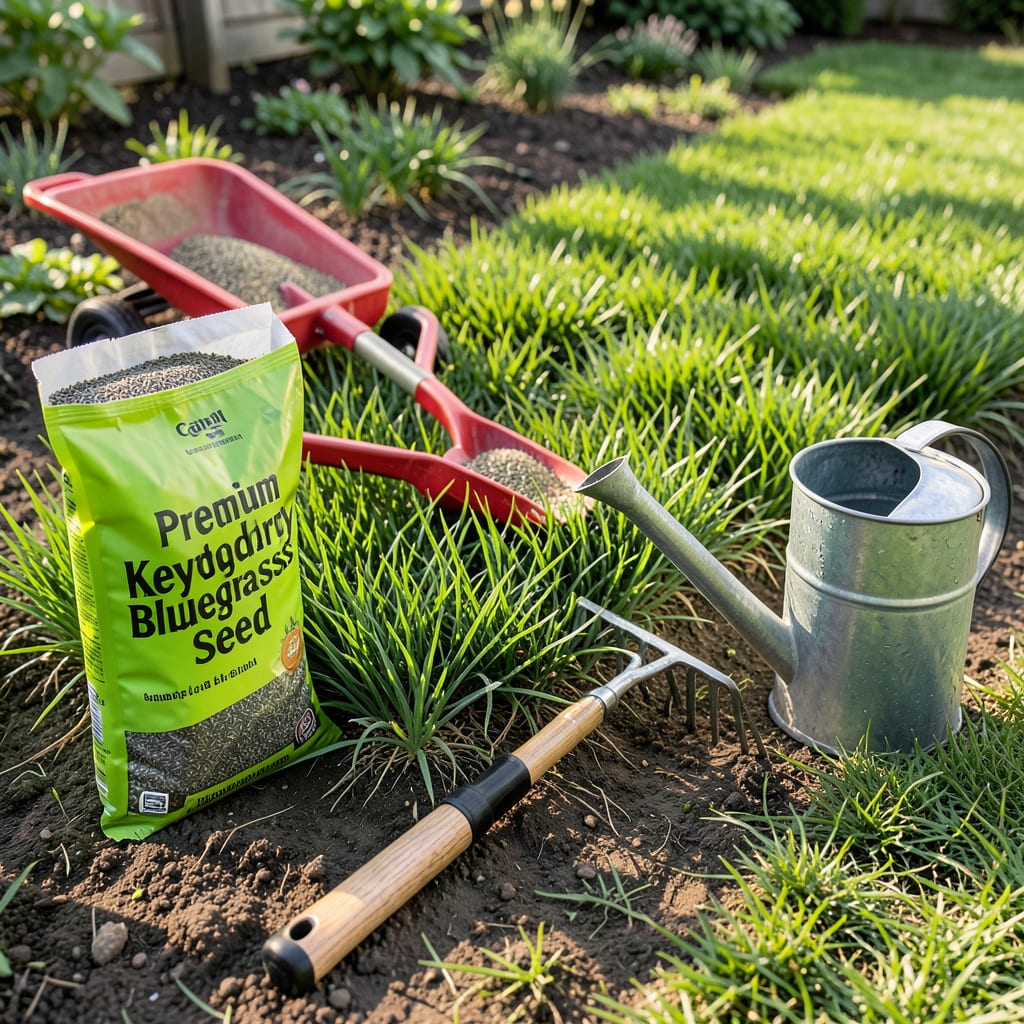
Timing can make or break your Wisconsin lawn. Plant 🌱 too early, and late frosts might wipe out your efforts. Wait too long, and summer heat could fry those tender new sprouts before they even get established.
After years of testing different approaches across Wisconsin’s unpredictable climate, I’ve nailed down the optimal windows for both cool-season and warm-season grasses. Whether you’re in Milwaukee or up near Superior, I’ll show you exactly when to plant for a lawn that stays lush from spring through fall.
Wisconsin’s climate is perfect for cool-season grasses like Kentucky bluegrass, fescue, and ryegrass. These varieties thrive in our spring and fall conditions, where temperatures hover between 60–75°F—ideal for germination and root development.
The secret to success? Soil temperature. Grass seed needs soil consistently above 50°F to germinate properly. In Wisconsin, that typically means late August through mid-September for fall planting, or April through early May for spring.
| Grass Type | Best Planting Time | Soil Temp Needed | Ideal Regions |
|---|---|---|---|
| Kentucky Bluegrass | Late Aug–Mid-Sept | 50–65°F | Statewide |
| Tall Fescue | Early Sept–Early Oct | 55–70°F | Southern WI |
| Perennial Ryegrass | Aug 15–Sept 15 | 50–60°F | Northern WI |
| Zoysia (Warm-Season) | Late May–June | 65°F+ | Southern WI only |
*Soil temps measured at 2″ depth. Northern WI has shorter fall window—plant earlier!
For Northern Wisconsin (Zones 3–4), aim to plant by early September. The growing season ends sooner there, and young grass needs 6–8 weeks to establish before the first frost. I’ve seen lawns fail when planted after September 15 up north.
Southern Wisconsin (Zones 5–6) gets a slightly longer window. You can plant cool-season grasses as late as early October in areas like Madison or Milwaukee. The extra warmth gives seeds more time to root before winter dormancy.
What about spring planting? It’s possible, but comes with challenges. Weeds compete aggressively, and you’ll need to water more frequently. If you go this route, plant April 15–May 15 and use a pre-emergent herbicide to keep crabgrass at bay.
Warm-season grasses like zoysia are rare in Wisconsin but can work in Southern WI’s warmer microclimates. Plant these in late May through June when soil temps hit 65°F+. They’ll go dormant early, so pair them with cool-season grasses for year-round green.
Pro tip: Always check your local frost dates. Wisconsin’s last spring frost ranges from May 1 in Green Bay to April 15 in Milwaukee. Use the University of Wisconsin Extension’s frost map for precise timing in your county.
Before planting, test your soil’s pH—Wisconsin soils often need lime to raise pH for optimal grass growth. Aim for 6.0–7.0 pH. I use a simple $10 test kit from my local garden center. It’s the best investment for a healthy lawn! 🌱
Getting your timing right in Wisconsin means working with our short growing season and unpredictable weather. I’ve broken down the ideal planting windows by month, factoring in soil temperatures, frost dates, and regional differences between Northern and Southern Wisconsin.
Remember, fall planting (late summer to early fall) is your best bet for most cool-season grasses. Spring works too, but requires more maintenance. Warm-season grasses have a narrow window in late spring for Southern Wisconsin only.
*Adjust dates by 7–10 days earlier for Northern WI (Zones 3–4) and 7–10 days later for Southern WI (Zones 5–6).
For Northern Wisconsin (Ashland, Superior, Rhinelander), your fall window closes earlier. I recommend planting by August 25–September 5 to give grass 8 weeks to establish before the first frost (typically October 1–15).
Southern Wisconsin (Milwaukee, Madison, Janesville) enjoys a longer season. You can plant cool-season grasses until October 10 in most years. The extra warmth means better root development before winter, but watch for drought stress in late September.
If you’re overseeding an existing lawn, early September is ideal. Use a slice seeder for best seed-to-soil contact, and mow low (1.5″) before seeding. I’ve found this method gives 30% better germination than broadcast spreading.
Don’t forget post-planting care! Water lightly 2x daily for the first 2 weeks (morning and afternoon), then taper to deep watering 3x weekly. Avoid heavy foot traffic for 4–6 weeks to protect new roots. A light straw mulch helps retain moisture in dry falls.
For the most precise timing, check your county’s soil temperature maps on the UW Extension website. I use a $20 soil thermometer to track temps at 2″ depth—it’s saved me from planting too early more than once! 🌡️
Even with perfect timing, small errors can ruin your Wisconsin lawn. I’ve seen too many homeowners waste time and money by making these preventable mistakes. The good news? They’re easy to fix once you know what to watch for.
One of the biggest issues is planting too late in fall. Northern Wisconsin gardeners especially need to watch this—seeds planted after September 15 often don’t establish before winter. I learned this the hard way when my October-planted lawn came up patchy the next spring.
*Fix these issues and you’ll see 50% better germination rates in your lawn!
Another critical mistake is skipping soil preparation. Wisconsin’s heavy clay soils often need amendment. I always recommend aerating compacted areas and adding 1/4″ of compost before seeding. This improves drainage and gives roots an easier path to establish.
Watering errors sabotage more lawns than anything else. New grass seed needs consistent moisture—not drowning, but never dry. I use a simple trick: water when the top 1/2″ of soil feels dry. In Wisconsin’s dry falls, this often means light watering twice daily for the first two weeks.
Many DIYers also overlook seed depth. Grass seed needs just 1/4 inch of soil coverage. Too deep, and it won’t germinate; too shallow, and birds will eat it. I use a lawn roller after seeding to ensure good contact without burying the seed too deep.
Finally, don’t forget about post-planting care. Avoid walking on new grass for 4-6 weeks, and hold off on herbicides until after 3 mowings. I made this mistake once and lost half my lawn to weeds! A light straw mulch helps retain moisture and protect seeds from birds during germination. 🌱
Fall is ideal for most Wisconsin lawns. The warm soil and cooler air create perfect germination conditions. Plant August 15–September 15 for best results. Spring works too, but requires more watering and weed control.
It’s risky due to heat stress and drought conditions. If you must, choose late August when temperatures start cooling. For summer planting, focus on daily watering and shade protection for new seedlings.
Check two key factors: temperature and texture. Soil should be 50°F+ at 2″ depth and crumbly (not muddy or rock-hard). Use a $20 soil thermometer for accuracy. Wisconsin’s clay soils often need compost added before planting.
Northern WI gardeners should finish by September 1 to allow 6-8 weeks of growth before frost. Areas like Ashland or Superior have shorter seasons—planting after this date risks winter kill of young grass.
Yes! A light 1/4″ layer of straw mulch or compost helps retain moisture and protect seeds from birds. Avoid thick layers that block sunlight. This simple step can double your germination success rate.
