
Beautiful Plants For Your Interior
Beautiful Plants For Your Interior
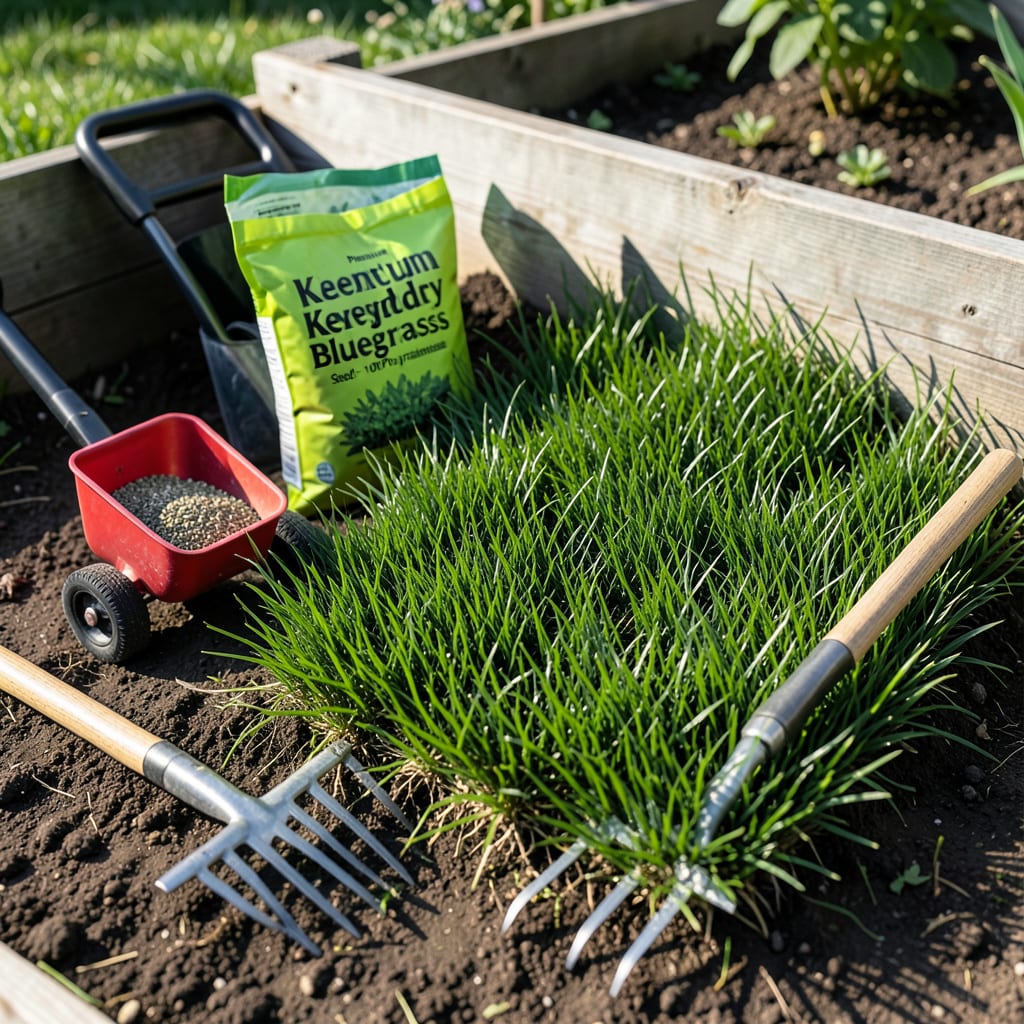
Timing your grass seed planting in Utah can make or break your lawn—plant too early, and frost ruins your efforts; too late, and scorching heat dries out tender sprouts. I’ve seen too many homeowners waste money and time by guessing the wrong window.
Here’s the good news: Utah’s climate actually gives you two ideal planting seasons—if you know when to act. Whether you’re in Salt Lake’s valleys or southern Utah’s desert, I’ll show you the exact months to sow for a thick, resilient lawn. Let’s get it right the first time.
If you’ve ever wondered why your neighbor’s lawn looks like a golf course while yours resembles a patchwork quilt, timing is likely the culprit. In Utah, where climate zones range from 4 to 9, planting grass seed at the wrong time can doom your lawn before it even sprouts. The secret? Aligning your planting with soil temperature and frost dates.
For cool-season grasses like Kentucky Bluegrass and Tall Fescue, aim for early spring (March–April) or late summer (August–September). These grasses thrive when soil temps hit 50°F–65°F. Warm-season varieties like Bermuda or Buffalo Grass need 70°F+ soil temps, making late spring (May–June) ideal for southern Utah.
High-altitude areas like Park City or Heber Valley require adjustments. Here, frost can linger until late May, so delay spring planting until soil reaches 55°F. Conversely, low-desert regions like St. George can plant warm-season grasses as early as March if soil temps cooperate. Always check your local frost dates—Utah’s last frost ranges from April 15 (Salt Lake) to May 10 (Park City).
Soil prep is non-negotiable in Utah’s clay-heavy soils. I recommend tilling in 2–3 inches of compost before planting to improve drainage. For drought-prone areas, mix in hydrogel crystals to retain moisture. Watering is critical too: keep seedbeds consistently moist (but not soggy) for the first 3–4 weeks. A light straw mulch helps retain moisture in Utah’s dry climate.
If you’re in Salt Lake Valley or Utah County, consider overseeding in early fall to repair summer damage. For southern Utah, Buffalo Grass is a water-wise champion, needing 60% less water than Kentucky Bluegrass. In shady areas, Fine Fescue outperforms other cool-season grasses. Match your grass type to your sun exposure and water availability.
Timing your fertilizer application matters too. Apply a starter fertilizer (10-10-10) at planting, then follow up 4–6 weeks later with a high-nitrogen feed. Avoid fertilizing in July–August—Utah’s heat can burn new grass. For warm-season grasses, fertilize in late spring and mid-summer to fuel growth during peak heat.
Watch for Utah-specific challenges like alkaline soil (pH 7.5–8.5). A soil test from your local USU Extension office can save you headaches. If your pH is too high, amend with sulfur or peat moss before planting. In windy areas (looking at you, Cache Valley), use windbreaks or erosion-control blankets to protect seeds.
For quick germination, plant 1–2 days before rain is forecasted—Utah’s sporadic showers can be a blessing. If rain isn’t in the forecast, water lightly twice daily until seeds sprout. Once established, deep watering (1–1.5 inches weekly) encourages deep roots, crucial for surviving Utah’s droughts and heatwaves.
Finally, don’t forget mowing height impacts drought tolerance. Keep cool-season grasses at 3–4 inches and warm-season at 2–3 inches. Taller grass shades the soil, reducing water loss. In water-restricted areas, raise your mower blade an extra notch to conserve moisture. With the right timing and care, your Utah lawn can rival the best in the state! 🌿
Planting grass seed in Utah isn’t just about picking the right month—it’s about avoiding the costly mistakes that turn lawns into patchy disasters. I’ve seen homeowners in Salt Lake City and St. George make the same errors year after year. Let’s tackle the top five blunders so your lawn thrives instead of struggles.
First up: planting too late in fall. Many Utahns assume September is safe, but if you’re above 5,000 feet (think Park City or Ogden), seeds need 6–8 weeks before the first frost. Plant after October 1, and tender sprouts won’t survive winter. Conversely, spring planting too early means seeds rot in cold, wet soil. Always check soil temps—not just the calendar.
Another common mistake? Using cheap seed mixes. Those $20 bargain bags often contain weed seeds and low-germination rates. Invest in certified, region-specific blends like “Utah Select” Kentucky Bluegrass or “DroughtMaster” Tall Fescue. Spend 10–20% more upfront to save on water, fertilizer, and reseeding later.
Utah’s water restrictions catch many off guard. In Salt Lake County, weekly watering limits apply May–October. Plan ahead: Install drip irrigation or soaker hoses for efficient watering. Avoid overhead sprinklers in windy areas—up to 30% of water evaporates before hitting the soil. Mulch with straw (not hay) to retain moisture.
Don’t forget mowing height impacts survival. Cutting too short stresses grass, especially in drought conditions. Set your mower to 3–4 inches for cool-season grasses and 2–3 inches for warm-season types. Leave grass clippings on the lawn—they act as natural fertilizer, returning nitrogen to the soil.
Finally, fertilizer timing trips up even experienced gardeners. Apply starter fertilizer at planting, but avoid high-nitrogen feeds in July–August—they burn lawns in Utah’s heat. For fall plantings, use a winterizer fertilizer (10-0-20) in early November to strengthen roots before dormancy. Always water deeply after fertilizing to prevent root burn.
By sidestepping these mistakes, you’ll grow a lawn that’s the envy of the neighborhood—lush, resilient, and water-wise. Now grab your soil thermometer and get planting! 🌿
Choosing the right grass for Utah’s diverse climate isn’t just about aesthetics—it’s about survival. From the snowy slopes of Park City to the scorching deserts of Moab, the wrong grass type can leave you with a brown, patchy mess. Let’s break down the best varieties for your specific Utah zone.
For Northern Utah (Zones 4–6), cool-season grasses reign supreme. Kentucky Bluegrass is the gold standard here—it handles cold winters and recovers well from foot traffic. Pair it with 10–20% Perennial Ryegrass for faster germination. In shady areas, Fine Fescue thrives with minimal sunlight and less water.
In Central Utah (Zones 6–7), you’ve got more flexibility. Tall Fescue is my top pick—it handles heat waves and cold snaps equally well. For low-water areas, try Turftype Tall Fescue varieties like ‘Rhambler’ or ‘Titan’. If you’re in Utah County, consider overseeding with Perennial Ryegrass in fall for year-round green.
Down in Southern Utah (Zones 7–9), warm-season grasses are the stars. Buffalo Grass is the water-wise champion, needing 60% less water than Kentucky Bluegrass. It stays green at 100°F+ and thrives in alkaline soils. For high-traffic areas, Bermuda Grass recovers quickly but goes dormant in winter.
For transition zones like Salt Lake Valley, a hybrid mix works best. I recommend 70% Tall Fescue + 30% Kentucky Bluegrass. This combo balances drought tolerance and cold hardiness. In shady yards, swap the Bluegrass for Fine Fescue to reduce water needs by 25%.
Don’t overlook native grasses like Western Wheatgrass or Blue Grama. They require no fertilizer and thrive in Utah’s poor soils. While they’re not as lush as traditional lawns, they’re zero-maintenance and support local pollinators. For eco-conscious gardeners, these natives cut water use by 75% compared to Kentucky Bluegrass.
Remember, soil type matters as much as climate. Utah’s clay-heavy soils benefit from gypsum to improve drainage. In sandy southern Utah, add organic matter to retain moisture. Test your soil’s pH—most Utah grasses prefer 6.0–7.5. Adjust with sulfur (to lower pH) or lime (to raise it) as needed.
Match your grass to your lifestyle too. Got kids or dogs? Perennial Ryegrass handles heavy use. Prefer low maintenance? Fine Fescue needs mowing just once every 3 weeks. For year-round green, overseed warm-season lawns with Annual Ryegrass in fall—it dies out naturally when temps rise.
For cool-season grasses like Kentucky Bluegrass, aim for 50°F–65°F at a 2-inch depth. Warm-season varieties like Bermuda need 70°F+. Use a soil thermometer to check—don’t guess!
Northern Utah often hits these temps in March–April and again in August–September. Southern Utah warms up earlier, so check by late February for spring planting.
Only if you’re using warm-season grasses like Buffalo or Bermuda—and even then, avoid July’s peak heat. Cool-season seeds will burn up in 90°F+ temps.
If you must plant in summer, do it early morning and use shade cloth to protect seeds. Water 3x daily in short bursts to prevent drying out.
Above 5,000 feet (like Park City or Heber), delay spring planting until soil reaches 55°F—often late April or early May. Frost lingers longer, and seeds need extra time to establish.
Fall planting? Finish by September 15 to give roots 6–8 weeks before frost. High-altitude lawns also benefit from extra mulch to insulate against temperature swings.
Overwatering or underwatering—both are deadly. New seeds need consistent moisture, but soggy soil causes rot. Aim for light watering twice daily (10–15 minutes) until germination.
After sprouting, shift to deep watering (1 inch weekly). In clay-heavy soils (common in Utah Valley), poor drainage can drown seeds—amend with compost before planting.
Native grasses like Blue Grama or Western Wheatgrass need 75% less water than Kentucky Bluegrass and thrive in Utah’s alkaline soils without fertilizer.
They’re not as lush, but they’re zero-maintenance, drought-proof, and support local pollinators. Perfect for eco-conscious or low-water landscapes.
