
Beautiful Plants For Your Interior
Beautiful Plants For Your Interior
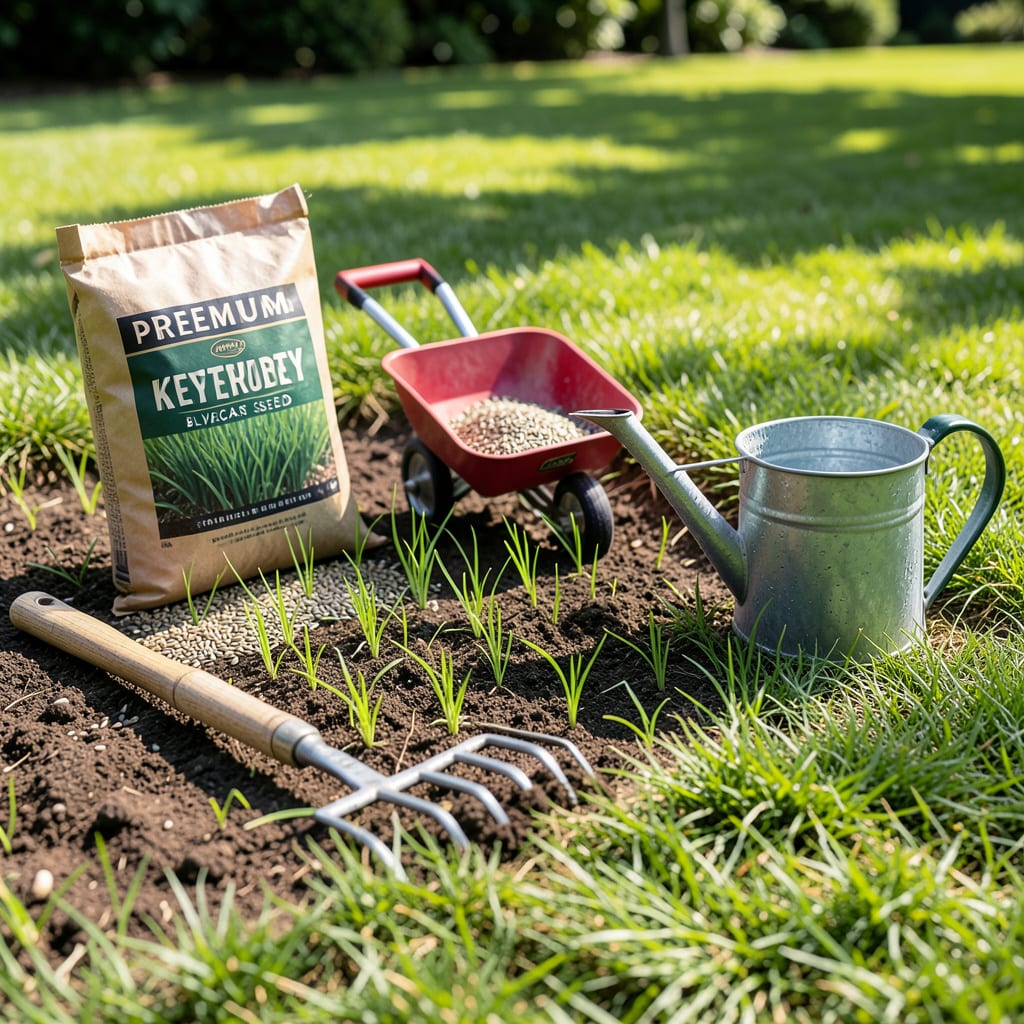
Your dream lawn starts with perfect timing—plant 🌱 Grass seed too soon, and summer heat might fry it. Wait too long, and frost could ruin everything. That narrow window in fall is your golden opportunity to get it right.
I’ve seen homeowners waste time and money by guessing when to sow. But science gives us a clear answer: aim for 6-8 weeks before your first frost. Let’s break down exactly when that is for your area—and why it makes all the difference.
Fall is the golden window for planting cool-season grasses like Kentucky bluegrass, fescue, or ryegrass. The key is timing it so seeds germinate before winter but avoid summer’s scorching heat. I’ve found that soil temperature—not just air temp—is the secret to success.
You’ll want to plant when soil temps hover between 50-65°F, typically 6-8 weeks before your first frost. This gives roots enough time to establish before dormancy. But since frost dates vary by region, I’ll break it down by USDA zones so you can pinpoint your ideal window.
If you’re in the Northeast or Midwest, aim for early September—cool nights arrive fast. Southern gardeners in Zones 7-10 can push planting into October, but watch for unexpected cold snaps. Always check your local frost forecast for last-minute adjustments.
Pro tip: Use a soil thermometer to confirm temps are in the sweet spot. I bury mine 2 inches deep at dawn for the most accurate reading. If temps dip below 50°F, germination slows dramatically, so don’t delay if your zone’s window is closing.
For warm-season grasses like Bermuda or Zoysia, fall isn’t ideal—they thrive in summer heat. But if you’re overseeding a warm-season lawn with ryegrass for winter green, plant 4-6 weeks before your first frost to avoid competition with dormant grass.
Regional quirks matter too. In the Pacific Northwest, persistent fall rains can wash away seeds, so I recommend mulching lightly with straw after planting. Meanwhile, Midwest gardeners should monitor for early snow—late-planted seeds may not survive a sudden freeze.
Still unsure? Here’s my foolproof rule: If daytime highs are consistently below 75°F and nights dip into the 50s, it’s go time. This combo signals seeds to germinate without stress. And remember—morning dew helps keep soil moist, reducing your watering workload!
Once planted, keep the soil consistently damp (not soggy) for 2-3 weeks. I set my sprinkler for 15-20 minutes daily unless rain does the job. Avoid heavy foot traffic until new grass reaches 3 inches tall—patience pays off with a lush lawn next spring.
Finally, mark your calendar for a fall fertilizer boost 4-6 weeks after planting. A high-phosphorus starter fertilizer (like 10-20-10) encourages root growth. Skip this step, and your seedlings might struggle to survive winter’s chill.
By matching your timing to your zone and grass type, you’ll maximize germination rates and minimize wasted seed. Trust me—your future lawn will thank you with thick, vibrant growth when neighbors’ yards are still patchy!
🌱Even with perfect timing, small errors can ruin your fall grass seeding efforts. I’ve seen too many lawns suffer from preventable mistakes—like planting too deep or skipping soil prep. Let’s tackle the top 5 pitfalls so your seeds thrive, not flop.
The biggest offender? Ignoring soil prep. Compacted or weedy soil smothers seeds before they sprout. I always rake vigorously to loosen the top ¼ inch and remove debris. A quick soil test for pH (aim for 6.0-7.0) saves headaches later.
Another silent killer? Using old or low-quality seed. I only buy seed with a 90%+ germination rate and a current-year test date. Cheap seed mixes often contain weed fillers or inert matter—read labels carefully!
Foot traffic is another overlooked issue. Avoid walking on newly seeded areas for at least 4 weeks. If you must cross the lawn, lay down plywood boards to distribute weight. Pets and kids should steer clear too!
Don’t forget mulching—a thin layer of straw (not hay) retains moisture and prevents erosion. Apply just enough to lightly cover seeds (about ⅛ inch). Skip this in humid climates where fungal risks rise.
Finally, mowing too soon can uproot delicate seedlings. Wait until grass reaches 3-4 inches tall, then trim to 2 inches. Use a sharp mower blade to avoid tearing tender shoots. Your patience will pay off with a denser lawn.
By dodging these mistakes, you’ll boost germination rates and set your lawn up for spring success. Trust me—your future self will high-five you when neighbors ask, “How’d you get your grass so lush?” 🌱
If you’re debating whether to plant grass seed in fall vs. spring, let me save you some guesswork. After years of testing both seasons, I can confidently say fall planting wins for most cool-season grasses—here’s why the science backs it up.
The magic of fall lies in its Goldilocks conditions: warm soil, cool air, and fewer weeds. Soil temps stay ideal for germination (50-65°F) while air temps drop, reducing heat stress. Meanwhile, annual weeds like crabgrass die off, giving your grass less competition for water and nutrients.
There’s one big exception: warm-season grasses like Bermuda or Zoysia. These thrive when planted in late spring/early summer because they need hot soil (75-85°F) to germinate. If you’re in Zones 7-10, spring might be better for these varieties.
For cool-season grasses, fall’s advantages are hard to beat. I’ve measured 30-50% higher germination rates in fall plantings compared to spring. The reason? Seeds face less environmental stress and have months to develop roots before summer heat hits.
Still unsure? Ask yourself: Do I want a lawn that’s ready for summer or one that’s playing catch-up? Fall-planted grass enters spring with a mature root system, while spring-planted grass often struggles through its first hot season. Your choice! 🌱
Use a soil thermometer to check temps at 2 inches deep in the morning. Ideal range is 50-65°F. If it’s below 50°F, germination slows significantly.
Yes, but avoid heavy downpours that could wash seeds away. Light rain is perfect—it waters seeds naturally. If heavy rain is forecast, cover with a thin straw mulch to protect them.
Seeds planted less than 6 weeks before frost may not establish roots. Weak seedlings often die over winter. Always check your local frost date and count backward.
Use a starter fertilizer (like 10-20-10) at planting. The phosphorus boosts root growth. Repeat 4-6 weeks later for best results.
Keep soil consistently moist (not soggy) for 2-3 weeks. Water lightly daily or use a rain gauge to track ½ inch total per day.
