
Beautiful Plants For Your Interior
Beautiful Plants For Your Interior
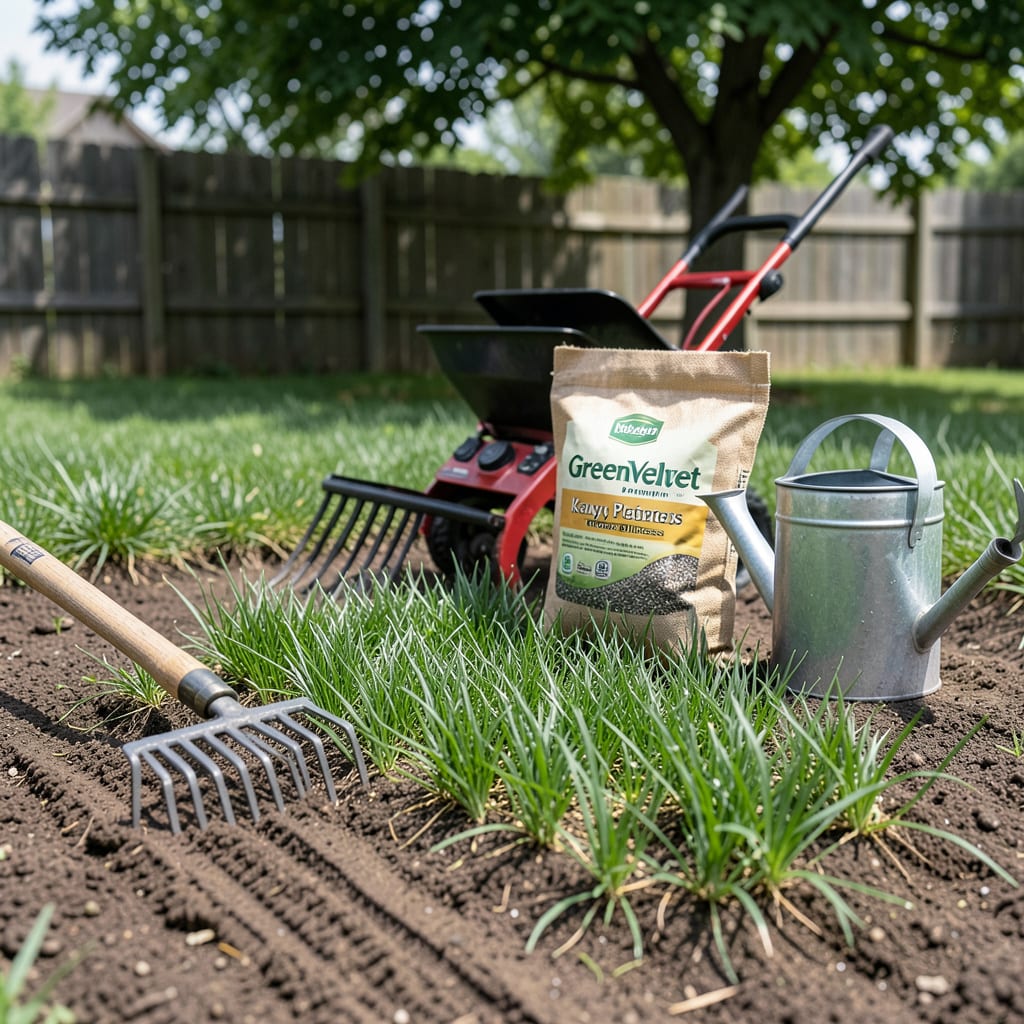
Timing isn’t just important—it’s everything when planting grass seed in Tennessee. Plant too early, and weeds choke out your seedlings. Plant too late, and frost stunts growth before roots establish. I’ve seen both scenarios play out, and neither ends with the lush lawn you’re dreaming of.
The good news? Tennessee’s climate gives you two prime windows—fall being the absolute best. But the exact timing shifts whether you’re in Memphis, Nashville, or the Smokies. Let’s break down the science-backed schedule so you don’t waste a single seed or dollar on do-overs.
If you’ve ever struggled with patchy grass or weak germination, timing is likely the culprit. Tennessee’s diverse climate zones—from the cooler East TN mountains to the warmer West TN river valleys—mean planting windows vary. The key is matching your grass type to the soil temperature and frost dates in your region.
For cool-season grasses like Tall Fescue or Kentucky Bluegrass, fall is king. Aim for late August through mid-October when soil temps hover between 50–65°F. Spring planting is possible, but you’ll battle weeds and heat stress as summer arrives. Warm-season grasses like Bermuda or Zoysia thrive when planted late spring to early summer (May–July).
| Region | Cool-Season Grasses | Warm-Season Grasses | First Frost Date |
|---|---|---|---|
| East TN (Knoxville, mountains) | Sept 1–Oct 10 | May 15–June 30 | Oct 10–20 |
| Middle TN (Nashville, Franklin) | Aug 20–Oct 15 | May 1–June 15 | Oct 15–25 |
| West TN (Memphis, Jackson) | Aug 15–Oct 5 | April 15–May 30 | Oct 25–Nov 5 |
🌡️ Pro Tip: Use a soil thermometer—cool-season grasses need 50°F+, while warm-season varieties require 65°F+ for germination.
In East Tennessee, higher elevations mean cooler temps and a shorter growing season. Here, Tall Fescue is your best bet—it handles cold snaps and shade better than Bermuda. Plant by early October to avoid frost damage. For Middle TN, Kentucky Bluegrass blends well with Fescue, but avoid planting after October 15—late seedlings won’t survive winter.
West TN’s warmer climate favors Bermuda or Zoysia, which love the heat and humidity. Plant these May through June when soil temps hit 70°F. If you’re overseeding a Bermuda lawn with ryegrass for winter green, do it in early October—just before Bermuda goes dormant.
Soil prep matters just as much as timing. Tennessee’s clay-heavy soils can suffocate seeds if not amended. Aerate compacted areas, then top-dress with ¼ inch of compost before seeding. For new lawns, till in 2–3 inches of organic matter to improve drainage. Always rake the soil lightly to create a seedbed—this ensures good seed-to-soil contact, which is critical for germination.
After planting, water is your top priority. Keep the soil consistently moist (but not soggy) for the first 2–3 weeks. I recommend light daily watering (10–15 minutes) until seedlings reach 2 inches tall, then switch to deep watering (1 inch per week). Morning watering (6–10 AM) reduces fungal risks and evaporation loss.
Fertilizer timing can make or break your lawn. For fall plantings, apply a starter fertilizer (like 10-10-10) at seeding, then a high-nitrogen feed (e.g., 16-4-8) 4–6 weeks later. Avoid fertilizing after November 1—late nitrogen can weaken grass before winter. In spring, wait until after 2–3 mowings before fertilizing to avoid burning tender new growth.
Avoid these critical mistakes: Planting too late in fall (seeds won’t root before frost), too early in spring (weeds will outcompete grass), or skipping soil tests. Tennessee’s soil often lacks phosphorus—a soil test ($15 at your local UT Extension office) tells you exactly what amendments to add. If your pH is below 6.0, lime may be needed for optimal nutrient uptake.
For shady areas, Fine Fescue or St. Augustine (in West TN) are your best options. These grasses need only 4 hours of sun but still require proper timing. Plant Fine Fescue in early fall and St. Augustine in late spring. If you’re dealing with heavy shade, consider ground covers like clover or mondograss as alternatives.
Finally, local resources can save you time. The UT Extension’s lawn guides (available at extension.tennessee.edu) offer TN-specific advice, including grass variety trials and pest management tips. For real-time frost alerts, bookmark the National Weather Service’s Nashville or Memphis pages—they’ll help you pinpoint your exact planting window.
Planning your grass seed planting around Tennessee’s three distinct regions can feel overwhelming, but breaking it down month-by-month simplifies the process. Whether you’re in Memphis’ humid heat or the cooler Knoxville foothills, this calendar ensures you’ll never miss the optimal planting window again.
In early spring (March–April), focus on soil prep—test pH, aerate compacted areas, and add compost. This is also the time to plant cool-season grasses like Tall Fescue in West TN, where soils warm earlier. By May, shift to warm-season grasses like Bermuda or Zoysia, but hold off in East TN until soil temps hit 65°F.
💧 Watering Tip: New seedlings need daily light watering (10–15 mins) for 2–3 weeks. Switch to deep weekly watering once established.
For fall planting, September is your golden month. Soil temps are ideal (50–65°F), and weeds are less aggressive. In East TN, plant by October 10 to beat frost. Middle TN gardeners have until October 15, while West TN can push to early November thanks to milder winters. Always check the 10-day forecast for unexpected cold snaps.
Spring planting requires extra caution. While it’s tempting to seed in early March, soil temps are often too cold for germination. Wait until daytime temps consistently hit 60°F and soil reaches 50°F. Use a soil thermometer—it’s the only way to know for sure. In West TN, you can plant cool-season grasses as early as late February if the soil is workable.
Post-planting care varies by season. Fall seedlings need less frequent watering as temps drop, but spring plantings demand vigilant moisture control to combat heat stress. Apply a light mulch (like straw) to retain moisture, but remove it once seedlings reach 2 inches to prevent smothering. For warm-season grasses, avoid heavy nitrogen in summer—opt for iron supplements to green up the lawn without promoting weak growth.
Region-specific adjustments are critical. In East TN, higher elevations mean cooler soils—delay spring planting by 2 weeks compared to Nashville. West TN’s clay soils dry out faster, so increase watering frequency by 20% during droughts. If you’re near the Mississippi River, watch for humidity-driven fungi—apply fungicide preventatively in late summer.
Finally, mark these dates on your calendar: April 15 (average last frost for Middle TN), October 15 (first frost for West TN), and October 1 (last safe day for East TN fall planting). Use the UT Extension’s frost maps to refine these for your exact location. With this timeline, you’ll maximize germination and grow a lawn that’s the envy of the neighborhood! 🌱
Even with perfect timing, small missteps can ruin your Tennessee lawn before it starts. I’ve seen healthy-looking seed fail because of avoidable errors—like planting in compacted clay or ignoring microclimate differences between Chattanooga and Memphis. Let’s tackle the top 5 mistakes I see most often.
The biggest blunder? Planting too late in fall. If seeds don’t germinate 6–8 weeks before frost, tender roots die in the first freeze. In East TN, this means no planting after October 10. West TN gardeners can push to early November, but always check the 10-day forecast for early cold snaps.
🌡️ Pro Tip: Tennessee’s clay soils dry unevenly. Use a moisture meter to avoid over/under-watering.
Another costly error is choosing the wrong grass type for your region. Bermuda grass struggles in East TN’s cooler climates, while Kentucky Bluegrass wilts in West TN’s summer heat. Always match grass to your USDA zone (6a–8a) and sun exposure. For shady yards, Fine Fescue or Turf-Type Tall Fescue are safer bets than sun-loving Bermuda.
Watering mistakes wreck more lawns than pests do. New seedlings need consistent moisture, but soggy soil invites fungus. I recommend morning watering (6–10 AM) to reduce evaporation and disease. Once established, deep watering (1 inch weekly) encourages drought-resistant roots. In West TN’s clay, water 20% more frequently during droughts.
Fertilizer timing trips up even experienced gardeners. Applying high-nitrogen fertilizer after November 1 weakens grass before winter. For fall plantings, use a starter fertilizer (10-10-10) at seeding, then switch to 16-4-8 4–6 weeks later. In spring, wait until after 2–3 mowings to fertilize—young grass burns easily.
Finally, never skip a soil test. Tennessee’s soils often lack phosphorus and may need lime to raise pH (ideal: 6.0–7.0). For $15, your local UT Extension office provides a detailed analysis. I’ve seen lawns transform after amending based on test results—it’s the cheapest insurance for a thick, green lawn.
Fall offers ideal conditions—warm soil and cooler air temperatures reduce stress on new seedlings. Plant 6–8 weeks before your region’s first frost to allow roots to establish before winter. This timing minimizes weed competition and drought risk compared to spring planting.
Only for warm-season grasses like Bermuda or Zoysia, planted May–July when soil temps hit 70°F+. Cool-season grasses (fescue, bluegrass) struggle in summer heat. If overseeding, wait until early fall or use shade cloth to protect seedlings from scorching.
Check two things: temperature and texture. Use a soil thermometer—cool-season grasses need 50°F+, warm-season 65°F+. The soil should crumble easily when squeezed (not sticky or dusty). If it’s compacted, aerate and add ¼ inch of compost before seeding.
Planting too late in fall—seeds need 45–60 days to establish before frost. In East TN, stop by October 10; West TN can go until early November. Also, skipping soil tests often leads to phosphorus deficiencies, which stunt growth. A $15 test at your UT Extension office prevents costly errors.
Water lightly daily (10–15 minutes) for the first 2–3 weeks to keep soil moist but not soggy. Once seedlings reach 2 inches tall, switch to deep watering (1 inch weekly). In West TN’s clay soil, increase frequency by 20% during droughts to prevent cracking.
