
Beautiful Plants For Your Interior
Beautiful Plants For Your Interior
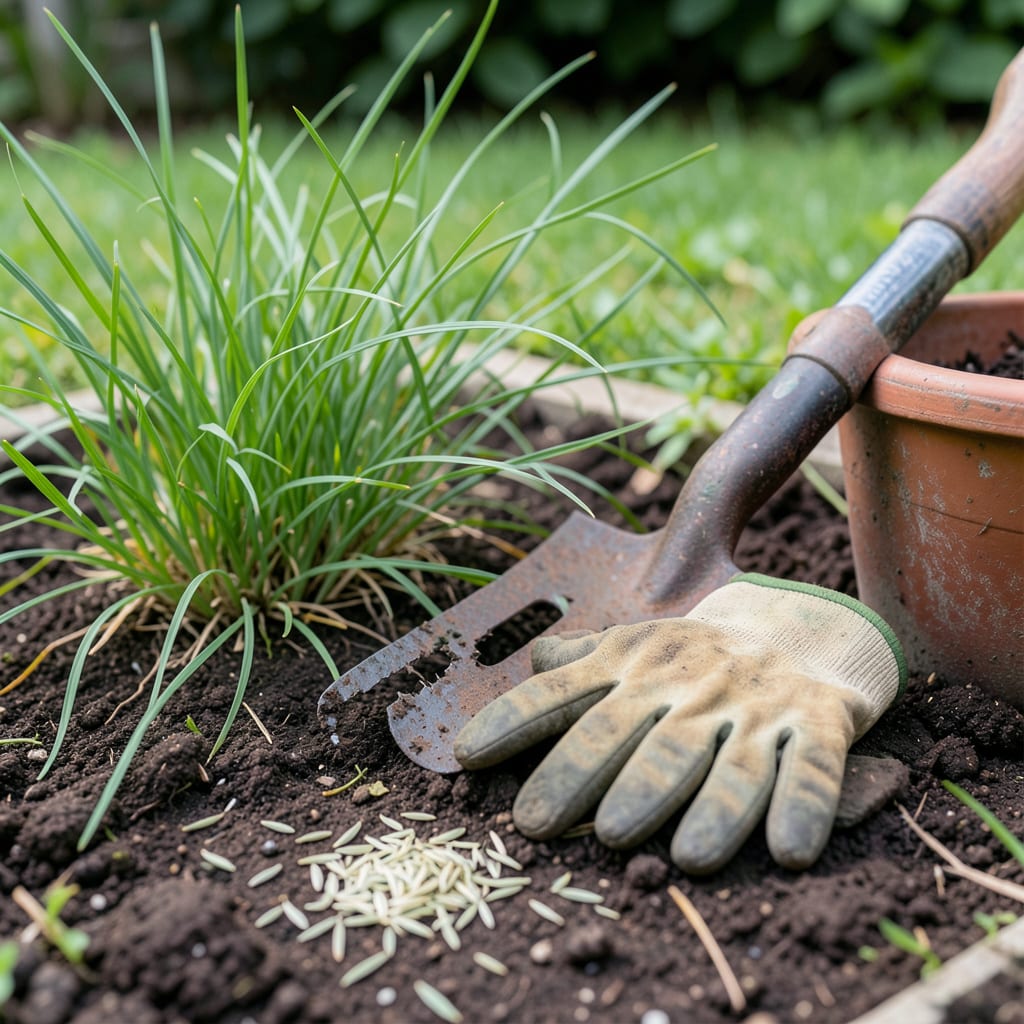
Spring is the perfect time to rejuvenate your lawn by planting Grass 🌿 seed, but timing is crucial for successful germination and growth. In USDA Zone 6, you’ll want to wait until the soil temperature reaches the optimal range.
I recommend planting when the weather starts to warm up, typically in early spring. This allows the Grass 🌿 to establish itself before the heat of summer. Let’s explore the ideal conditions for planting Grass seed in spring.
When it comes to planting grass seed in spring, timing is everything. The ideal time to plant depends on your location and climate. In general, it’s best to plant when the soil temperature reaches between 55-65°F, which is typically in early spring 🌿.
I recommend checking the soil temperature with a thermometer to determine the best time to plant. You can also consider the last frost date in your area, as planting too early can be detrimental to the grass seed. Let’s take a closer look at the key factors to consider when planting grass seed in spring.
The ideal planting window varies by region. In USDA Zone 6, March and April are typically the best months to plant grass seed in spring. This allows the grass to establish itself before the heat of summer 🌞.
For areas with a longer growing season, you may be able to plant as early as February or as late as May. However, it’s essential to monitor soil temperature and weather conditions to ensure optimal germination and growth.
Some regions have specific planting guidelines based on local climate conditions. For example, in areas with mild winters, you may need to plant grass seed earlier in the spring to avoid summer heat stress 🌡️.
When planting grass seed in spring, it’s also crucial to choose a grass type that’s suitable for your climate and lawn conditions. Consider factors like sunlight, soil type, and moisture levels when selecting a grass variety 🌿.
In addition to soil temperature and climate, weather conditions play a significant role in determining the success of grass seed planting. Look for periods with cooler temperatures and adequate rainfall to support germination and growth ☁️.
By understanding these key factors and choosing the right grass seed for your lawn, you can set yourself up for success and enjoy a lush, healthy lawn throughout the growing season 🌼.
To further optimize your grass seed planting, consider preparing your lawn properly before seeding. This includes removing debris, testing your soil, and applying the right amount of fertilizer to support healthy growth 🌱.
Proper post-planting care is also essential for ensuring the success of your spring grass seed planting. This includes maintaining a consistent watering schedule, controlling weeds, and mowing your lawn at the right height to promote healthy growth 🌿.
By following these tips and considering the unique conditions of your lawn, you can achieve a beautiful, thriving lawn that’s the envy of the neighborhood 🌟.
Before planting grass seed in spring, it’s essential to prepare your lawn properly. This includes removing debris, testing your soil, and choosing the right grass seed type for your lawn 🌿.
I recommend starting by clearing your lawn of any debris, such as dead leaves or branches. This will help ensure good contact between the grass seed and the soil, promoting healthy germination and growth 🌻.
Determine your soil’s pH level and nutrient content to choose the right fertilizer.
Clear your lawn of debris and weeds to ensure good contact between the grass seed and the soil.
Select a grass seed type suitable for your climate and lawn conditions.
By following these steps, you can create a welcoming environment for your new grass seed to grow and thrive 🌼.
Proper lawn preparation is crucial for successful grass seed germination and growth. By testing your soil, removing debris, and choosing the right grass seed type, you can set your lawn up for success 🌱.
In addition to these steps, consider applying a starter fertilizer to promote healthy growth and development. This will help your new grass get off to a strong start 🌿.
By taking the time to properly prepare your lawn, you can enjoy a lush, healthy lawn throughout the growing season 🌸.
To recap, the key steps for preparing your lawn for spring grass seed planting are: testing your soil, removing debris, choosing the right grass seed type, and applying a starter fertilizer 🌟.
After planting grass seed in spring, proper care is crucial for ensuring successful germination and growth. I recommend maintaining a consistent watering schedule to keep the soil moist but not waterlogged 🌿.
It’s essential to water lightly but frequently to promote healthy germination. As the grass grows, you can gradually reduce the frequency of watering to encourage deep root growth 💧.
Water your newly seeded lawn lightly but frequently to maintain consistent moisture and promote healthy germination.
In addition to watering, fertilization is critical for promoting healthy grass growth. Consider applying a starter fertilizer to provide essential nutrients for your new grass 🌱.
Mowing is another important aspect of post-planting care. I recommend maintaining a mowing height of 2.5-3 inches to promote healthy growth and prevent weed invasion 🌻.
Weed control is also essential for ensuring the success of your spring grass seed planting. Consider using a pre-emergent herbicide to prevent weed growth and promote healthy grass growth 🌟.
By following these post-planting care tips, you can enjoy a lush, healthy lawn throughout the growing season 🌼.
To recap, the key steps for post-planting care are: maintaining a consistent watering schedule, applying a starter fertilizer, maintaining a mowing height of 2.5-3 inches, and controlling weeds 🌿.
By taking the time to properly care for your spring grass seed planting, you can achieve a beautiful, thriving lawn that’s the envy of the neighborhood 🌟.
The ideal soil temperature for planting grass seed in spring is between 55-65°F. This temperature range supports optimal germination and growth. You can check soil temperature with a thermometer to determine the best planting time.
It’s generally recommended to wait 1-2 weeks after the last frost before planting grass seed in spring. This allows the soil to warm up and reduces the risk of frost damage to young seedlings. Check your local frost dates for specific guidance.
Keep the soil consistently moist during the first few weeks after planting. Water lightly but frequently, typically every 1-2 days, depending on weather conditions. As the grass grows, you can gradually reduce the frequency of watering.
Yes, consider applying a starter fertilizer when planting grass seed or shortly after. This provides essential nutrients for healthy growth and development. Follow the manufacturer’s instructions for application rates and timing.
