
Beautiful Plants For Your Interior
Beautiful Plants For Your Interior
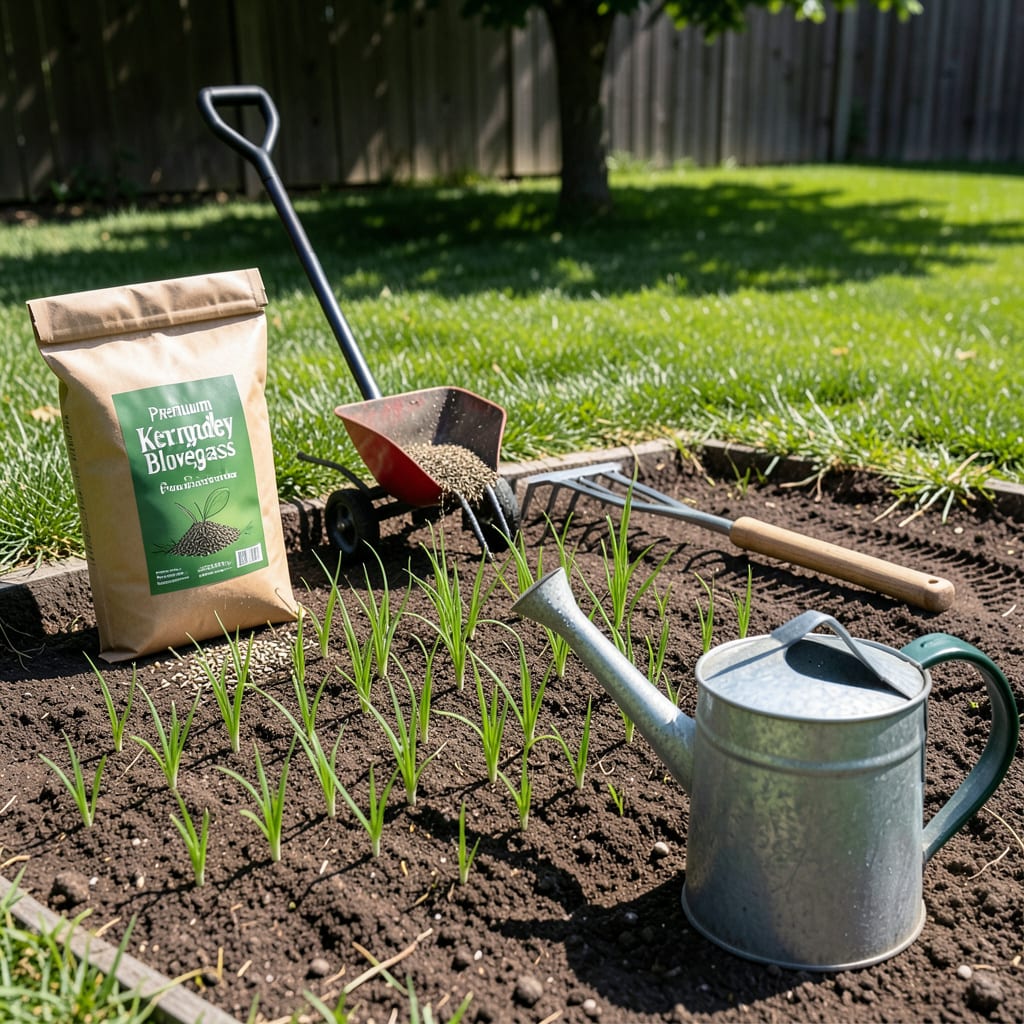
Timing your grass seed planting in Iowa can make or break your lawn’s success. Plant too early, and late frosts might wipe out your efforts. Wait too long, and summer heat could stunt growth before roots even establish.
After years of testing and researching Iowa’s unpredictable spring weather, I’ve pinpointed the ideal window for planting 🌱 that delivers thick, resilient turf. Whether you’re in Des Moines or Cedar Rapids, these insights will help you avoid costly mistakes and grow a lawn that’s the envy of the neighborhood.
If you’re eager to plant grass seed in Iowa this spring, timing is your secret weapon. The ideal window spans from mid-April to late May, but the exact dates depend on your region. Northern Iowa needs to wait until late April, while southern areas can start early April.
Iowa’s USDA zones 4b–5a mean soil temperature is key—aim for 50–65°F before planting. Cool-season grasses like Kentucky bluegrass and tall fescue thrive in this range. Let’s break down the perfect timing by region so you don’t waste seed or effort.
| Region | Ideal Planting Window | Soil Temp Threshold | Last Frost Date |
|---|---|---|---|
| Northern Iowa (Mason City, Sioux City) |
April 20–May 15 | 50–55°F | April 25–May 5 |
| Central Iowa (Des Moines, Ames) |
April 10–May 10 | 52–60°F | April 15–25 |
| Southern Iowa (Ottumwa, Burlington) |
April 1–April 30 | 55–65°F | April 5–15 |
In Northern Iowa, I recommend waiting until after April 20 to avoid late frosts. The soil warms slower here, so Kentucky bluegrass is a safer bet than perennial ryegrass, which germinates faster but struggles in colder soil.
For Central Iowa, mid-April is your sweet spot. This region’s moderate climate allows for a wider window, but watch for heavy rains in late April. If the forecast shows 1+ inch of rain, delay planting by 3–5 days to prevent seed washout.
Southern Iowa gardeners can start earliest—sometimes as soon as April 1. However, drought-resistant varieties like tall fescue are ideal here, as summer heat arrives faster. I’ve seen lawns thrive when planted by mid-April in this zone.
No matter where you are, soil prep is non-negotiable. Test your soil’s pH (6.0–7.0 ideal) and aerate compacted areas before seeding. I use a broadcast spreader for even coverage, followed by a light straw mulch to retain moisture.
After planting, water lightly daily for the first 10–14 days to keep soil moist. Once seedlings reach 2 inches tall, switch to deep watering (1 inch/week). Avoid evening watering—it invites fungal diseases like dollar spot.
If you’re overseeding an existing lawn, mow low (1.5 inches) before planting and use a slice seeder for better seed-to-soil contact. For bare spots, mix seed with compost to improve germination rates.
Remember, Iowa’s spring weather is unpredictable. If a late frost hits after planting, cover seedlings with frost cloth overnight. And if crabgrass becomes an issue, apply a pre-emergent herbicide—but only after your new grass has 3–4 mowings.
For the most accurate local advice, contact your Iowa State University Extension office. They offer free soil tests and region-specific guides. I’ve found their lawn care hotline invaluable for troubleshooting tricky spots like shady areas or high-traffic zones.
Planting grass seed in Iowa seems straightforward, but even small missteps can sabotage your lawn. I’ve seen too many homeowners rush the process, only to battle patchy growth or weed invasions later. Let’s tackle the top 5 mistakes that derail spring lawns.
The biggest error? Planting too early. Iowa’s last frost dates vary—April 5–25—but soil temperature matters more. If your soil is below 50°F, seeds will rot or fail to germinate. Always use a soil thermometer to check at 2-inch depth.
Mistake #2: Skipping soil prep. Iowa’s clay-heavy soils compact easily, suffocating new roots. Always aerate before seeding and amend with compost (1/4-inch layer). A pH test is crucial—aim for 6.0–7.0. I use pelletized lime to adjust pH if needed.
Overwatering is another common blunder. New seedlings need consistent moisture, but soggy soil invites fungal diseases like Pythium. Water lightly daily for the first 10 days, then taper to 1 inch/week. Use a rain gauge to track moisture.
Many Iowans forget about weed competition. If you don’t apply a pre-emergent herbicide (like prodiamine) before seeding, crabgrass will overtake your lawn. However, never use pre-emergent if you’ve already planted seed—it’ll block grass germination too.
Planting at the wrong depth ruins even the best seed. Too deep, and seedlings won’t emerge; too shallow, and they’ll dry out. The sweet spot? 1/4-inch deep. Use a lawn roller after seeding to ensure good soil contact. For slopes, mix seed with hydroseeding mulch to prevent erosion.
Finally, ignoring regional differences costs Iowa gardeners dearly. Western Iowa’s loamy soils drain faster than Eastern Iowa’s clay, so adjust watering accordingly. Near rivers? Watch for flood risks—delay planting if heavy rains are forecasted.
For shady areas, avoid dense grasses like Kentucky bluegrass. Opt for fine fescue blends, which tolerate 4–6 hours of sun. And if your lawn has high-traffic zones, tall fescue or perennial ryegrass handle foot traffic better.
Need help? Your county extension office offers free soil tests and tailored advice. I also recommend Iowa State’s Turfgrass Program for variety recommendations. Avoid these mistakes, and you’ll have the lushest lawn on the block by summer! 🌱
Choosing the right grass seed for Iowa isn’t just about timing—it’s about matching varieties to our USDA zones 4b–5a. Cool-season grasses dominate here, but not all handle Iowa’s freeze-thaw cycles or summer droughts equally. Let’s dive into the top performers.
For most Iowa lawns, I recommend Kentucky bluegrass for its lush appearance and cold hardiness. However, it struggles in shade or drought. That’s where tall fescue shines—it’s drought-tolerant and handles foot traffic like a champ. Here’s how they stack up.
✅ Pros:
❌ Cons:
✅ Pros:
❌ Cons:
✅ Pros:
❌ Cons:
For shady areas, I swear by fine fescue blends like creeping red fescue. They thrive with just 4 hours of sun and stay green in cool weather. Mix them with tall fescue for a low-maintenance lawn that handles Iowa’s mood swings.
If you’re dealing with high-traffic zones (think kids, pets, or frequent entertaining), turf-type tall fescue is your best bet. Varieties like ‘Kentucky 31’ or ‘Titan’ bounce back from wear and tear. For sports fields, I’ve had great success with perennial ryegrass blends—just be ready to overseed annually.
For drought-prone areas (especially Southern Iowa), look for drought-tolerant tall fescue like ‘WaterSaver’ or ‘DroughtMaster’. These varieties need 30% less water and stay green longer during dry spells. Pair them with 2–3 inches of mulch to retain moisture.
For Northern Iowa (like Mason City or Sioux City), wait until at least April 20 to avoid late frosts. Soil temps need to reach 50°F at a 2-inch depth—use a thermometer to confirm. Planting earlier risks seed rot or poor germination.
Check three things: temperature (must be 50°F+), moisture (squeezed soil should crumble, not clump), and frost risk (none forecasted for 2 weeks). If your soil passes these tests, it’s go time.
A blend of 80% tall fescue and 20% Kentucky bluegrass works wonders in Iowa. The fescue handles drought and traffic, while bluegrass fills in gaps for a lush look. Avoid mixing warm-season grasses—they won’t survive Iowa winters.
Light rain (0.5 inch) helps seeds settle, but heavy downpours can wash them away. If 1+ inch is forecasted, cover seeds with straw mulch or delay planting by 3–5 days. Never plant before a flood warning in river-adjacent areas.
Wait until seedlings reach 3 inches tall (about 4–6 weeks after planting). Before that, foot traffic can uproot delicate roots. For high-traffic areas, use turf-type tall fescue—it establishes faster and handles wear better.
