
Beautiful Plants For Your Interior
Beautiful Plants For Your Interior
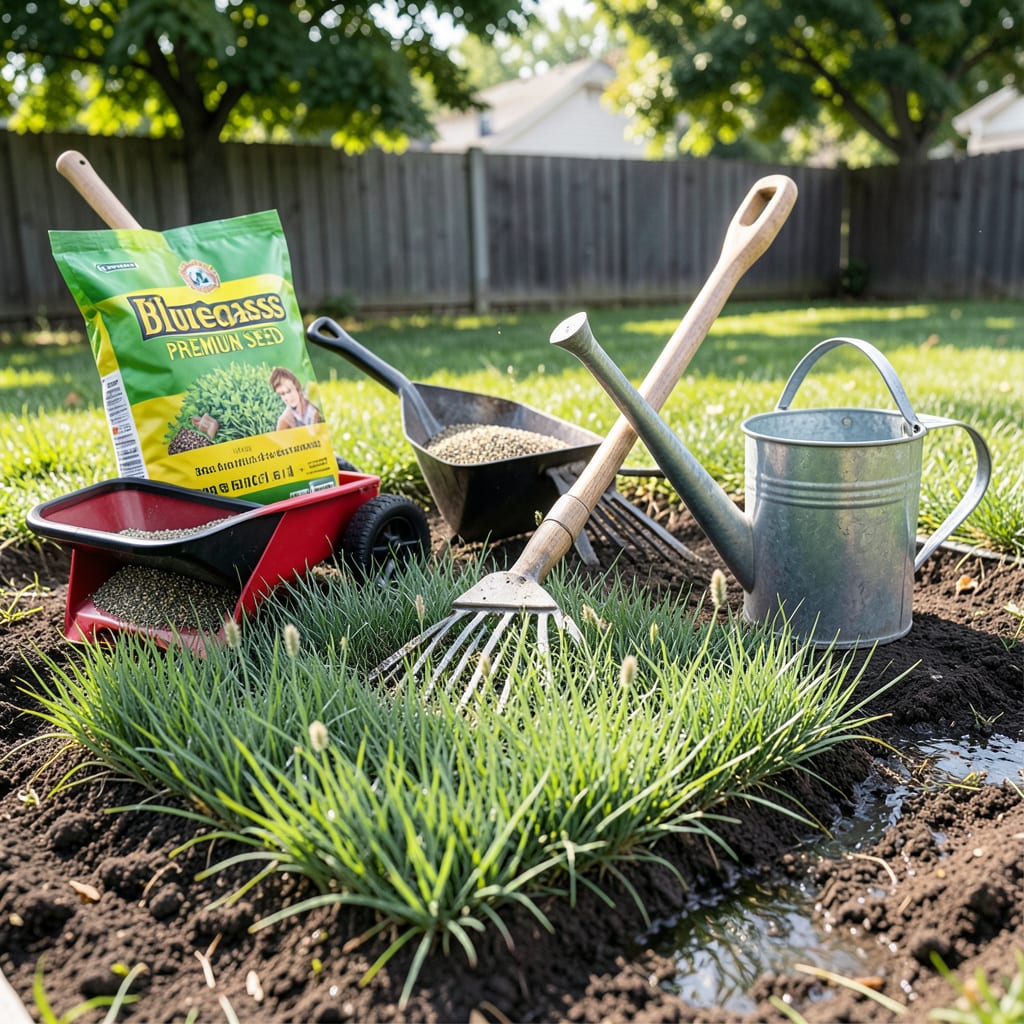
Timing your spring grass planting in Nebraska can feel like a gamble—plant too early, and a late frost ❄️ could wipe out your efforts. But here’s the good news: with the right window, you’ll set your lawn up for success.
After years of testing and local research, I’ve nailed down the ideal conditions for Nebraska’s Zone 5a-5b climate. Let me show you exactly when to plant and how to avoid the 3 most costly mistakes homeowners make every spring.
If you’re eager to plant grass seed in Nebraska this spring, timing is your best friend. Nebraska’s USDA Zone 5 climate means we need to balance soil temperature (ideally 50–65°F) with the risk of late frosts. Plant too early, and a surprise freeze could wipe out your seedlings overnight.
I’ve found that mid-April to early May is the sweet spot for most of the state. However, Nebraska’s weather can vary dramatically from east to west. Eastern Nebraska (Omaha, Lincoln) tends to warm up faster than western regions, where frosts linger longer. Always check your local soil temperature before planting!
For the best results, I recommend using a soil thermometer to check conditions at a 2-inch depth. If the temperature is consistently above 50°F for a week, you’re in the clear. Nebraska’s clay-heavy soils can stay cooler longer, so don’t rely on air temperature alone.
If you’re planting cool-season grasses like Kentucky Bluegrass or Tall Fescue, aim for the earlier side of the window. These varieties thrive in Nebraska’s springs and falls. For warm-season grasses like Buffalograss, wait until late May or early June when soils are warmer.
Keep an eye on the 10-day forecast before planting. Nebraska’s spring weather is notorious for swinging from 70°F sunshine to snow flurries in a matter of hours. If there’s even a hint of frost in the forecast, hold off. Young grass seedlings can’t handle temperatures below 32°F.
Another pro tip: Monitor rainfall patterns. Nebraska springs can be wet, and planting in soggy soil leads to poor seed-to-soil contact. If your yard is muddy after a storm, wait a few days for it to dry slightly. You want soil that’s moist but crumbly—not sticky.
If you’re in a rush to get your lawn started, consider overseeding in early April with a winter ryegrass mix. It germinates quickly and protects the soil while your permanent grass establishes. Just be sure to mow it before it goes to seed if you don’t want it taking over!
For those in urban areas like Omaha or Lincoln, microclimates can create pockets where soil warms faster. If your lawn is near pavement or buildings, it might be ready to plant a week earlier than rural areas. Use this to your advantage, but still verify with that soil thermometer!
Finally, if you miss the ideal window, don’t panic. You can still plant grass seed in early June, but you’ll need to be diligent with watering to combat Nebraska’s summer heat. Just avoid planting during peak summer (July–August), when high temperatures and drought stress young grass.
By aligning your planting schedule with Nebraska’s unique climate and monitoring local conditions, you’ll give your grass the best chance to thrive. Trust me, your lawn will thank you with lush, green growth all season long! 🌱
Now that you know when to plant grass seed in Nebraska, let’s dive into the how-to. Preparing your soil properly is half the battle. I always start with a soil test to check pH and nutrient levels. Nebraska’s clay-heavy soils often need amendments like compost or sand to improve drainage.
Once your soil is prepped, choose the right grass seed mix for your region. For most Nebraska lawns, I recommend cool-season grasses like Kentucky Bluegrass or Tall Fescue. These varieties handle our Zone 5 winters and spring temperature swings beautifully.
For planting techniques, I prefer using a broadcast spreader for even coverage, especially on larger lawns. If you’re seeding a small area, hand-spreading works fine—just divide your seed into two equal parts and spread in perpendicular directions to avoid bare spots.
After planting, mulch lightly with straw (not hay) to retain moisture. Nebraska’s spring winds can dry out soil quickly, so this extra layer helps keep seeds protected. Just don’t overdo it—1/4 inch of straw is plenty to prevent smothering your new grass.
Watering is critical during the first 3 weeks. I set my sprinkler to run 10–15 minutes daily in the early morning. The goal is to keep the soil consistently moist but not soggy. Once seedlings reach 2–3 inches tall, you can reduce watering to every other day.
When your new grass reaches 3–4 inches, it’s time for the first mowing. Set your mower blade to 2.5–3 inches—never remove more than 1/3 of the blade height at once. This helps Nebraska lawns develop deep roots and withstand summer heat.
Finally, hold off on regular fertilizer until your new grass has been mowed 3–4 times. Nebraska’s soils often have enough nutrients to get seedlings started, and too much fertilizer early on can burn tender young roots. Patience now means a healthier lawn later! 🌿
Even with perfect timing, Nebraska’s spring grass planting can go wrong fast if you’re not careful. I’ve seen too many homeowners make costly mistakes that set their lawns back for months. Let’s tackle the top 3 pitfalls and how to sidestep them.
First up: ignoring late frost warnings. Nebraska’s spring weather is famously unpredictable—70°F one day, snow the next. Planting too early without checking the 10-day forecast can mean disaster for tender seedlings. Always verify that your area’s last frost date has passed before sowing.
The second mistake I see? Skipping soil prep in Nebraska’s dense clay. Many think tossing seed on bare ground is enough, but compacted soil suffocates roots. Always aerate first, then top-dress with 1/4 inch of compost to improve drainage and seed contact.
Finally, don’t fall for the “more seed = better lawn” myth. Over-seeding causes competition, leading to weak, patchy grass. Stick to the recommended rate: 6–8 seeds per square inch for most mixes. Use a broadcast spreader for even distribution, and divide your seed into two batches—spread half in one direction, half perpendicular.
If you’ve already made one of these mistakes, don’t panic. For frost-damaged seedlings, overseed with a fast-germinating mix (like annual ryegrass) to protect the soil while your permanent grass recovers. If you planted the wrong grass type, consider sod patches for high-traffic areas this fall.
Remember: Nebraska’s spring winds and temperature swings demand extra attention. But with these fixes, your lawn can still bounce back stronger than ever. Your future self will thank you when you’re enjoying a lush, green yard all summer! 🌿
For areas like Omaha and Lincoln, aim for mid-April after the last frost date (around April 20). Always check soil temperature—it should be consistently above 50°F at a 2-inch depth.
Light rain after planting is actually ideal—it helps seeds settle. However, avoid planting if heavy downpours are expected, as they can wash seeds away or create puddles. Nebraska’s clay soil drains poorly when saturated.
Kentucky Bluegrass and Tall Fescue thrive in Nebraska’s Zone 5 climate. For drought-prone western areas, consider Buffalograss (a native warm-season option) planted in late May.
Keep the top inch of soil moist for 2–3 weeks with daily light watering (about 10–15 minutes per session). After germination, shift to 1 inch per week (including rainfall). Early morning is best to reduce evaporation.
You can still plant in early June, but be prepared for extra watering. Avoid July–August due to heat stress. Fall (late August–September) is another great time for cool-season grasses in Nebraska.
