
Beautiful Plants For Your Interior
Beautiful Plants For Your Interior
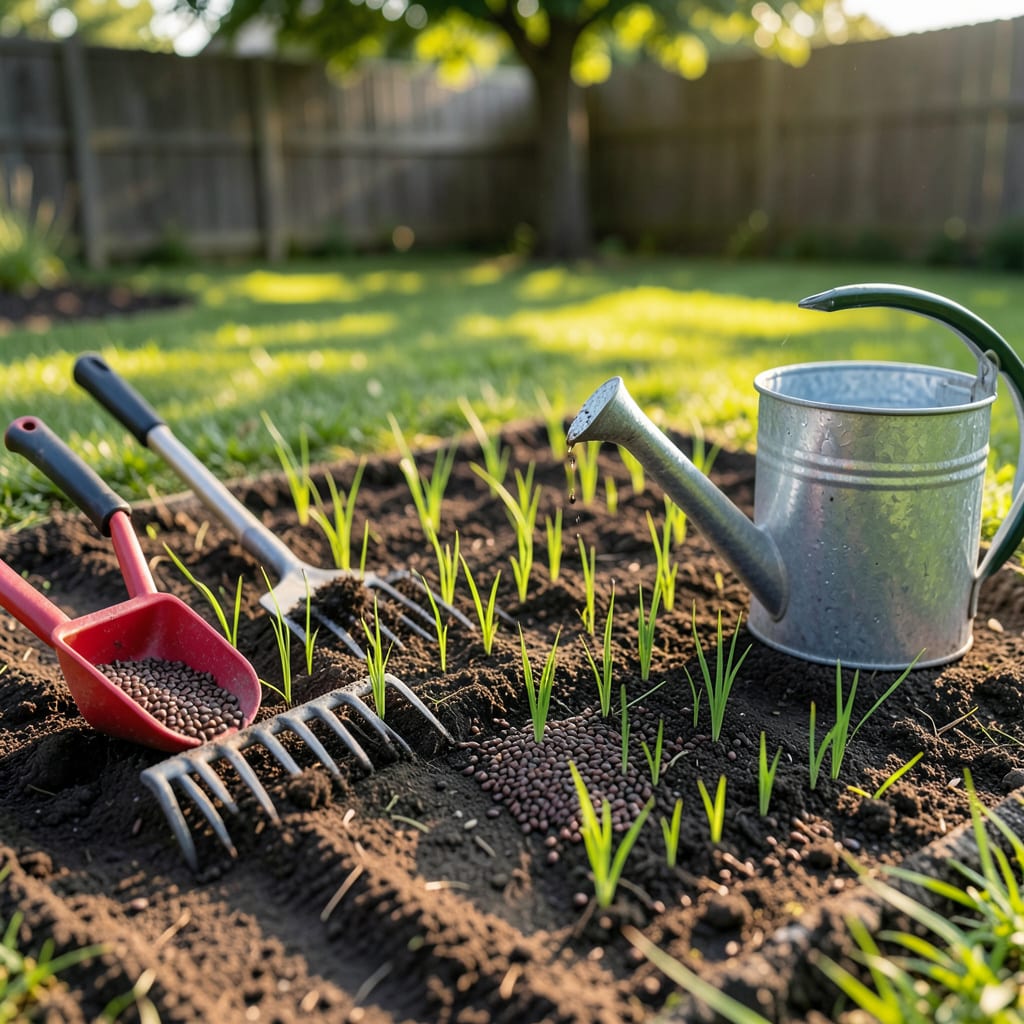
Timing your grass seed planting in South Carolina can mean the difference between a patchy yard and a lush, envy-worthy lawn. Our state’s diverse climate—from the humid Coastal Plain to the cooler Piedmont—demands precise planning that many homeowners overlook.
Whether you’re working with warm-season varieties like Bermuda or cool-season favorites like fescue, I’ll break down the optimal windows and region-specific strategies. You’ll learn exactly when to plant for faster germination and stronger roots, without the guesswork.
If you’ve ever wondered why your neighbor’s lawn looks like a golf course while yours resembles a patchy quilt, timing might be the culprit. In South Carolina, the difference between a thriving lawn and a struggling one often comes down to when you plant. The Piedmont region (upstate) and Coastal Plain (lowcountry) have wildly different climates, and what works in Greenville won’t always fly in Charleston.
For cool-season grasses like Tall Fescue, early fall (September to October) is your golden window—especially in the Piedmont, where cooler nights help seeds germinate without stress. Meanwhile, warm-season grasses such as Bermuda or Zoysia thrive when planted in late spring (April to June), just as soil temperatures hit that sweet spot of 65–70°F. But don’t grab your seed spreader just yet—let’s break it down by region.
| Region | Best Cool-Season Window | Best Warm-Season Window | Soil Temp Threshold | Key Consideration |
|---|---|---|---|---|
| Piedmont (Greenville, Columbia) |
Sept 1–Oct 15 | May 1–June 15 | 50–65°F (cool) 65–70°F (warm) |
Earlier first frost (Oct 15–Nov 1). Plant 6–8 weeks before to establish roots. |
| Coastal Plain (Charleston, Myrtle Beach) |
Oct 1–Nov 15 | April 15–May 30 | 55–70°F (cool) 70–75°F (warm) |
Higher humidity and later frosts (Nov 15–Dec 1). Watch for hurricane season rainfall. |
*Soil temps measured at 2-inch depth. Use a soil thermometer for accuracy.
In the Piedmont, where elevations climb and nights cool faster, Tall Fescue is king—but only if you plant it by mid-October. Miss that window, and you’re battling frost before roots establish. I’ve seen too many homeowners rush to plant in August, only to watch seeds bake in the summer heat. Wait for soil temps to dip below 70°F at night, and you’ll avoid that heartbreak.
Down in the Coastal Plain, the game changes. The longer growing season means you can push warm-season grasses like Centipede or St. Augustine into early June. But beware: hurricane season (June–November) can drown young seedlings. If you’re planting in spring, aim for April 15–May 15 to give roots a fighting chance before the rains hit. And always check the 10-day forecast—no one wants their seed wash away in a tropical storm!
Here’s a pro tip: Soil prep matters more than timing. I don’t care if you’re in Rock Hill or Hilton Head—if your soil is compacted or nutrient-poor, your seeds will struggle. Run a soil test (Clemson Extension offers free kits!) and amend with compost or sand based on your results. For Piedmont’s clay-heavy soil, mix in gypsum to improve drainage. Coastal gardens? Your sandy soil might need extra organic matter to retain moisture.
Watering is where most folks go wrong. In the Piedmont, you’ll need to water daily for the first two weeks (early morning only!) to keep seeds moist. Coastal planters, your humidity helps, but don’t skip the light, frequent watering—aim for ¼ inch per day. Use a rain gauge to track nature’s contribution, and adjust your schedule accordingly. Overwatering is just as deadly as drought, so let the top inch of soil dry between sessions.
Let’s talk frost dates, because they’re non-negotiable. In the Piedmont, the average first frost hits around October 15, so cool-season grasses need to be in the ground by early September to establish before winter. Coastal gardeners get a reprieve—your first frost isn’t until November 15, so you can plant cool-season grasses as late as early November. But don’t cut it too close: seedlings need 4–6 weeks of growth before frost.
If you’re overseeding a warm-season lawn with ryegrass for winter green, timing shifts again. Piedmont folks should seed by October 1; Coastal lawns can wait until October 15. The goal? Get that ryegrass 2 inches tall before the first frost. And here’s a secret: Mow your warm-season grass short (1–1.5 inches) before overseeding to reduce competition. Trust me, your spring lawn will thank you.
Still unsure? When in doubt, fall planting wins in South Carolina. Cooler temps, fewer weeds, and more consistent rainfall make it the low-stress season for grass seed. But if you miss the fall window, early spring (March–April) is your backup—just be ready to battle weeds and heat stress later. And no matter when you plant, keep foot traffic off new lawns for at least 4 weeks
Choosing the right grass for your South Carolina lawn isn’t just about looks—it’s about survival. The Piedmont’s cooler nights and Coastal Plain’s salty humidity demand different species. I’ve seen Bermuda grass thrive in Charleston while Tall Fescue dominates in Greenville. The secret? Matching grass types to your region’s quirks.
Let’s start with the cool-season stars. Tall Fescue is the Piedmont’s MVP—it handles clay soil and cold snaps like a champ. Plant it in September–October for a lawn that stays green until December. Meanwhile, Kentucky Bluegrass (yes, it grows in SC!) needs rich soil and full sun, making it a niche pick for well-prepped yards.
| Grass Type | Best Region | Planting Window | Sun Needs | Drought Tolerance |
|---|---|---|---|---|
| Tall Fescue | Piedmont | Sept–Oct | Full sun to shade | Moderate |
| Bermuda | Coastal | April–June | Full sun | High |
| Zoysia | Both | May–July | Full sun | Very high |
| Centipede | Coastal | April–May | Partial shade | Low |
*Drought tolerance rated for established lawns. New seedlings need consistent moisture.
For warm-season grasses, Bermuda rules the Coastal Plain—it laughs at heat and salt spray. Plant it April–June when soil hits 70°F. But beware: it’s invasive and will creep into flower beds. Zoysia is my pick for low-maintenance lawns—it’s drought-proof once established and thrives in both regions.
If you’ve got shady spots, St. Augustine (Coastal) or Fine Fescue (Piedmont) are your best bets. St. Augustine loves moisture but hates cold, so Coastal gardeners should plant it March–May. Fine Fescue, meanwhile, is the shade tolerant hero for Piedmont yards with mature trees.
Here’s a pro tip: Mix grasses for resilience. I blend Tall Fescue with 10% Kentucky Bluegrass in Piedmont lawns—it fills in bare spots naturally. Coastal lawns? Try 70% Bermuda and 30% Centipede for a balance of drought tolerance and shade adaptability. Just remember: never mix cool and warm-season grasses—they’ll compete and both lose.
Soil prep changes by grass type. Bermuda and Zoysia need sandy loam (amend clay with compost). Centipede thrives in acidic soil (pH 5.0–6.0)—test and adjust with sulfur if needed. For Tall Fescue, focus on organic matter; I till in 2 inches of compost before seeding. And no matter the grass, rake the soil to create a fine, crumbly seedbed.
Watering rules vary too. Bermuda and Zoysia need deep, infrequent watering (1 inch weekly) once established. Centipede and St. Augustine prefer light, frequent drinks (¼ inch every other day). In the first 2 weeks, all grasses need daily misting to keep seeds moist—set your sprinkler for 5–10 minutes, twice daily. Use a soil moisture meter to avoid guesswork.
Mowing heights make or break your lawn. Tall Fescue loves 3–4 inches; Bermuda needs 1–2 inches. Never remove more than ⅓ of the blade at once. And fertilize smart: cool-season grasses get fall feeding (September); warm-season types want summer meals (June–July). Always use a slow-release fertilizer to avoid burning young roots.
Even the best-laid lawn plans can go wrong in South Carolina’s finicky climate. I’ve seen homeowners in Columbia and Charleston make the same avoidable errors—planting too early, skipping soil prep, or drowning seeds in water. These mistakes don’t just delay growth; they can kill your lawn before it starts.
First up: Ignoring frost dates. Planting cool-season grass like Tall Fescue in November? Too late. Warm-season seeds in March? Too early. Piedmont gardeners, your last frost is around April 15—don’t sow warm-season grasses until soil hits 70°F. Coastal folks, your longer season buys extra time, but don’t push it.
Another classic mistake: Planting without soil prep. I’ve dug up more compacted clay in Piedmont yards than I can count. If your soil feels like concrete, your seeds won’t sprout. Aerate first, then mix in 2–3 inches of compost. Coastal gardeners, your sandy soil drains too fast—add peat moss to retain moisture.
Watering wrong is where most SC lawns fail. In the Piedmont, daily light watering (5–10 minutes, twice daily) keeps seeds damp. Coastal humidity helps, but don’t rely on it—morning watering prevents fungal diseases like dollar spot. Pro tip: If puddles form, your soil’s too compacted. Fix it before planting!
Choosing the wrong grass type is a costly error. St. Augustine in the Piedmont? It’ll brown at the first frost. Tall Fescue in Coastal full sun? It’ll burn by July. Always check the sun exposure and traffic tolerance of your pick. When in doubt, Zoysia is a safe bet for both regions—it handles heat, drought, and moderate shade.
Finally, rushing post-planting care ruins months of work. Mow too soon? You’ll uproot seedlings. Fertilize too early? You’ll burn them. Wait until grass reaches 3–4 inches for the first cut, and use a starter fertilizer (low nitrogen) at planting. And never, ever skip the straw mulch—it keeps seeds moist and protects from washing away in SC’s sudden downpours.
For cool-season grasses like Tall Fescue, aim for soil temps between 50–65°F. Warm-season varieties (Bermuda, Zoysia) need 65–75°F to thrive. Use a soil thermometer at 2-inch depth for accuracy.
Summer planting is risky due to heat stress and drought. If you must, choose drought-tolerant Zoysia and water twice daily (early morning/evening). Coastal areas have slightly better success than Piedmont.
Keep kids and pets off for 4–6 weeks minimum. Test readiness by gently tugging grass—if it resists, roots are established. Use straw mulch to protect high-traffic areas during growth.
Skipping the soil test! SC’s clay (Piedmont) and sandy (Coastal) soils often need amendments. Test pH and nutrients (free kits from Clemson Extension), then adjust with lime or sulfur before planting.
Yes—for cool-season grasses. Fall offers cooler temps, fewer weeds, and consistent rainfall. Spring planting works but requires more watering and weed control. Warm-season grasses still need spring/summer planting.
