
Beautiful Plants For Your Interior
Beautiful Plants For Your Interior
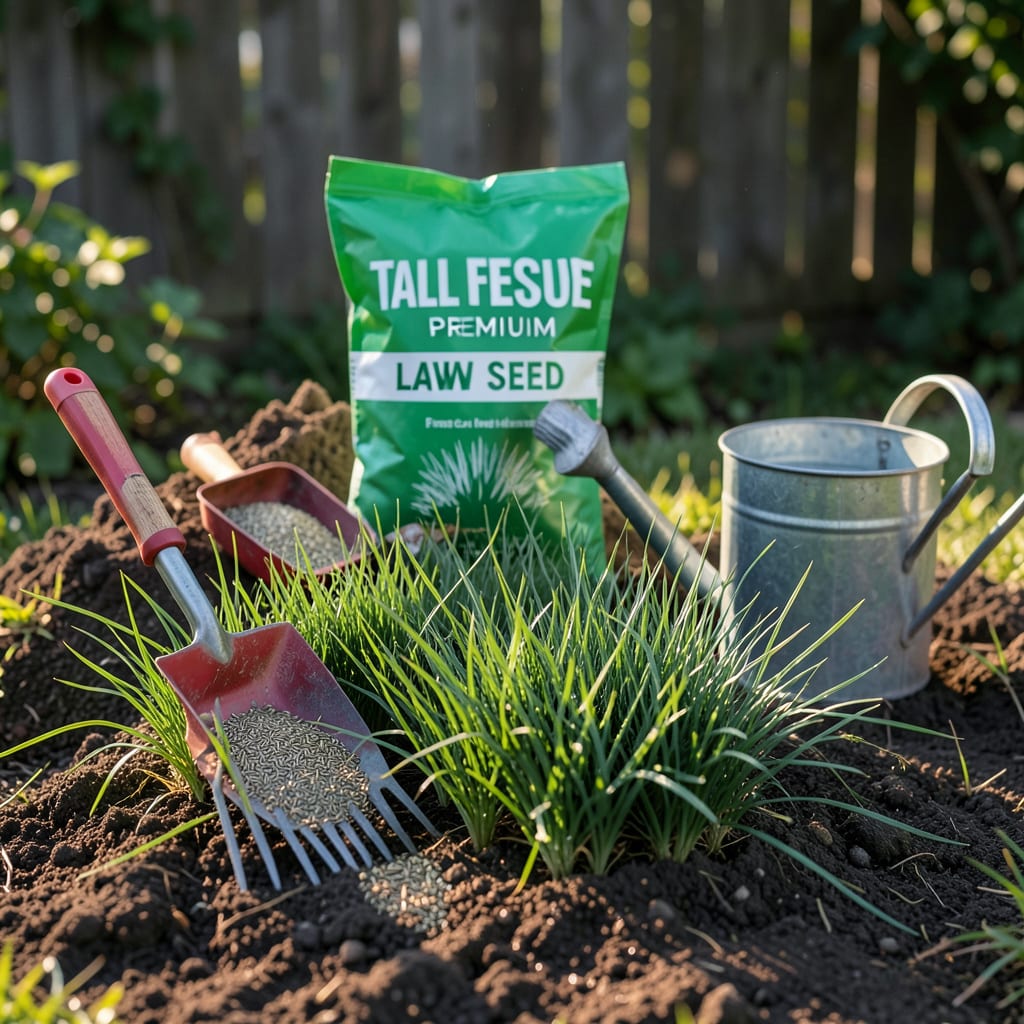
Timing your ✂️ grass seed planting in Northern California can mean the difference between a patchy yard and a lush, green lawn. Plant too late, and winter rains might wash seeds away. Start too early, and summer heat could fry your seedlings before they even sprout.
After years of testing and talking to local experts, I’ve nailed down the exact windows for both cool-season and warm-season grasses in our 9a-10a zones. Whether you’re in foggy San Francisco or the sunbaked Central Valley, this guide will help you get it right the first time.
If you’re dreaming of a lush, green lawn in Northern California, timing your grass seed planting is everything. Our region’s unique Mediterranean climate—with hot, dry summers and mild, wet winters—means you can’t just toss seed anytime and expect success. The key is matching your grass type to the right season.
For cool-season grasses like tall fescue or perennial ryegrass, late summer to early fall (August through October) is ideal. Warm-season varieties like Bermuda or Zoysia thrive when planted in late spring to early summer (May through July). But microclimates matter—what works in foggy San Francisco may flop in Sacramento’s heat.
Why does timing matter so much? Soil temperature is the secret. Cool-season grasses need 50–65°F to germinate, while warm-season types require 70°F+. Plant too early, and seeds may rot in damp soil. Plant too late, and seedlings struggle to establish before winter.
In coastal areas like San Francisco or Marin, fall planting (September–October) works best thanks to mild temperatures and winter rains. But in inland regions (Sacramento, Stockton), spring planting (May–June) avoids summer’s scorching heat. Always check your local last frost date—it varies from February to April!
Pro tip: Test your soil before planting. Northern California soils often lean clay-heavy or alkaline. Amend with compost to improve drainage and nutrient availability. I’ve seen lawns fail because homeowners skipped this step—don’t let that be you!
Watering is another critical factor. New grass seed needs consistent moisture—think light daily watering until germination (7–21 days). Once established, taper to 1–2 deep waterings per week. Overwatering invites fungus, while underwatering stunts growth.
If you’re dealing with drought restrictions, consider drought-tolerant varieties like UC Verde Buffalo Grass or native carex species. They require 30% less water once established and thrive in our climate. Plus, they’re low-maintenance—perfect for busy gardeners!
Still unsure? Watch for nature’s cues. When daytime temps hit 60–75°F and nights stay above 50°F, it’s go time. And remember: evening planting reduces evaporation stress on seeds. Grab your calendar and mark those dates!
One last thing—avoid planting during Santa Ana winds (typically fall). The dry, hot gusts can desiccate tender seedlings. If winds are forecasted, delay planting or use windbreaks like burlap screens to protect your investment.
Now that you’ve got the timing down, you’re ready to transform that patchy yard into a vibrant, healthy lawn. Next up, we’ll dive into soil prep and seeding techniques to ensure every seed counts. Stay tuned for my step-by-step guide!
Now that you know when to plant grass seed in Northern California, let’s talk about how to do it right. Even the perfect timing won’t help if your soil isn’t prepped or your seeding technique is off. I’ve seen too many homeowners skip these steps—only to end up with patchy, weak lawns.
Start with a soil test (kits cost under $20 at garden centers). Northern California soils often need pH adjustments (aim for 6.0–7.0) and organic matter like compost. Till the top 2–3 inches of soil to loosen compacted areas, especially if you’re dealing with heavy clay.
One of the biggest mistakes I see? Overseeding too thickly. Follow the rate on your seed bag—usually 4–6 lbs per 1,000 sq ft for new lawns. Too much seed leads to competition, weak roots, and disease. Use a spreader for even coverage, or mix seed with sand for better visibility.
After planting, avoid foot traffic for at least 4 weeks. New seedlings are fragile! If you must walk on the area, lay down plywood to distribute weight. Mow only when grass reaches 3–4 inches tall, and never remove more than 1/3 of the blade at once.
For drought-prone areas, consider hydroseeding—a slurry of seed, mulch, and water sprayed onto soil. It retains moisture better than dry seeding and is perfect for slopes. Or try native grasses like California fescue, which needs 50% less water than traditional lawns.
Finally, fertilize smartly. Skip heavy feeds at planting—wait until after the first mowing. Use a starter fertilizer (high in phosphorus) to encourage root growth. In Northern California, I recommend a 16-4-8 ratio for established lawns, applied in spring and fall.
Remember: Patience is key. Grass seed can take 7–21 days to germinate, depending on variety and conditions. Resist the urge to overwater or fuss—just keep the soil consistently moist and let nature do its work. Your reward? A thick, green lawn that’s the envy of the neighborhood! ✂️
Northern California’s diverse microclimates mean what works for a lawn in San Francisco might fail in Sacramento. Coastal areas stay cooler with summer fog, while inland valleys bake in 100°F+ heat. These differences dramatically impact grass seed success.
In coastal regions (Zones 9b–10a), cool-season grasses like tall fescue thrive when planted in September–October. The mild winters and summer fog create ideal conditions. But inland (Zones 9a–9b), spring planting (May–June) avoids summer heat stress for warm-season varieties like Bermuda.
Coastal gardeners should watch for poor drainage in heavy clay soils. Amend with compost or sand to prevent waterlogging. Inland lawns face drought stress, so drought-tolerant grasses like UC Verde Buffalo Grass are smart choices.
Both regions must contend with water restrictions. Coastal areas can rely on winter rains, but inland lawns need deep, infrequent watering (1–2x weekly) to build drought-resistant roots. Mulch new seed with straw to retain moisture and reduce evaporation.
For shady yards (common in coastal areas), fine fescue or creeping red fescue performs best. Inland sunbaked lawns? Bermuda or Zoysia handle the heat. Always match your grass to your specific light conditions for best results.
Pro tip: Test your soil’s pH—coastal soils tend to be acidic, while inland areas often have alkaline soil. Adjust with lime or sulfur as needed before planting. This small step prevents nutrient lockout and ensures strong germination.
✂️Cool-season grasses like tall fescue or perennial ryegrass thrive in coastal climates. They handle foggy summers and mild winters better than warm-season varieties. Plant them in September–October for best results.
Winter planting isn’t ideal, but dormant seeding in December–January can work for cool-season grasses. Seeds lie dormant until spring warmth triggers germination. Avoid this in frost-prone inland areas—coastal zones only.
Keep soil consistently moist with light daily watering until germination (7–21 days). After that, shift to deep watering 1–2 times per week. Early morning is best to reduce evaporation and fungal risks.
Skipping soil prep! Northern California’s clay-heavy soils need amending with compost. Also, avoid overseeding—stick to 4–6 lbs per 1,000 sq ft. Too much seed leads to weak, crowded grass.
Try UC Verde Buffalo Grass or native carex species. They need 30% less water once established and thrive in our Mediterranean climate. Perfect for busy or eco-conscious gardeners.
