
Beautiful Plants For Your Interior
Beautiful Plants For Your Interior
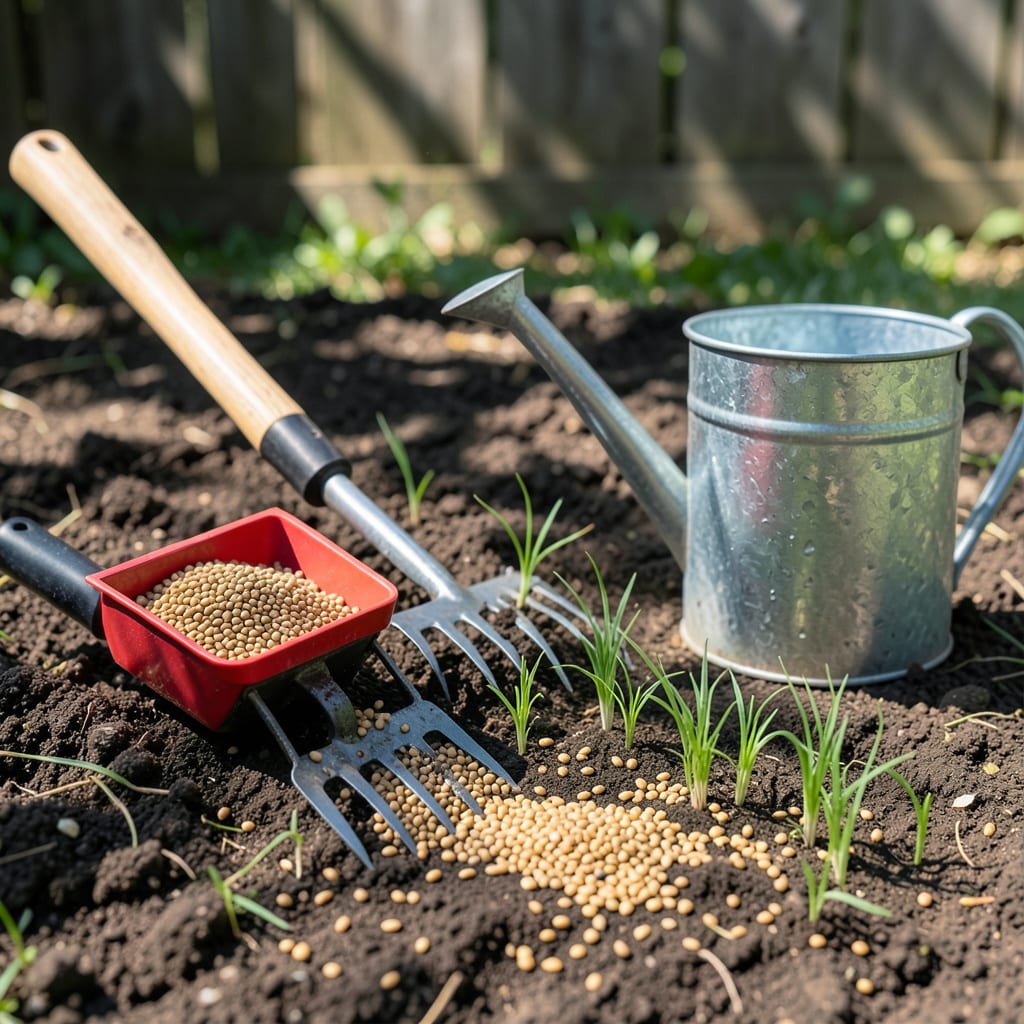
Timing your ✂️ Grass planting in North Texas can mean the difference between a patchy yard and a lush, green lawn. Plant too late, and the summer heat will bake your seedlings before they even sprout.
After years of testing what works in our USDA Zone 8a climate, I’ve pinpointed the exact windows for success. Whether you’re starting fresh or overseeding, I’ll show you how to sync with North Texas’s seasons—so your lawn thrives, not just survives.
If you’re dreaming of a lush, green lawn in North Texas, timing your grass seed planting is absolutely critical. Our region’s USDA zones 7b-8a bring unique challenges—scorching summers, unpredictable freezes, and that infamous clay soil. Plant too early, and late frost might wipe out your seedlings. Wait too long, and the Texas heat will bake them before they establish.
The secret? Match your planting window to your grass type. Warm-season grasses like Bermuda and Zoysia thrive when planted in late spring, while cool-season varieties like Tall Fescue and Ryegrass perform best in early fall. Let’s break down the ideal timing for each type so you can avoid costly mistakes.
| Grass Type | Best Planting Months | Soil Temp Range | Water Needs |
|---|---|---|---|
| Bermuda | March–May | 65°F–70°F | High (daily until established) |
| Zoysia | April–June | 60°F–65°F | Medium (deep 2x/week) |
| St. Augustine | April–July | 70°F–75°F | High (shallow roots need moisture) |
| Tall Fescue | September–October | 50°F–65°F | Medium (1″ per week) |
| Ryegrass | October–November | 50°F–55°F | Low (supplemental only) |
Pro Tip: For overseeding, plant Ryegrass in early October to protect Bermuda through winter. Avoid planting warm-season grasses after July 15—they won’t establish before dormancy.
For warm-season grasses like Bermuda or Zoysia, I always recommend planting between March 15 and June 1. This gives roots time to establish before the 100°F summer heat hits. Soil temps should be consistently above 60°F—use a soil thermometer to check! If you’re planting sod, you can push this window slightly later, but seed needs more time to germinate.
Cool-season grasses are a different story. Tall Fescue and Ryegrass thrive when planted in September or October. Aim for 4–6 weeks before the first frost (around November 15 in most of North Texas). This timing lets roots develop without summer stress. I’ve seen Fescue planted in August struggle with heat, while October plantings often outperform due to milder temps.
If you’re in the DFW metroplex, watch for urban heat islands—concrete and asphalt can make your yard 5–10°F warmer than rural areas. Adjust planting 1–2 weeks earlier in spring or later in fall to compensate. For rural North Texas, follow the standard windows but monitor soil moisture closely—clay soil drains poorly and can drown seedlings if overwatered.
Here’s my golden rule for North Texas lawns: Fall planting beats spring almost every time. Cool temps and autumn rains reduce watering needs, and roots grow deep before winter. Spring plantings often battle weeds and drought stress by June. The exception? Bermuda seed, which needs warm soil to germinate and does best in late spring.
For overseeding, timing is even more critical. Plant Ryegrass over Bermuda in early October—any later, and it won’t establish before winter. Come spring, the Rye will die out as Bermuda wakes up. If you’re overseeding Fescue into thin areas, September 15–30 is ideal. Always mow low before overseeding and rake vigorously to ensure seed-to-soil contact.
No matter the grass type, soil prep is non-negotiable in North Texas. Our clay-heavy soil compacts easily, suffocating new roots. Before planting, aerate to improve drainage, then top-dress with 1/4 inch of compost. A starter fertilizer (like 16-4-8) helps, but avoid weed-and-feed products—they’ll kill your new seedlings. Water lightly daily until germination, then shift to deep, infrequent watering to encourage root growth.
Finally, watch the 10-day forecast before planting. If temps will spike above 90°F or drop below 40°F, delay seeding. Ideal conditions are mild days (70s°F) and cool nights (50s°F). And remember: North Texas frost dates vary—urban areas often have later first frosts than rural zones, so adjust accordingly. When in doubt, soil temperature trumps calendar dates!
Still unsure? Grab a soil thermometer (they’re cheap!) and
Getting your grass seed timing right in North Texas means working with our unpredictable seasons—not against them. I’ve found that breaking the year into monthly action steps takes the guesswork out of lawn care. Whether you’re planting Bermuda in spring or Fescue in fall, this calendar keeps you on track.
Remember, our USDA Zone 8a climate means we deal with hot summers and mild winters, but the real challenge is those sudden temperature swings. The key is preparing your soil before your target planting window and adjusting watering as seasons change. Let’s walk through what to do each month for a lawn that thrives year-round.
Critical Note: Adjust for microclimates—DFW urban areas may need tasks 1–2 weeks earlier than rural zones.
In early spring (March–April), focus on soil prep before planting. Our clay soil needs aeration to prevent compaction. I use a core aerator to pull 2–3″ plugs, then top-dress with 1/4″ compost. For warm-season grasses, plant after soil temps hit 60°F (usually mid-March). Bermuda seed germinates best at 65–70°F, so wait until late March in most areas.
Summer (June–August) is all about survival mode. New lawns need daily watering for the first 2 weeks, then deep watering 2x/week. I set my sprinkler for 1/2″ per session to encourage deep roots. Avoid fertilizing during peak heat—it burns grass. Instead, apply iron supplement if your lawn looks yellow but isn’t growing. Watch for brown patch fungus in St. Augustine; treat with fungicide at first signs.
For fall planting (September–October), timing is everything. I aim to plant 6 weeks before first frost (around November 15). This gives roots time to establish before winter. Tall Fescue does best planted September 1–15, while Ryegrass can go in until late October. Always rake dead debris first and use a seed-to-soil contact tool like a lawn roller for even germination.
Winter (November–February) is for protection and planning. Reduce watering to every 2–3 weeks unless we get no rain. Apply winterizer fertilizer (high in potassium) in early November to strengthen roots. Avoid heavy foot traffic on dormant lawns—it compacts soil. Use this time to test soil pH and plan spring improvements. I like to spread compost in December; it’ll break down by spring planting.
Here’s my pro tip for North Texas lawns: Fall is your secret weapon. Cool-season grasses planted in September often outperform spring plantings because they face less weed competition and drought stress. Even warm-season grasses benefit from fall overseeding with Ryegrass to maintain green color through winter. Just
No matter the season, always check the 10-day forecast before planting. If nighttime temps will drop below 50°F or daytime highs exceed 90°F, delay seeding. Our North Texas microclimates vary—what works in Denton might need adjustment in McKinney. When in doubt, let soil temperature (not just air temp) guide your timing. A $10 soil thermometer is the best investment you’ll make for your lawn! 🌱
Planting grass seed in North Texas seems straightforward—until you watch your new seedlings fry in the summer heat or drown in clay soil. After helping dozens of neighbors rescue their lawns, I’ve seen the same mistakes repeat year after year. The good news? Most failures come from just a few preventable errors.
Our USDA Zone 8a climate forgives some missteps, but timing and technique matter. Whether you’re planting Bermuda in spring or Fescue in fall, avoiding these pitfalls will save you time, money, and frustration. Let’s dive into the most common mistakes—and how to fix them.
Quick Fix: If your lawn’s struggling, rake out dead patches, re-seed, and cover with 1/4″ peat moss to retain moisture.
The biggest mistake I see? Planting at the wrong time. North Texas gardeners often plant cool-season grasses like Fescue in spring, only to watch them burn up by July. These grasses need fall planting (September–October) to establish before summer. Conversely, Bermuda seed planted in October won’t germinate—it needs soil temps above 65°F, which we only hit in late spring.
Another lawn killer is skipping soil prep. Our heavy clay soil compacts easily, smothering new roots. Before planting, aerate to improve drainage, then top-dress with 1/4–1/2 inch of compost. I’ve rescued lawns by simply adding sand to break up clay—just mix it into the top 2 inches before seeding. A soil test ($15 at your local extension office) reveals if you need lime (for acidic soil) or sulfur (for alkaline soil).
Overwatering is another common issue. New seedlings need consistent moisture, but daily light watering leads to weak roots. Instead, water deeply 2–3 times per week (1/2 inch per session) to encourage roots to grow downward. Use a rain gauge to track moisture—our North Texas clay holds water longer than sandy soil, so adjust accordingly. If puddles form, you’re watering too much!
Finally, seed depth and post-planting care trip up many gardeners. Grass seed needs light to germinate, so don’t bury it. Spread seed, then lightly rake so it’s just covered by soil (about 1/4 inch deep). After planting, keep the area moist for 2–3 weeks until germination. Avoid walking on new seedbeds—foot traffic compacts soil and kills tender sprouts. If birds are stealing seed, cover with straw mulch or bird netting until germination.
Remember: North Texas lawns thrive on consistency. Once your grass is 2–3 inches tall, mow high (3–4 inches for Fescue, 1–2 inches for Bermuda) to encourage deep roots. Fertilize 6–8 weeks after planting with a starter formula (like 16-4-8), but never use weed-and-feed on new lawns—it’ll kill your grass before it establishes. With the right timing and care, you’ll have a lawn that’s the envy of the neighborhood! 🌿
For warm-season grasses like Bermuda, aim for 65–70°F soil temps. Cool-season varieties prefer 50–65°F. Use a soil thermometer to check—it’s more reliable than air temperature.
It’s risky! Summer heat above 90°F stresses seedlings. If you must, choose heat-tolerant Bermuda and water 2x daily for the first 2 weeks. Early morning planting helps reduce heat shock.
Keep soil consistently moist but not soggy. Water lightly daily until germination (7–14 days), then shift to deep watering 2–3x weekly. Use a rain gauge to track 1 inch total per week.
St. Augustine handles partial shade best, needing only 4–6 hours of sun. For denser shade, mix with fine fescue (20% of seed blend). Avoid Bermuda—it requires full sun to thrive.
Rake bare spots, add 1/4 inch compost, and re-seed. Cover with peat moss to retain moisture. Ensure good seed-to-soil contact by pressing lightly with a lawn roller. Avoid walking on new areas for 3 weeks.
